
Out of the BoxBambino Plus
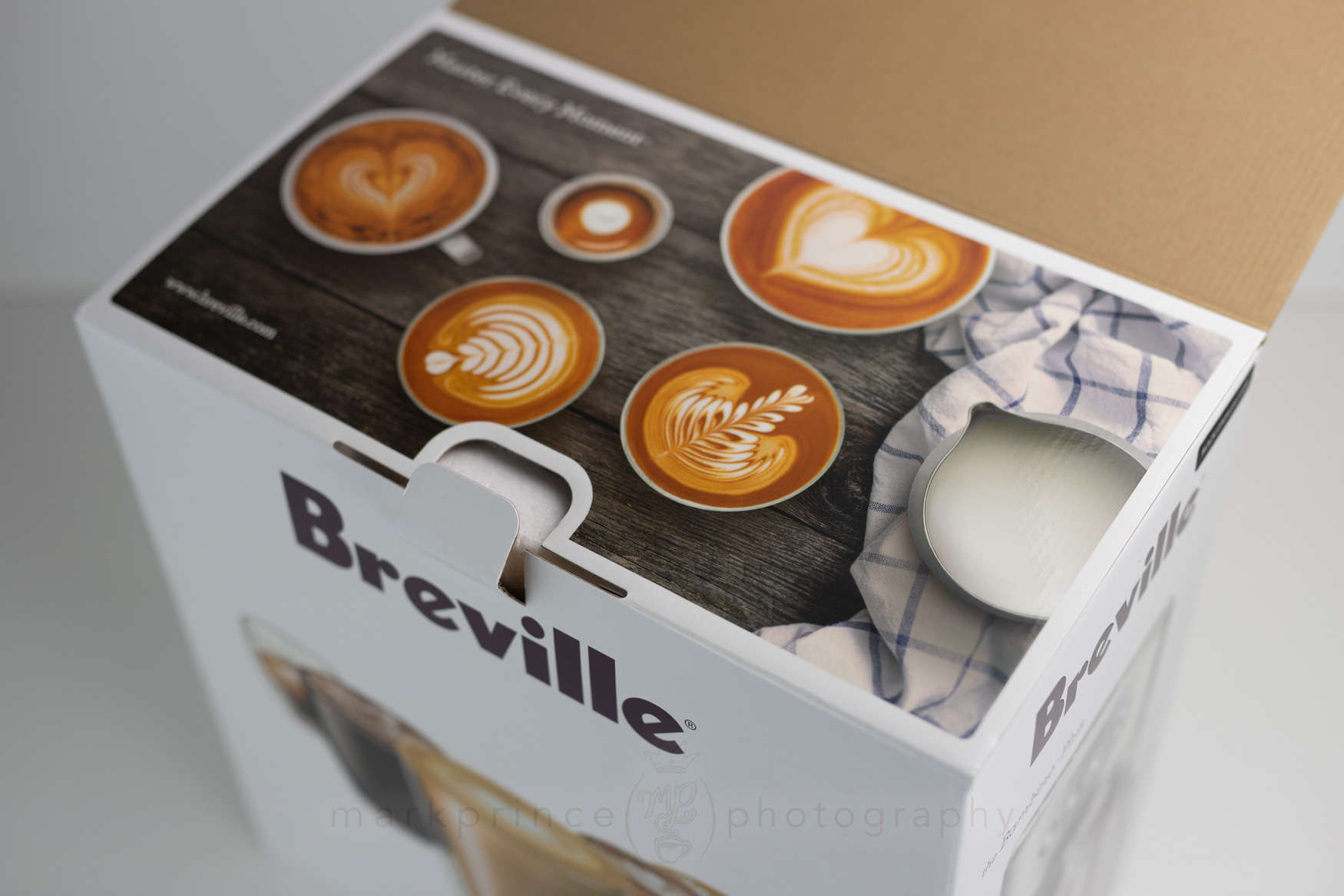
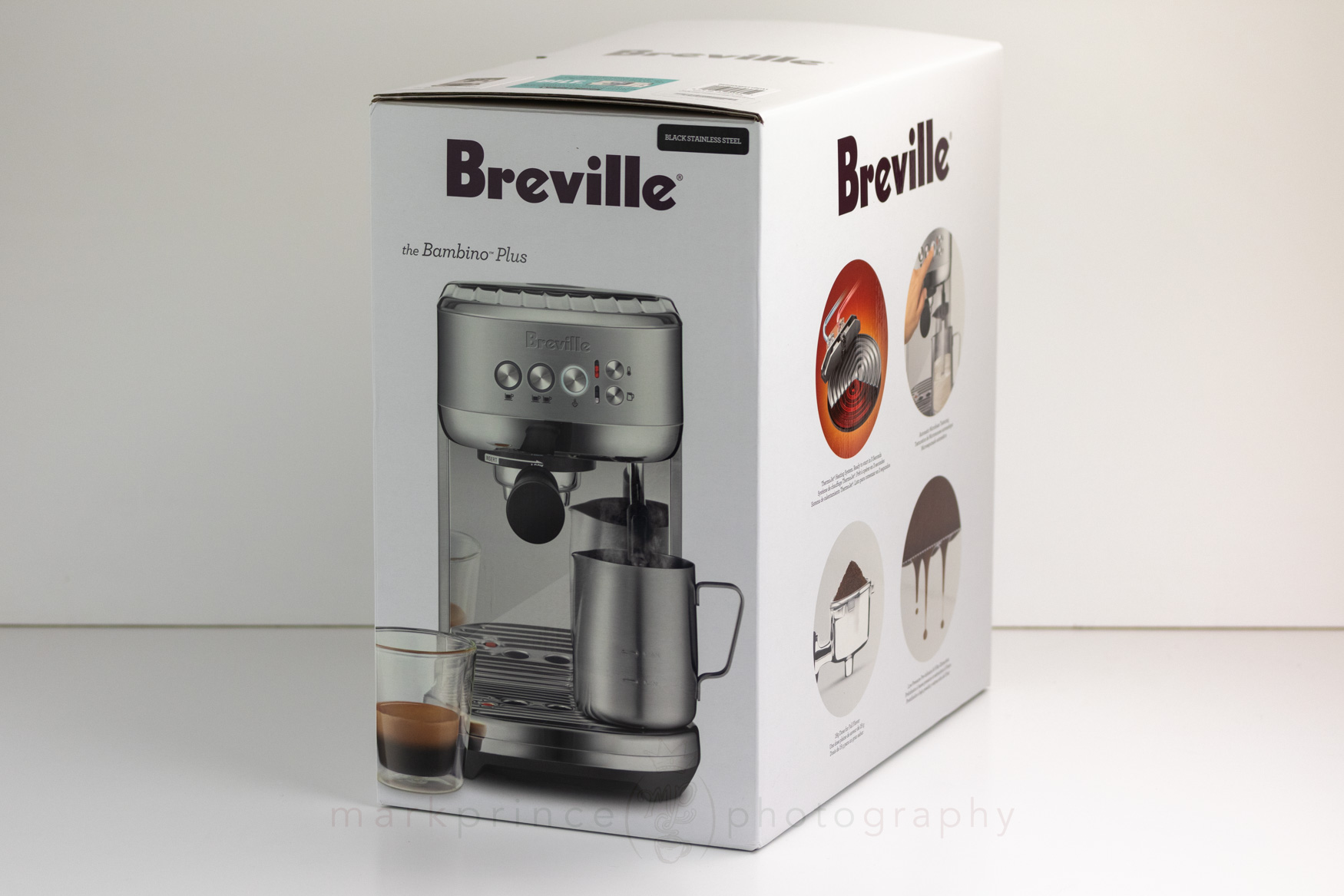
Before we even take the Breville Bambino Plus out of it’s box, let’s talk about the box at bit.
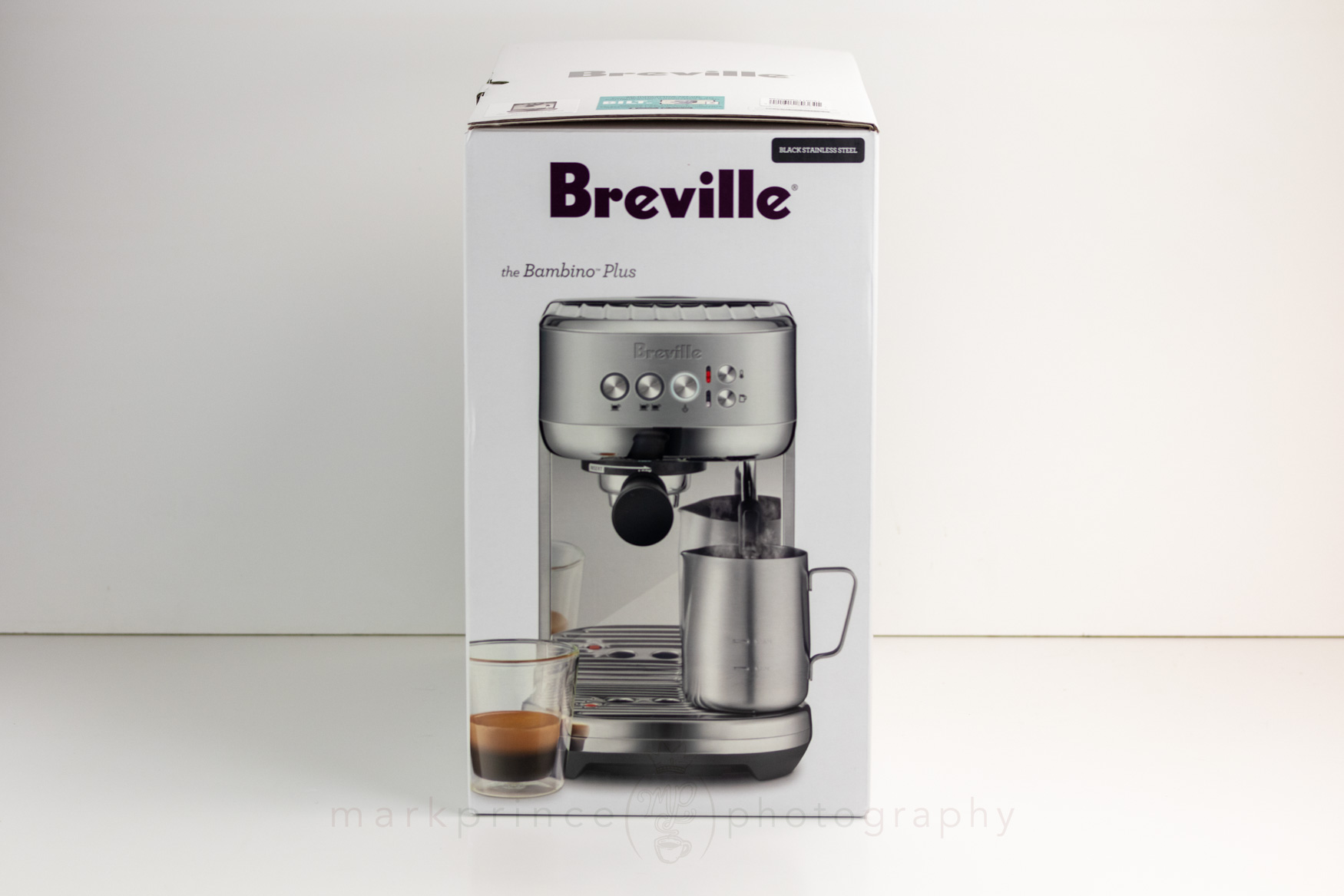
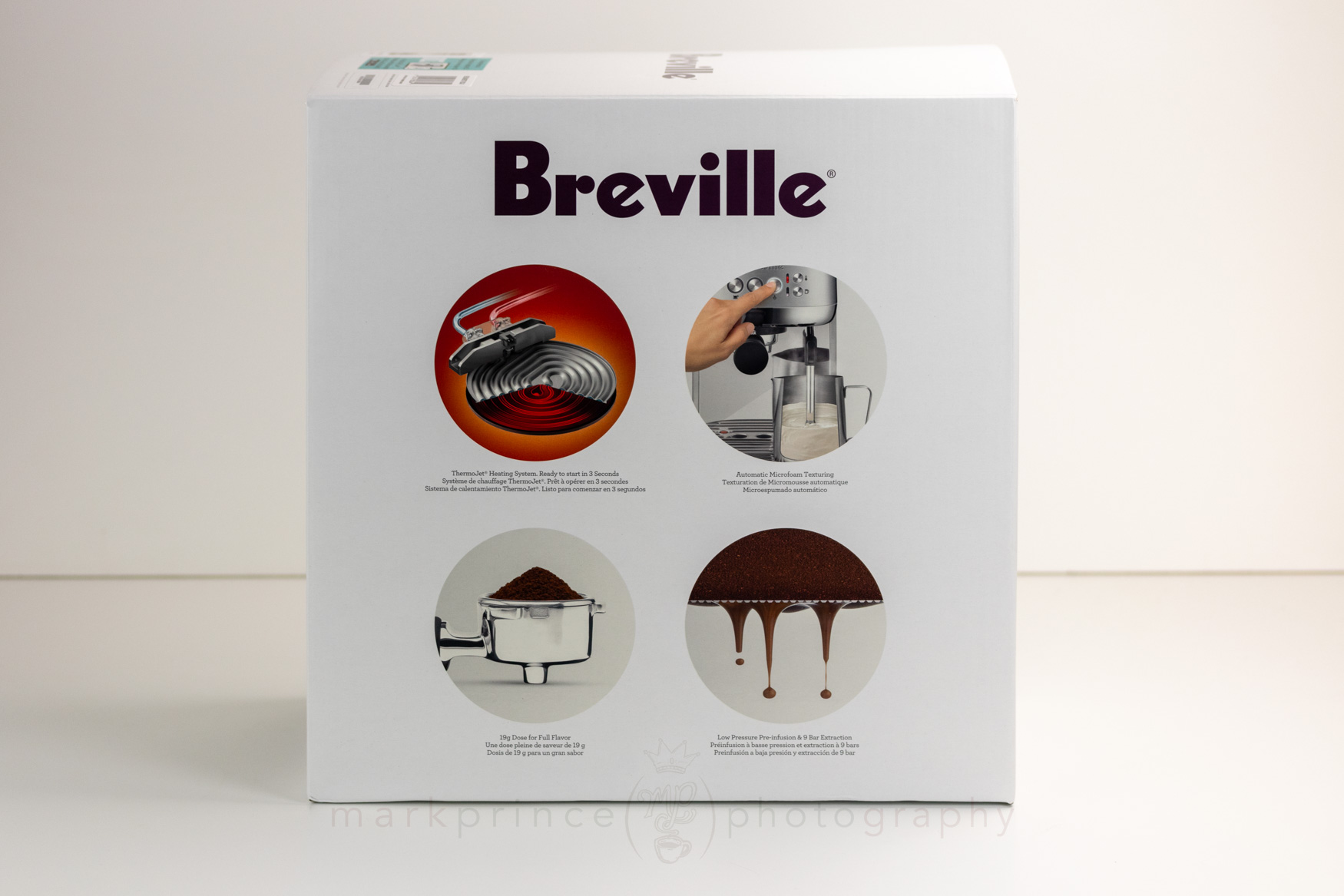
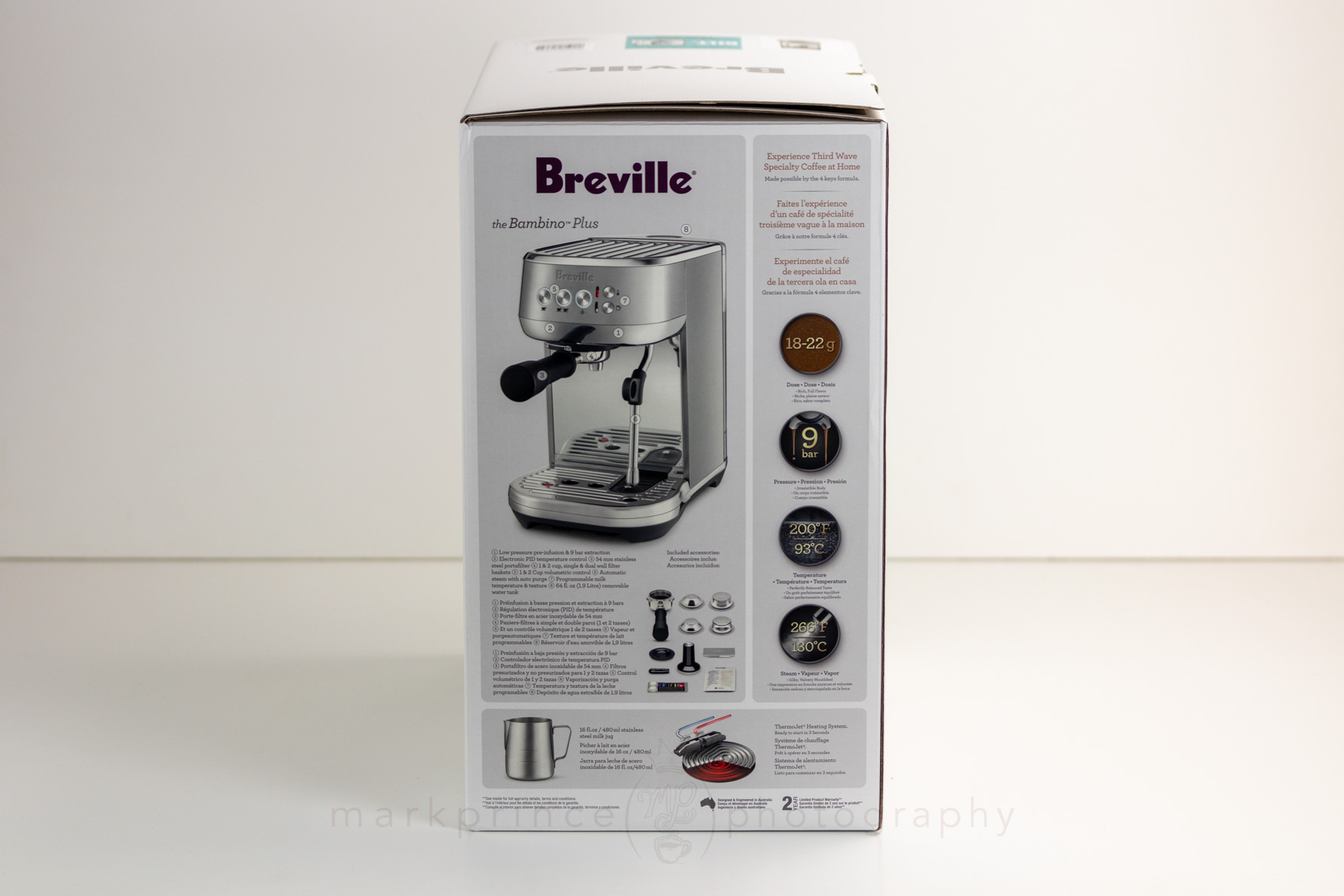
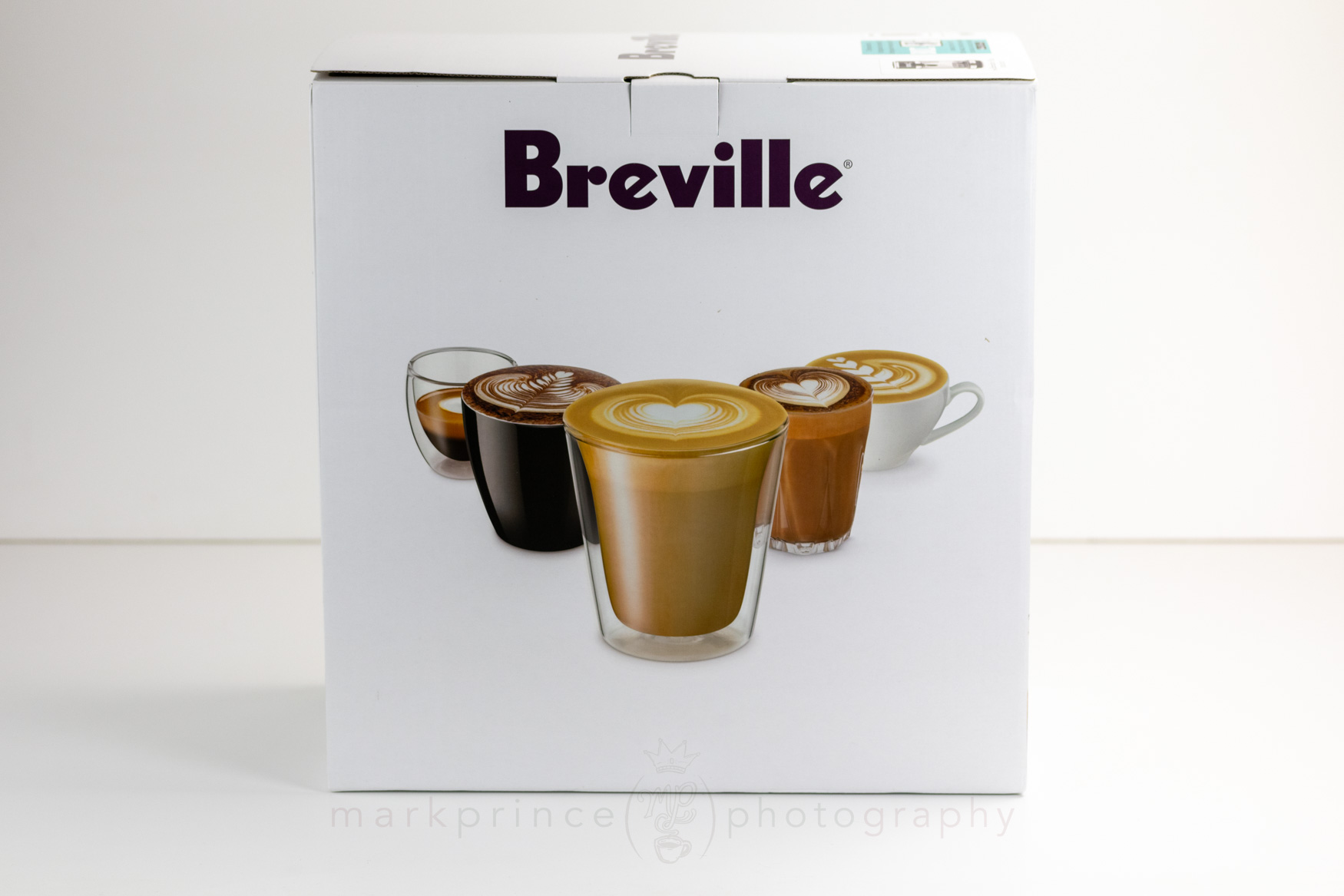
Breville’s main goal with this new machine was to produce the world’s smallest, full featured espresso machine for the home. With features stuffed inside that you couldn’t believe for such a small footprint. And Breville’s box really drives this point home: the main machine photos aren’t on the front, wide panel of the box, but on its sides, to emphasize the svelte nature of the machine. The front main panel has pictures of various espresso based beverages, and the back panel features some machine highlights.
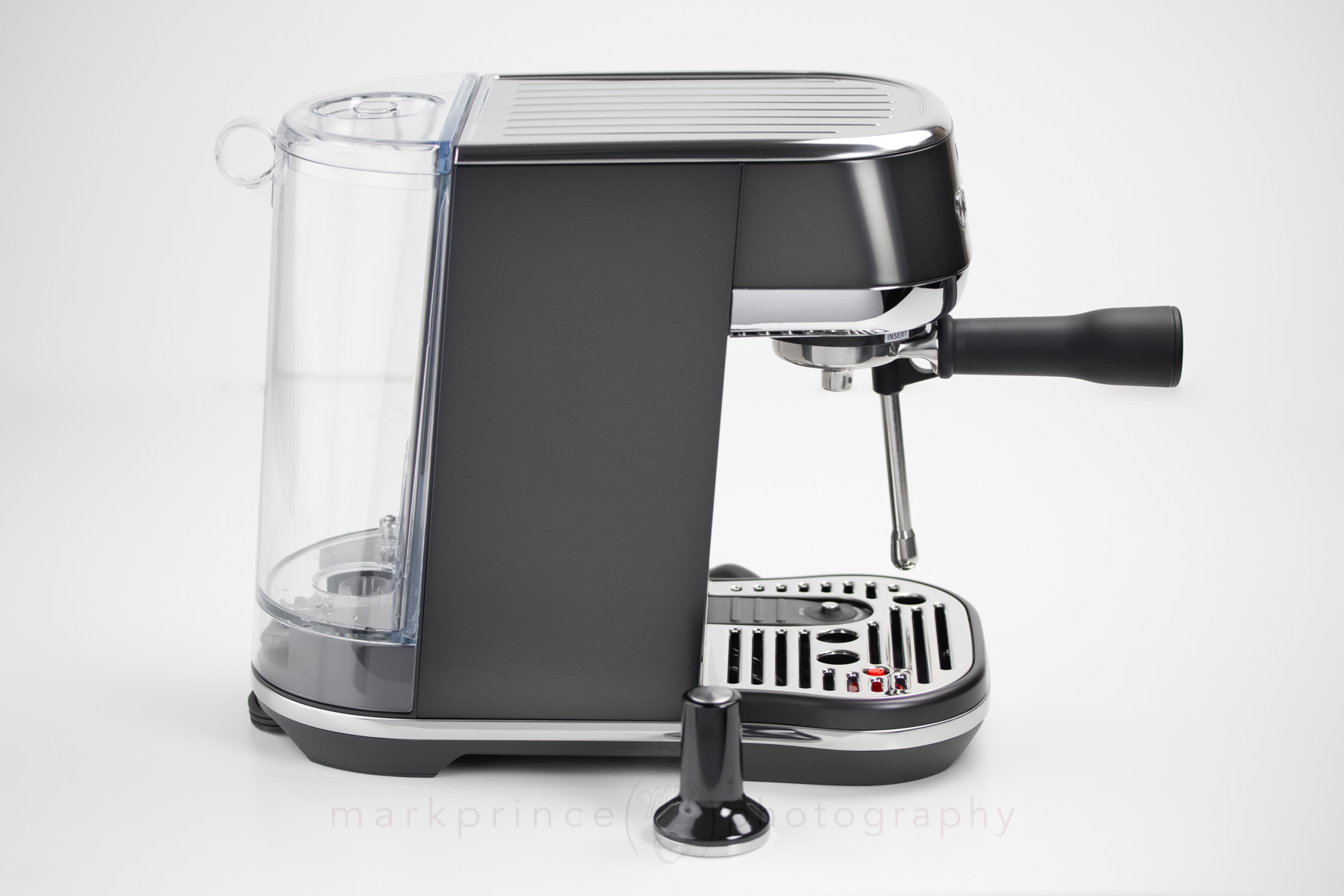
The dimensions of the machine are 19cm wide (7.5″), 31cm tall (just over a foot), and 35cm deep (13.75″, not including the portafilter) front to back. That is tiny.
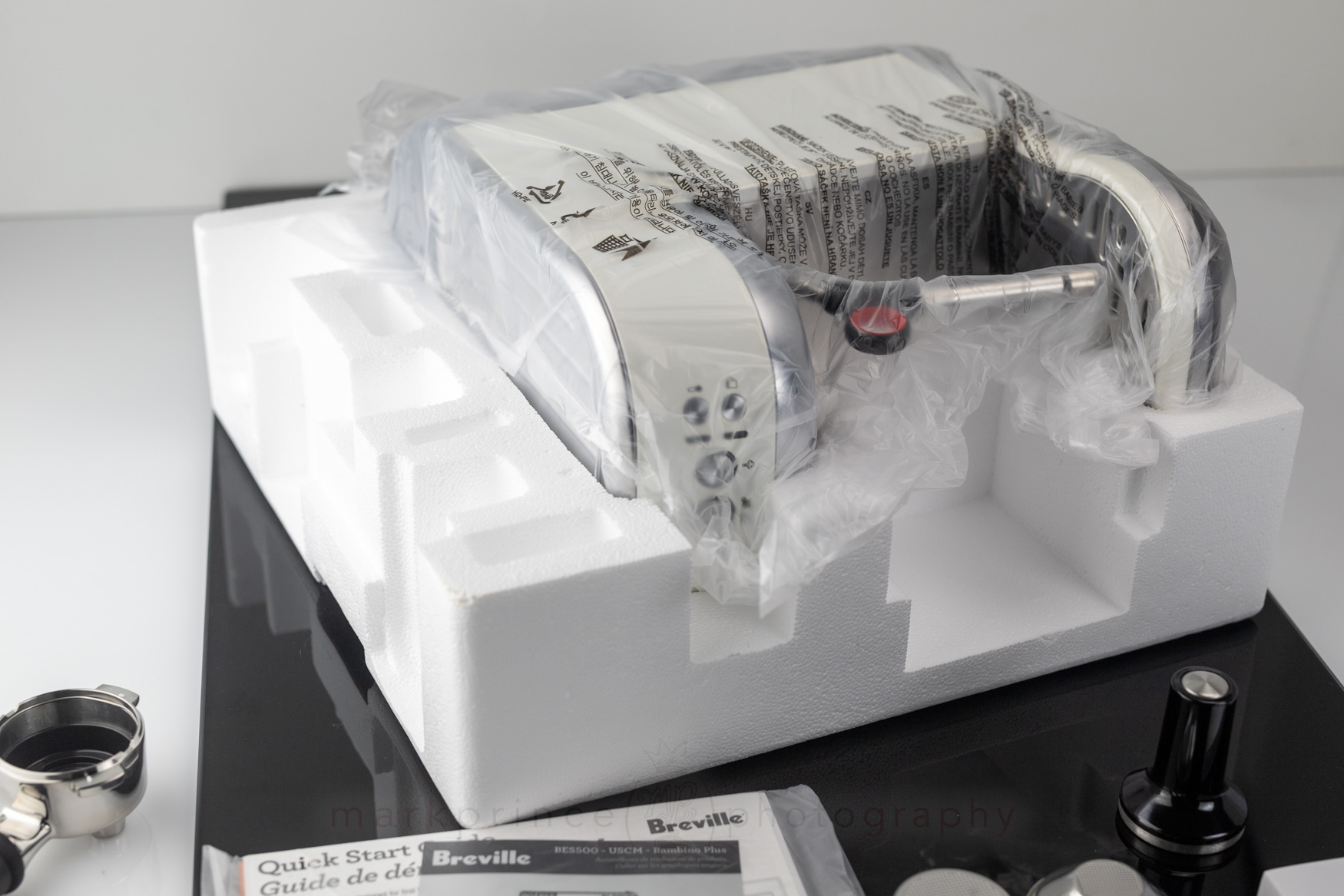
The Bambino Plus isn’t just tiny; it isn’t very heavy either: the entire shipping box (2x boxes) is just 7.5kg; the machine itself clocks in at 5.5kg (12.1lb). You notice this when starting to unpack.
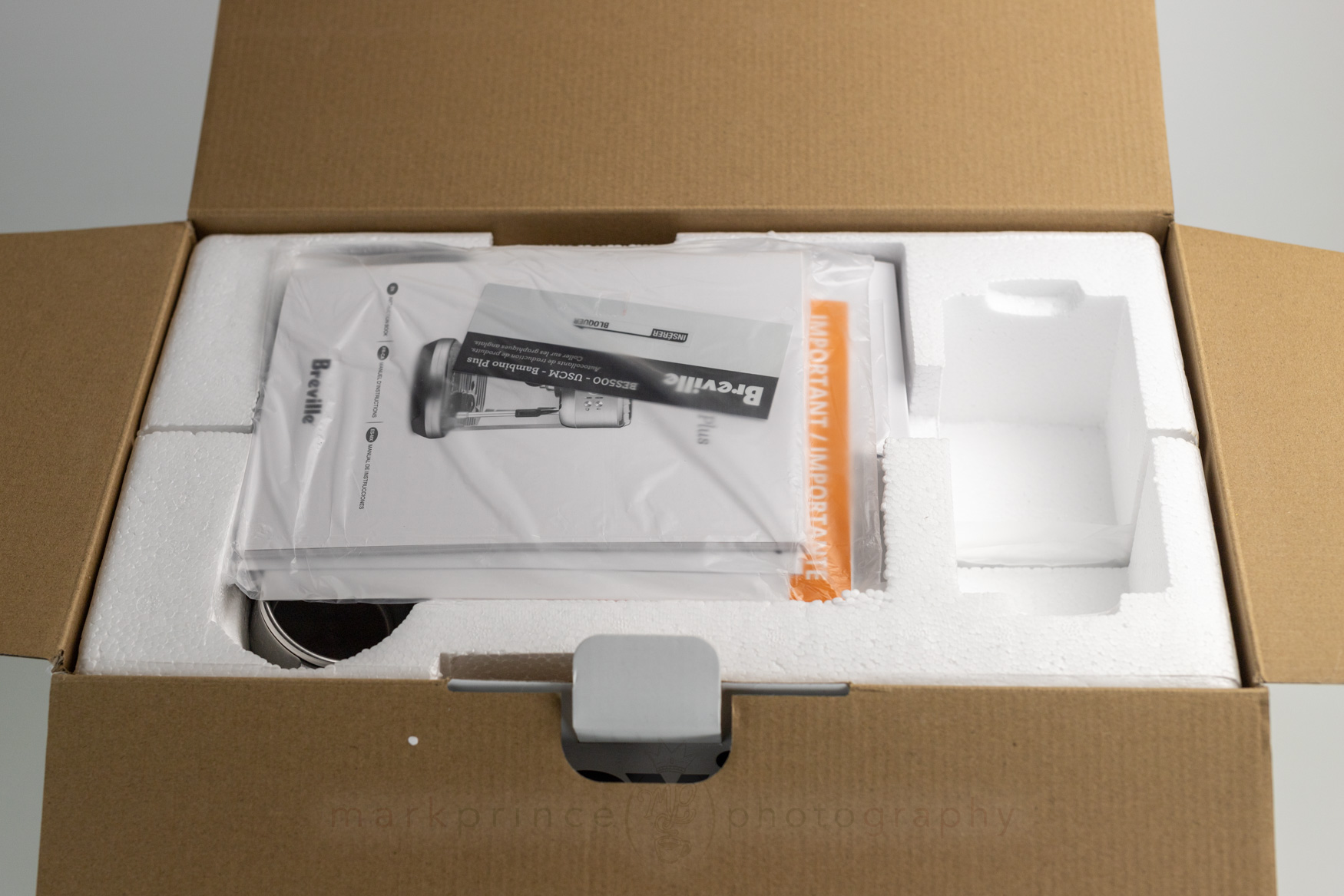
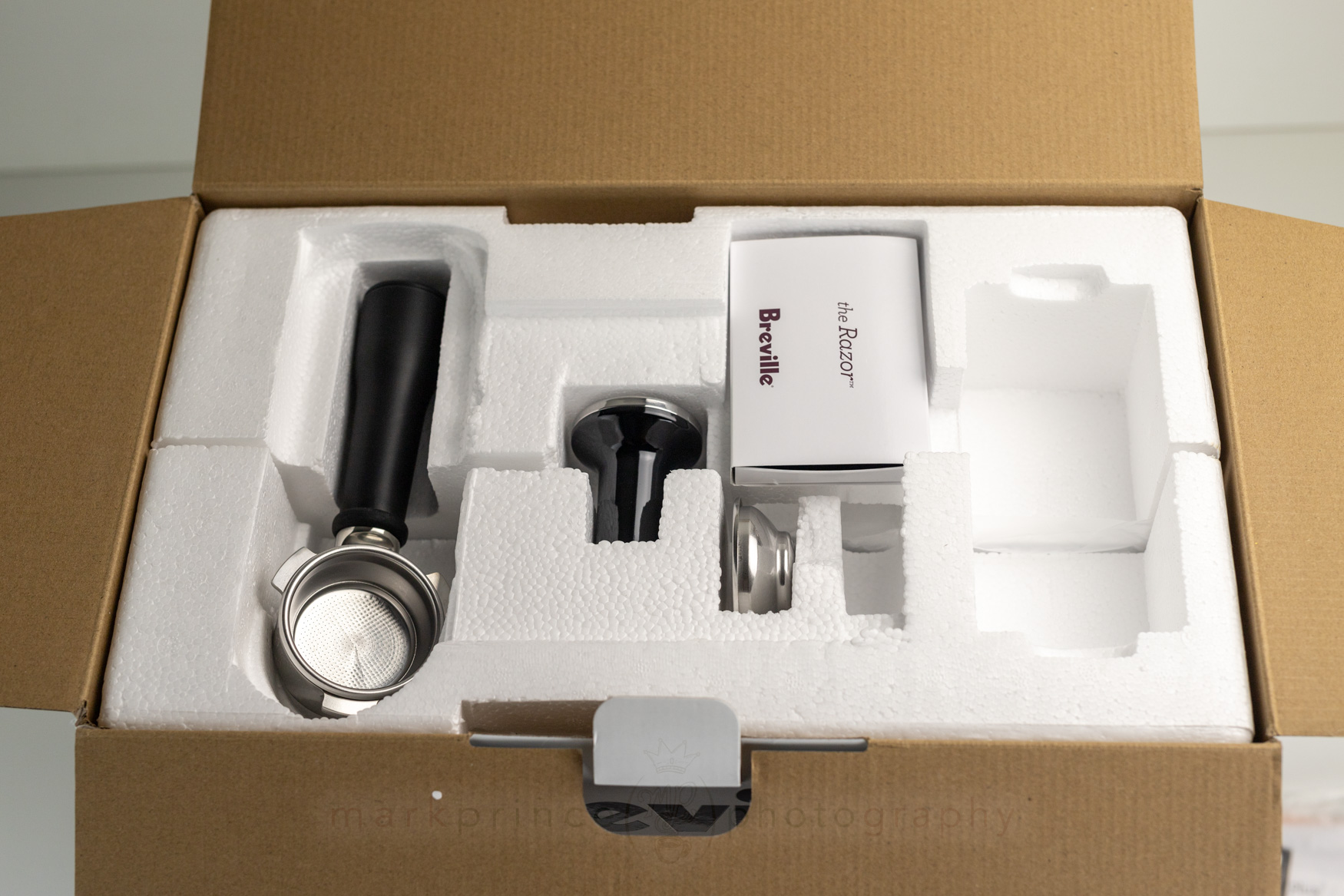
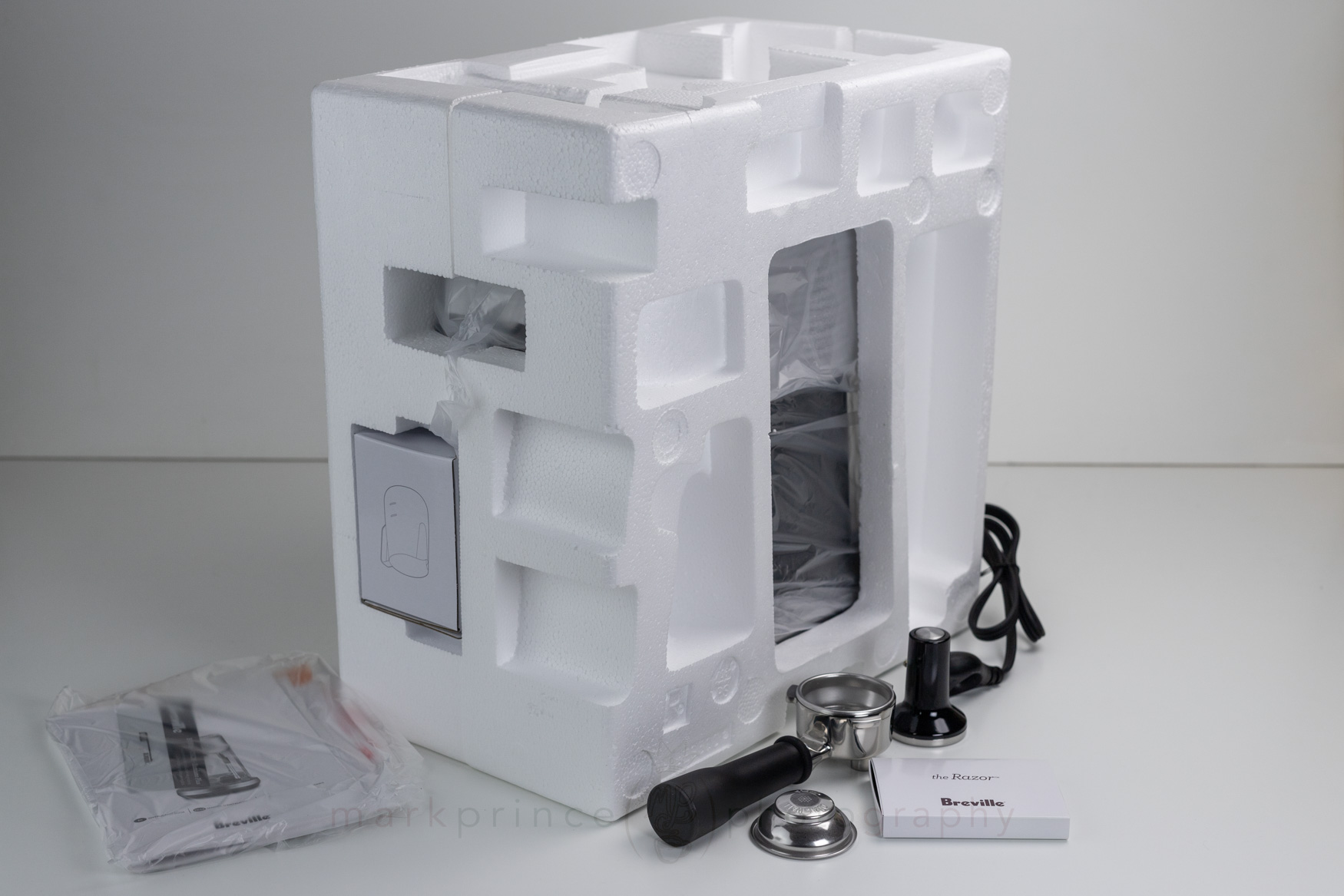
One thing Breville has not done with this machine is upgrade the packaging since 2018. Today, just as back then, the Bambino Plus ships in a cocoon of styrofoam. We really want every product manufacturer in the specialty coffee space to move away from these environmentally unfriendly packing materials. Baratza, now owned by Breville, did so nearly half a decade ago. Even Rancilio ships their machines (the Silvia and Silvia Pro X) with recyclable, renewable materials. It’s time for Breville to do the same.
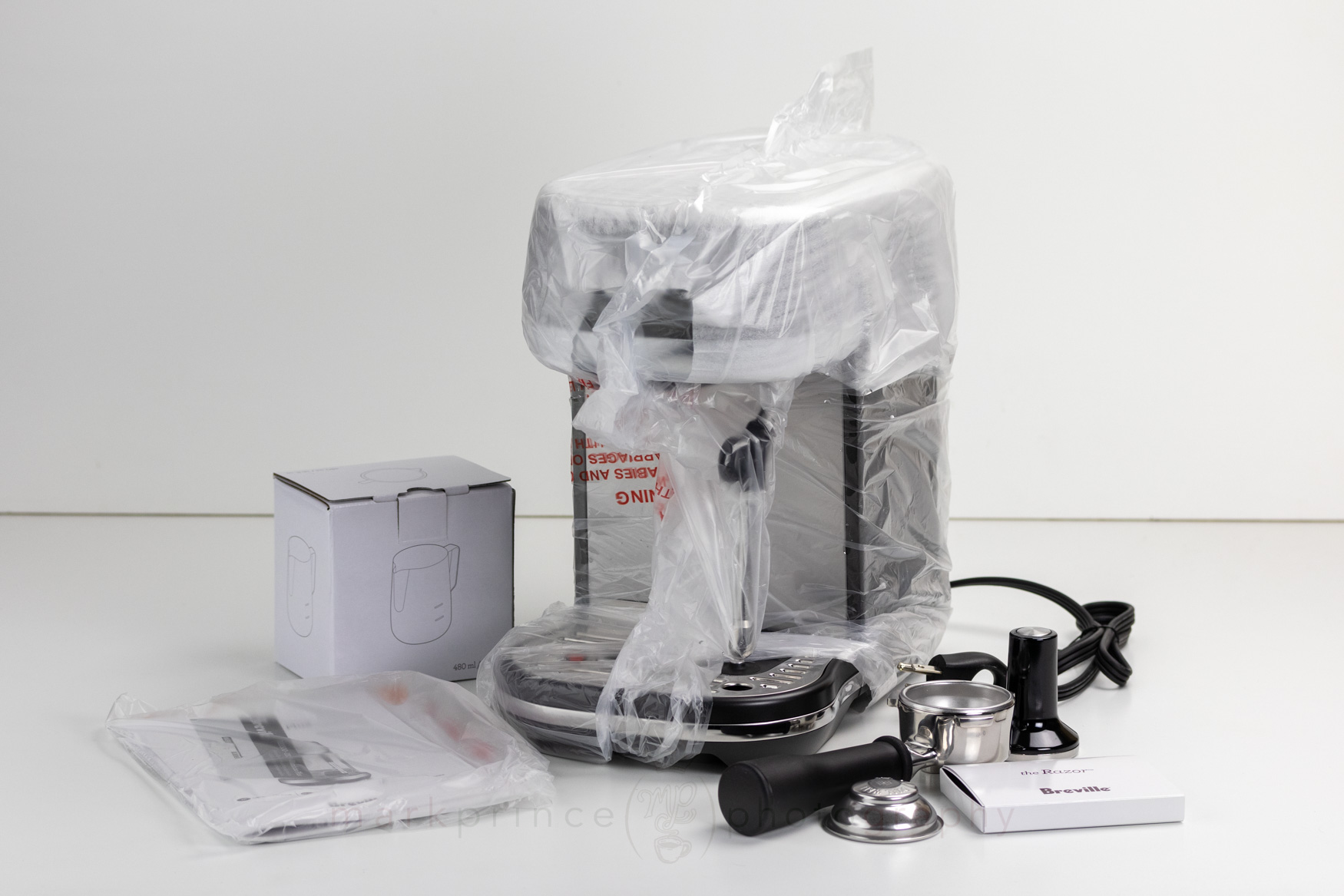
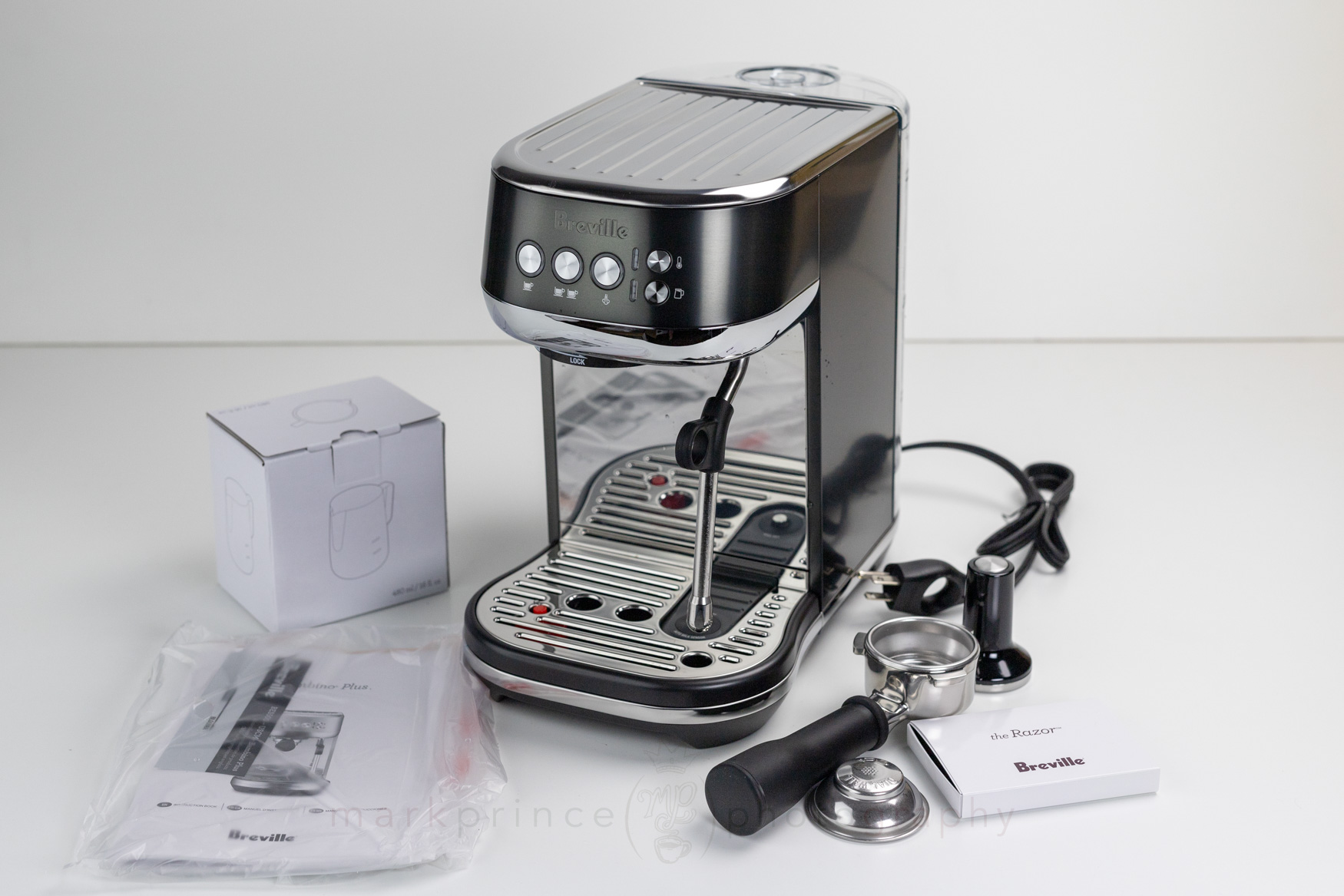
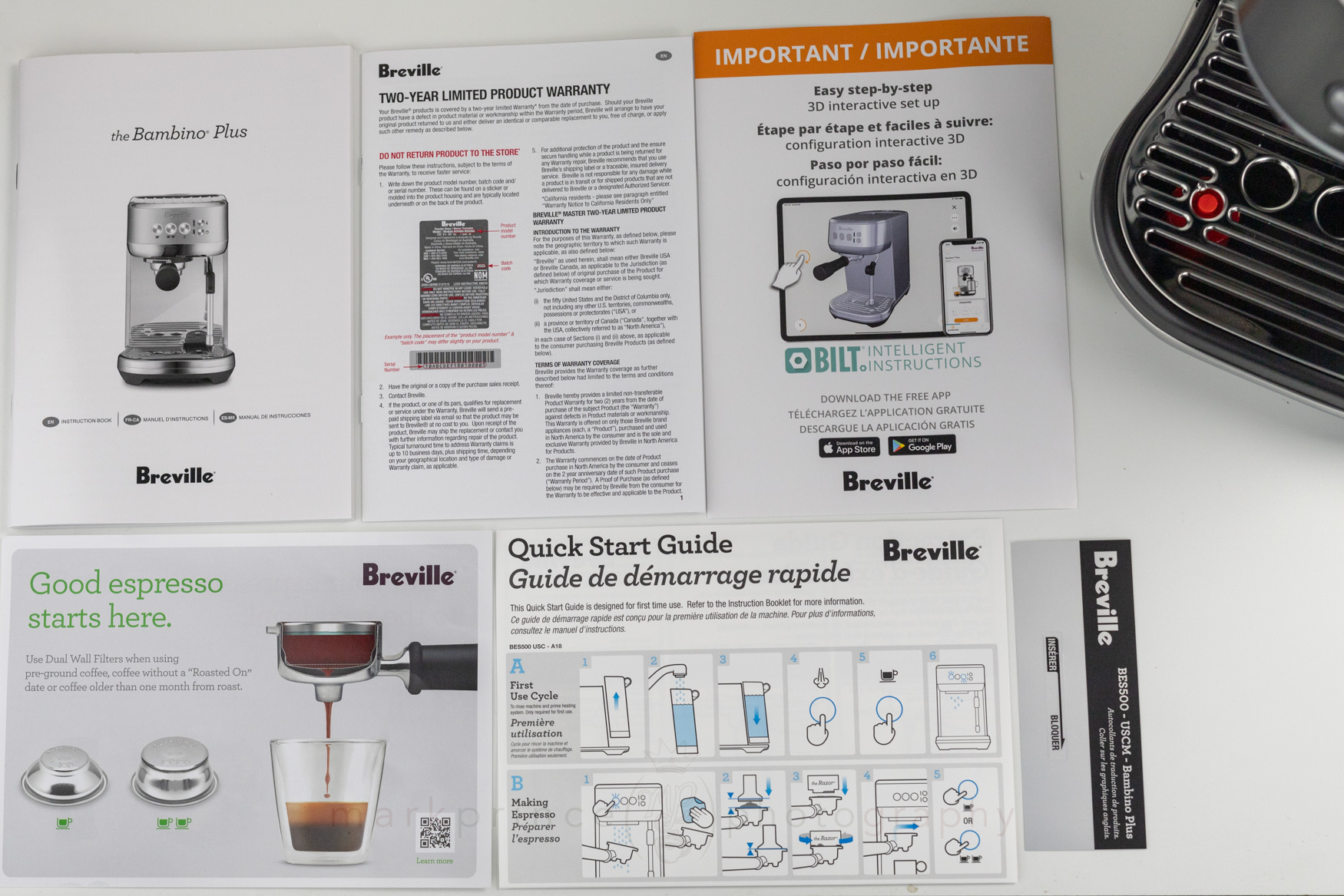
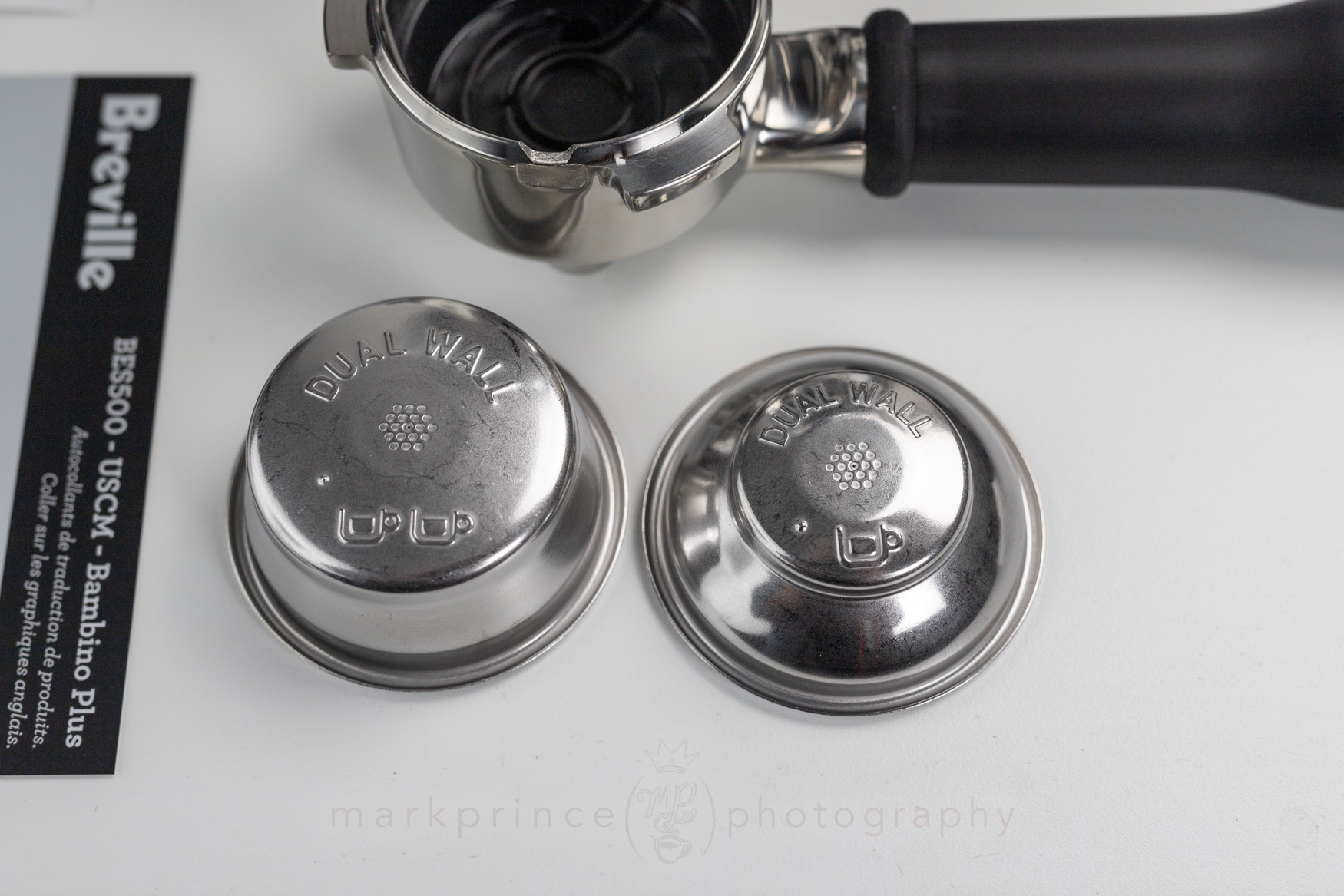
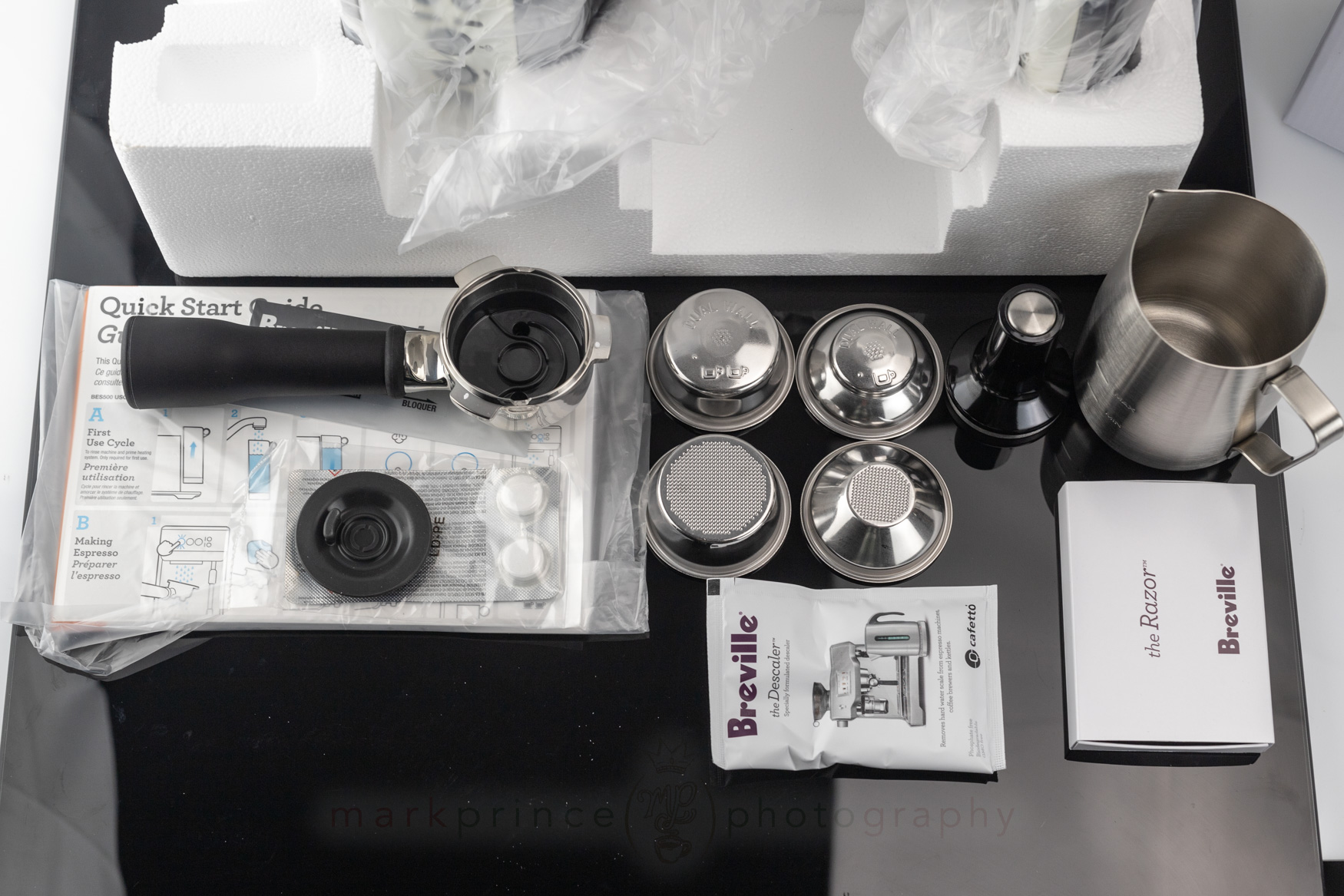
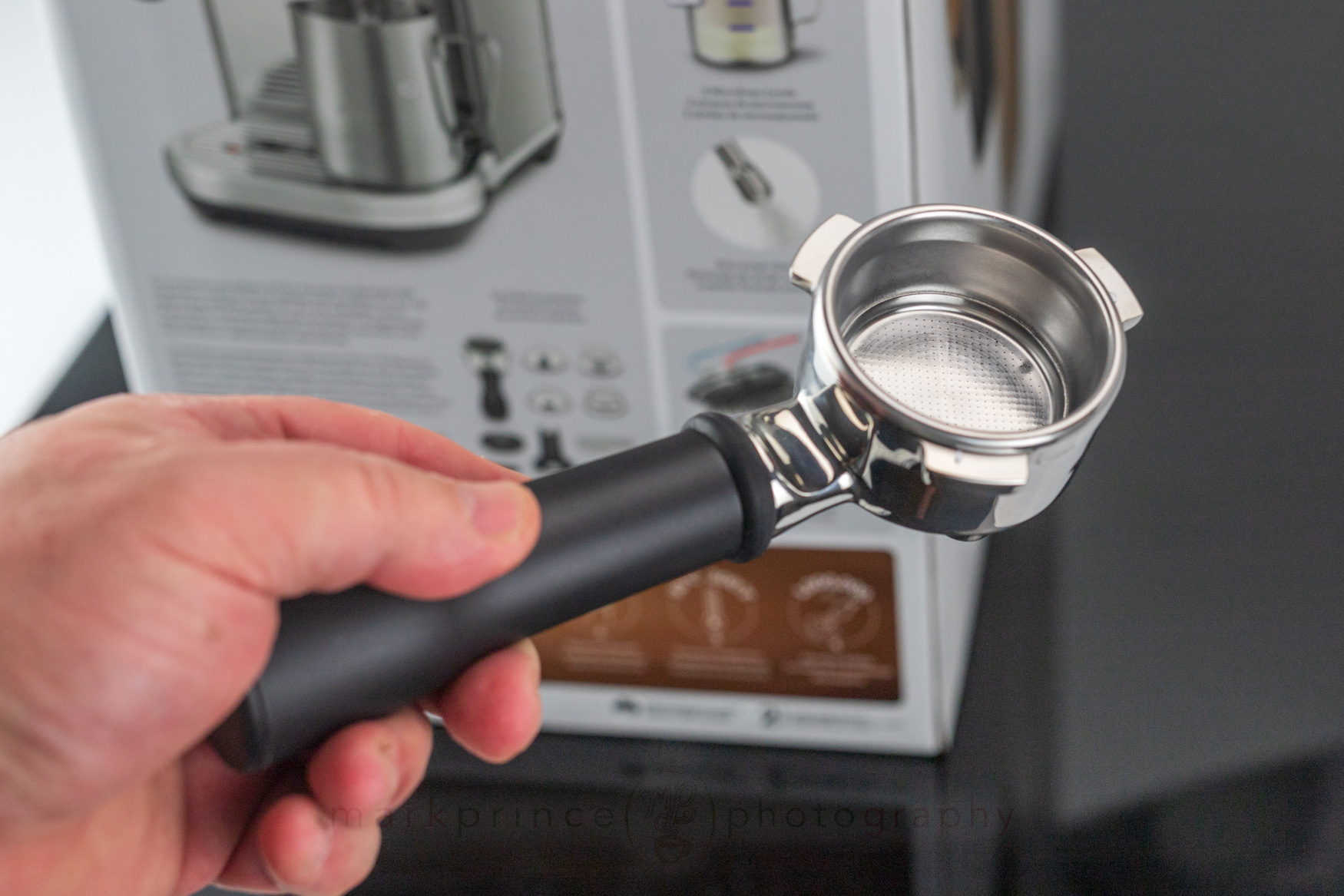
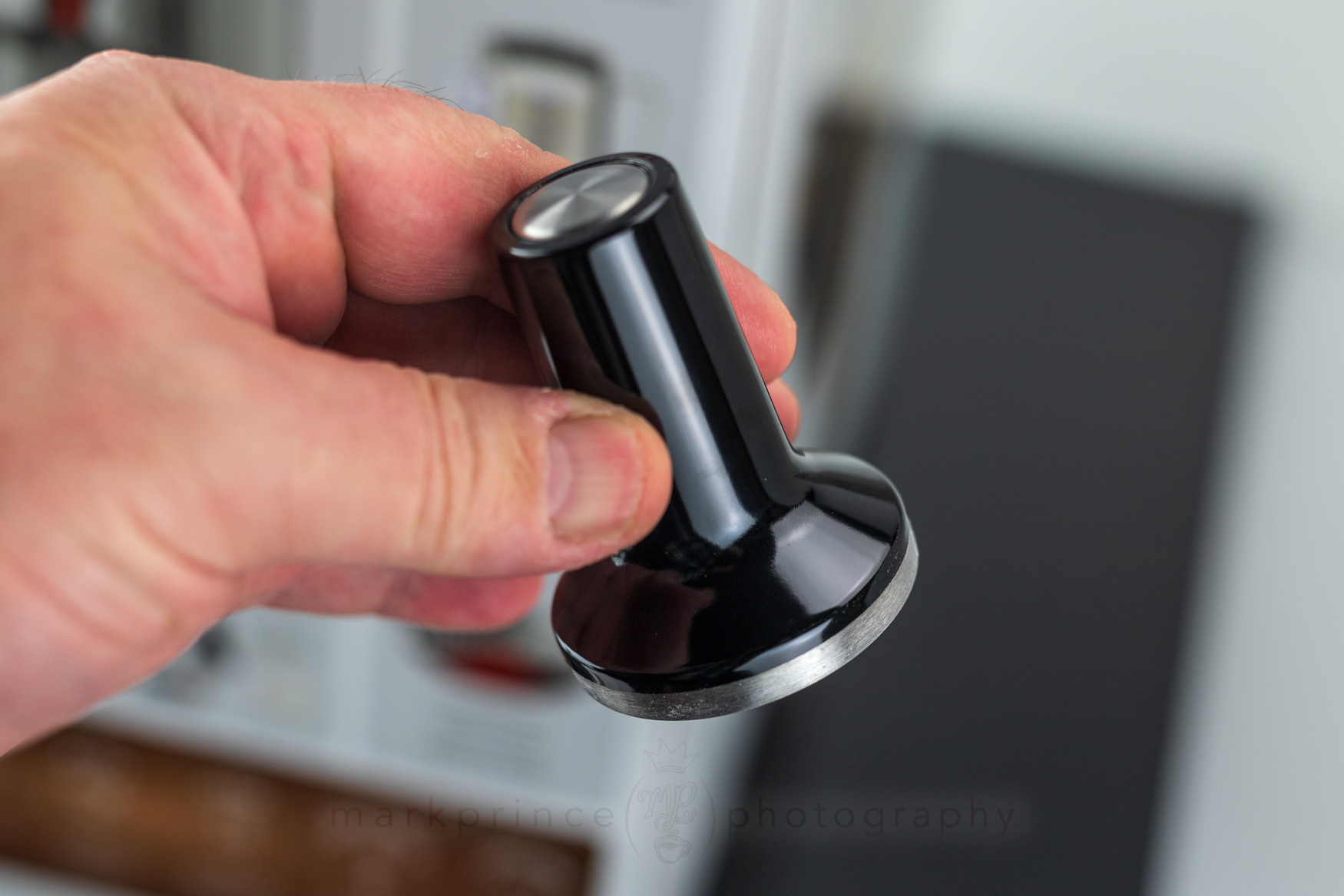
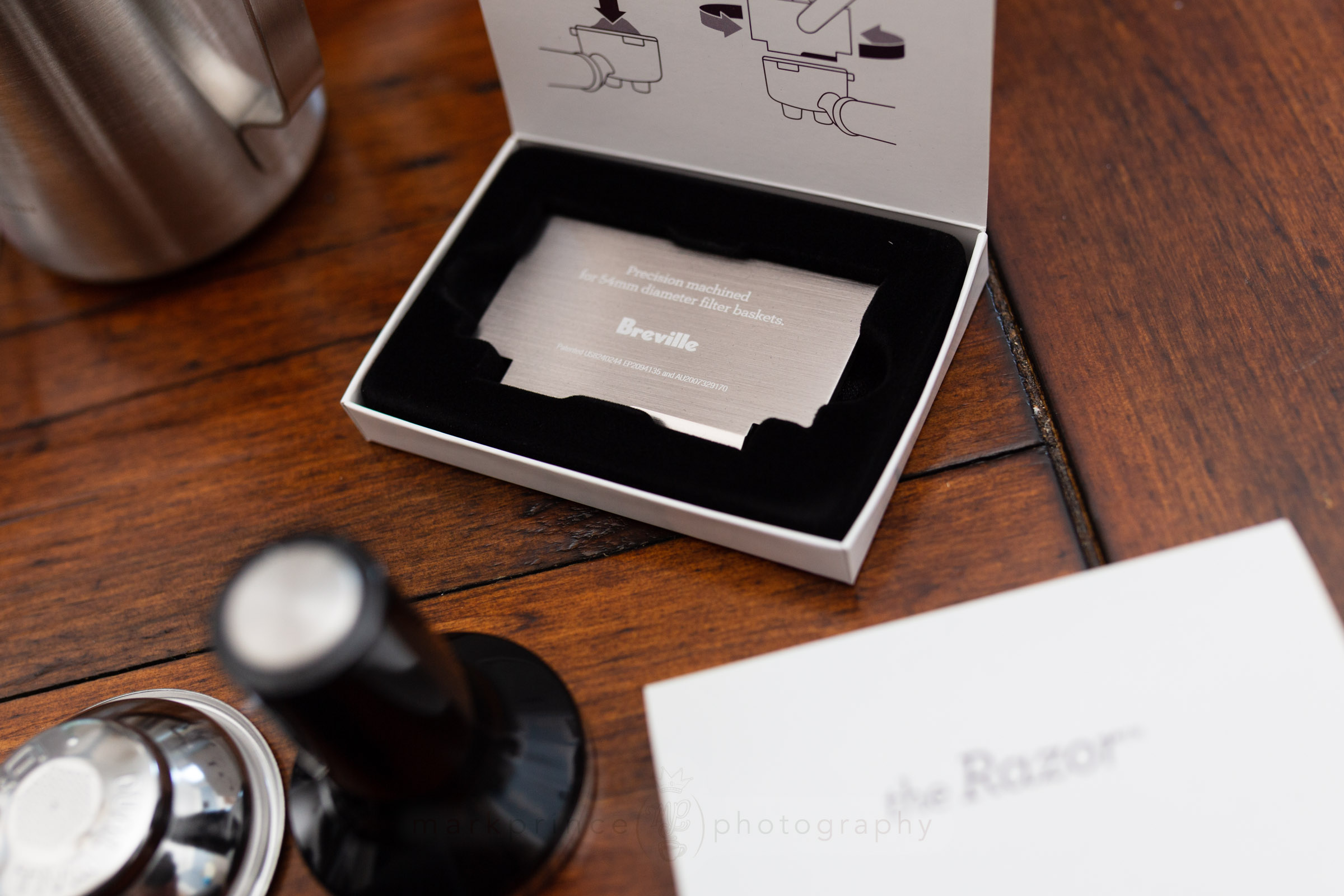
Opening the box, you see Breville’s manual as well as a quick start guide. Removing the styrofoam forms, you find some of the extras the machine comes with: a single shot “dual wall” filter, the steel, fixed spout 54mm triple-bayonet portafilter (compatible with all Barista Express aftermarket portafilter tools and replacements) with the double shot, doublewall filter installed, Breville’s Razor tool for shaving the level of coffee in the filter baskets, the same 54mm steel and plastic tamper that the Barista Express comes with, and some cleaning tablets.
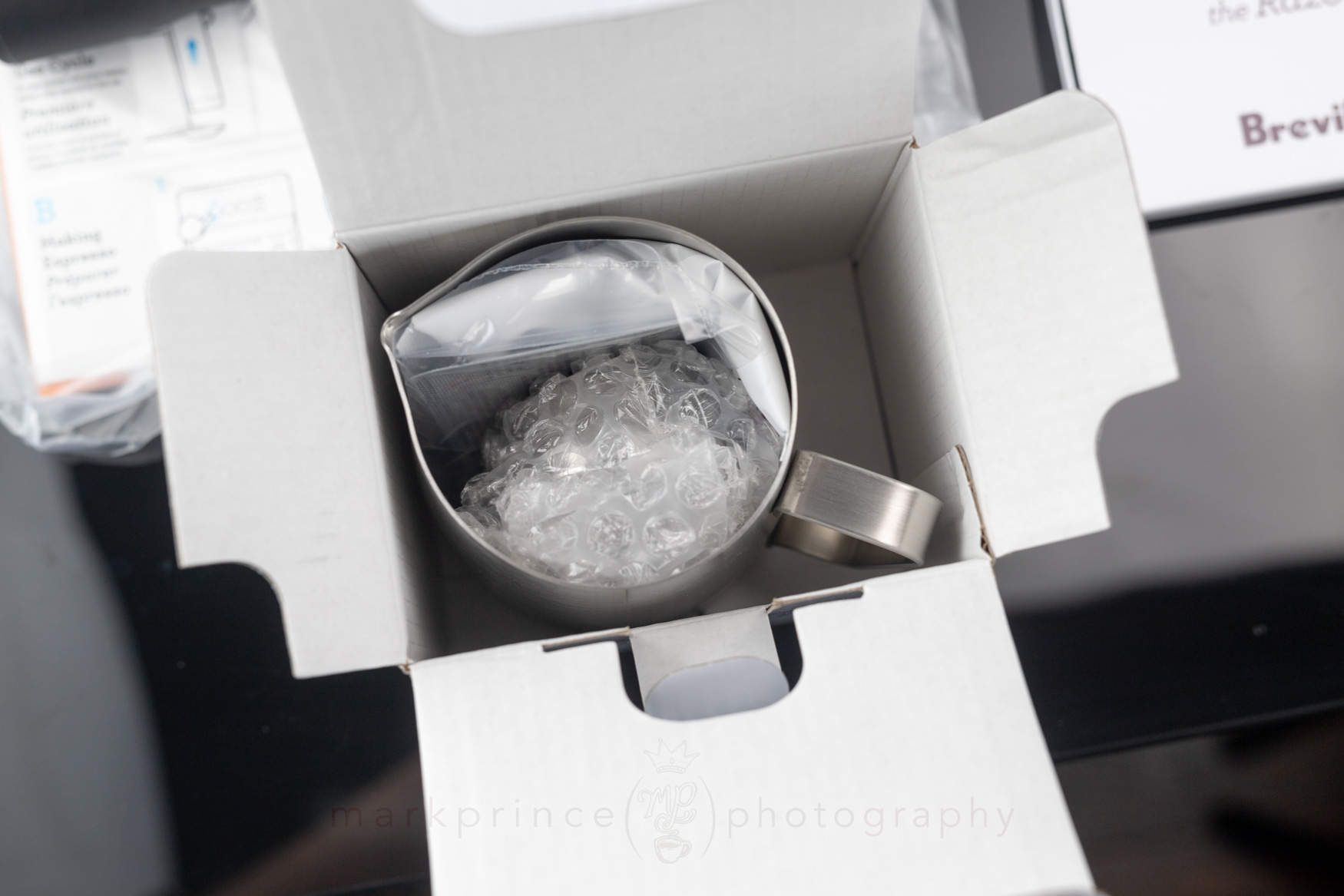
There is also a box containing a 500ml (16oz) steaming pitcher (a nice bonus that saves you $25), that is compatible with the Bambino Plus’ automated steaming system. Inside the pitcher are more items: the single and double standard filter baskets, a blind filter for backflushing the machine, some cleaning tablets, and a descaler powder for deep cleaning the machine.
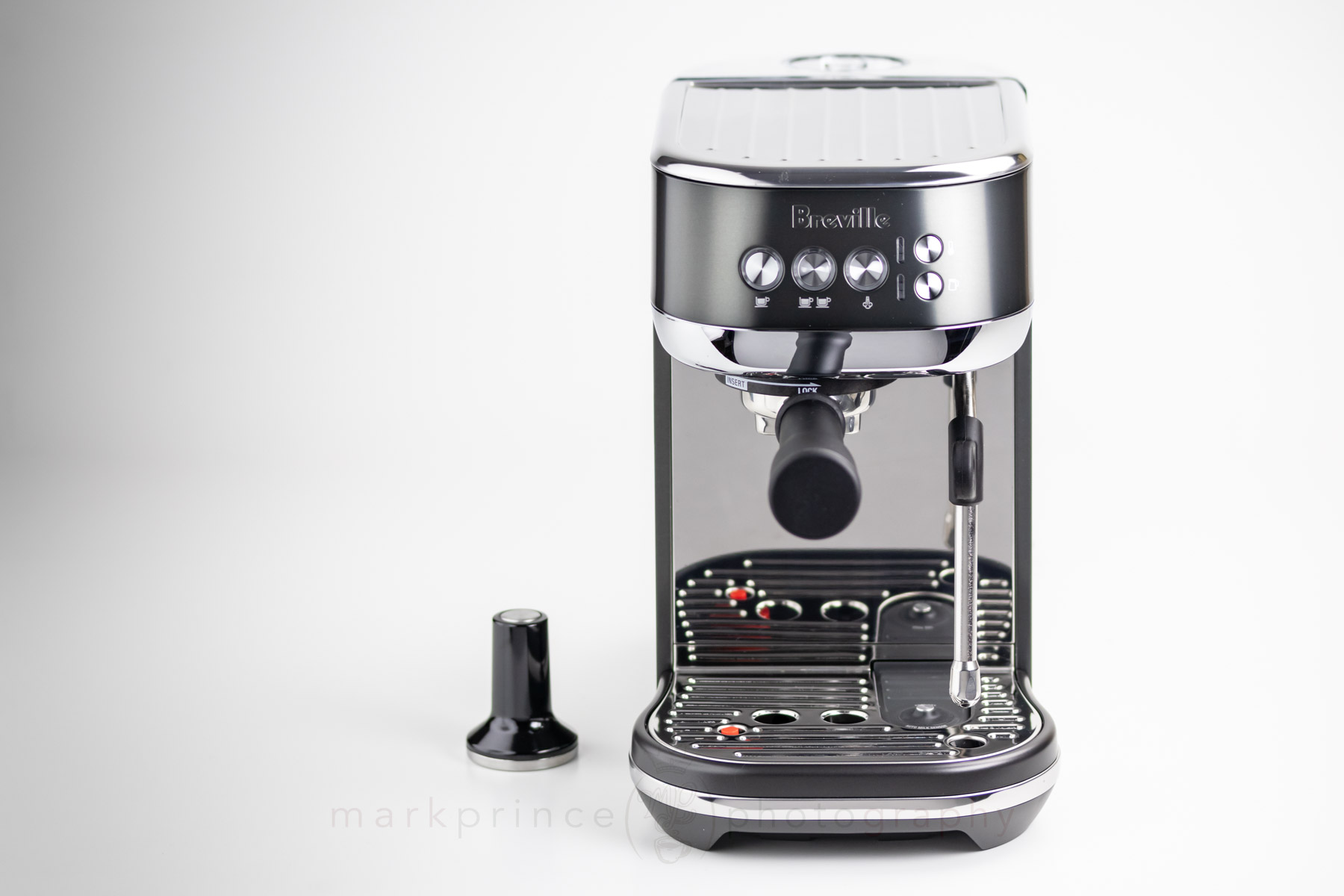
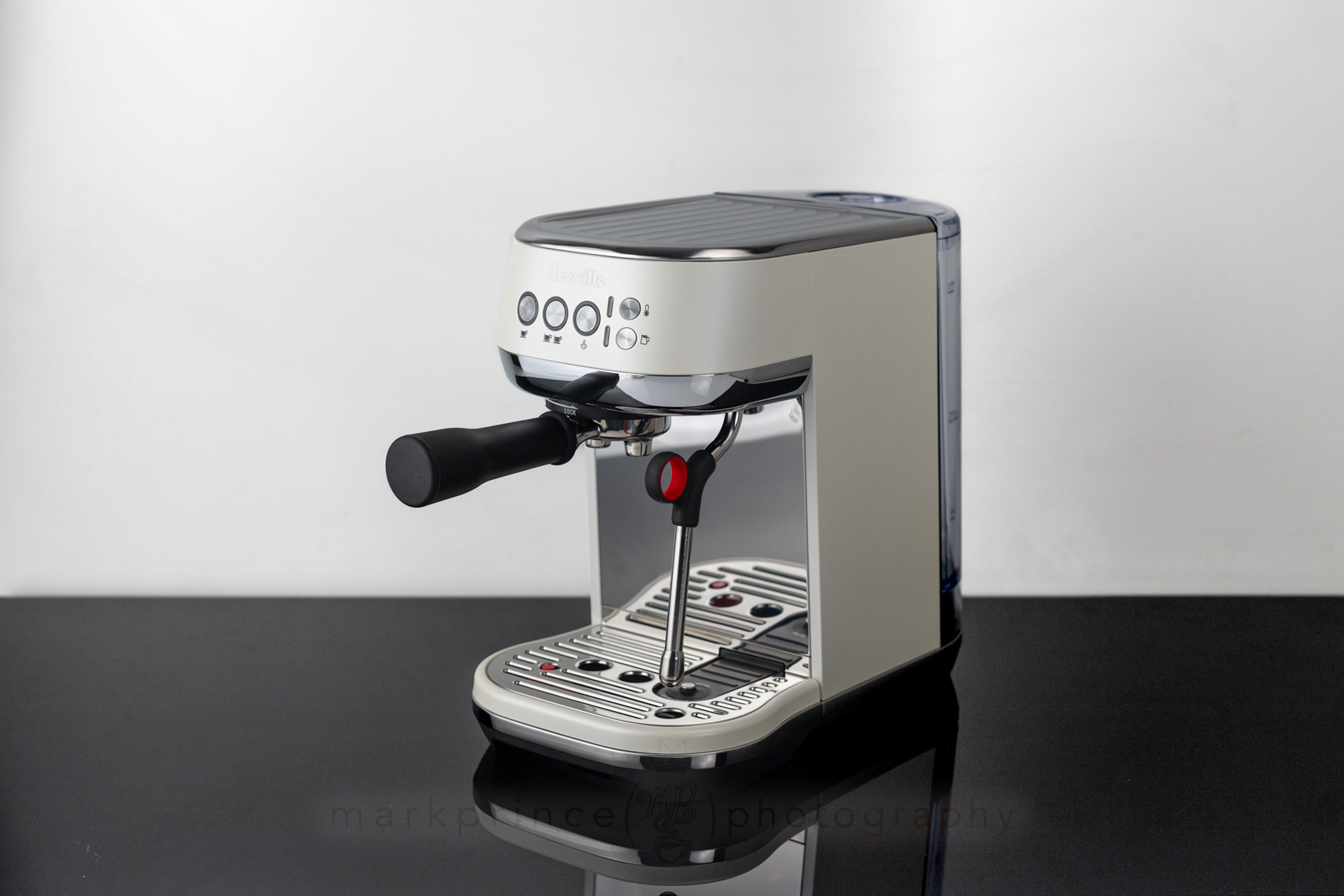
Once you have the Bambino Plus unpacked and staged up, you notice right away the fit and finish on this, for a supposed “budget” espresso machine, is exceptional. It also follows Breville’s 2018 design language, which is very modern and polished (I’d say their 2021 and 2023 design language is even better).
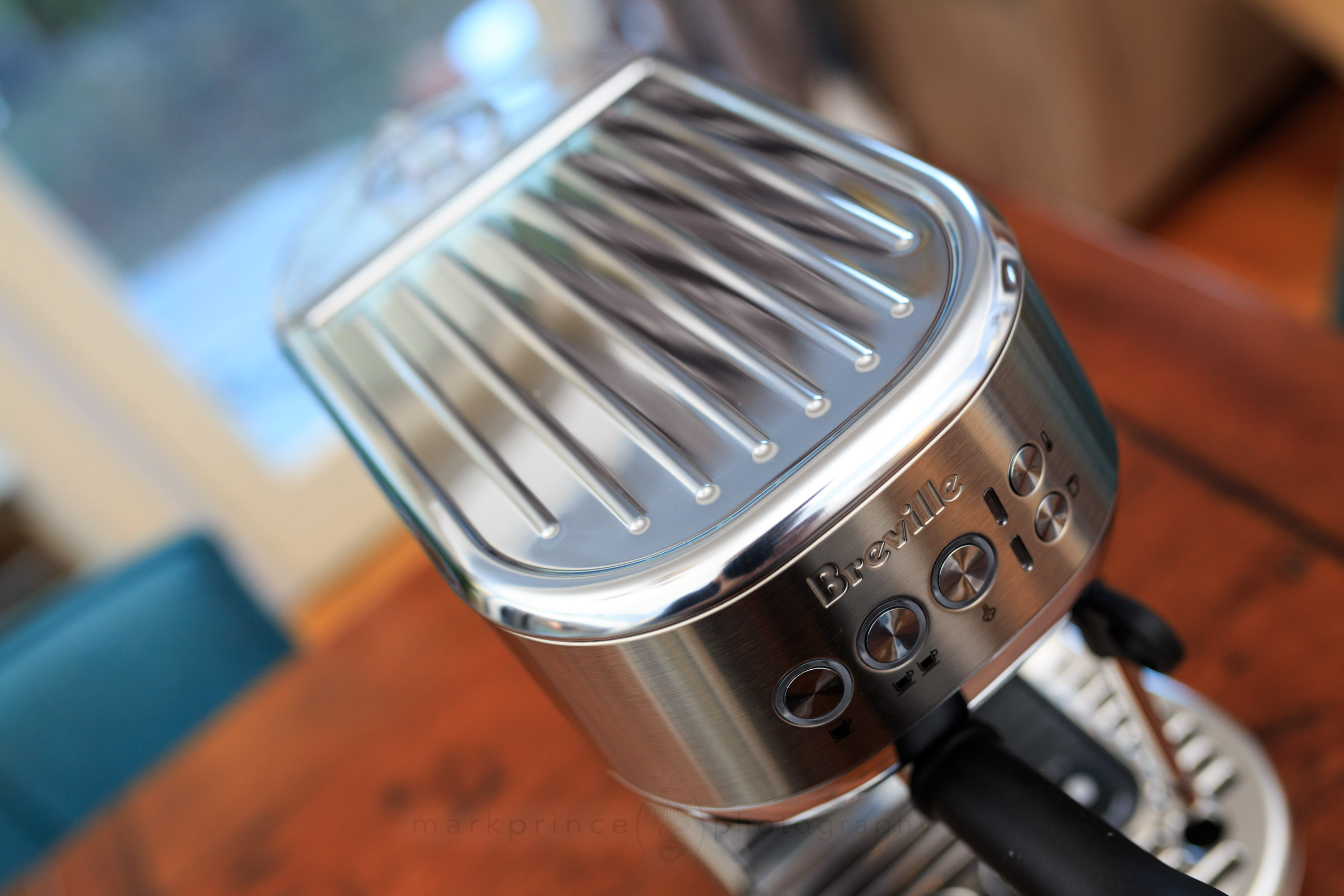
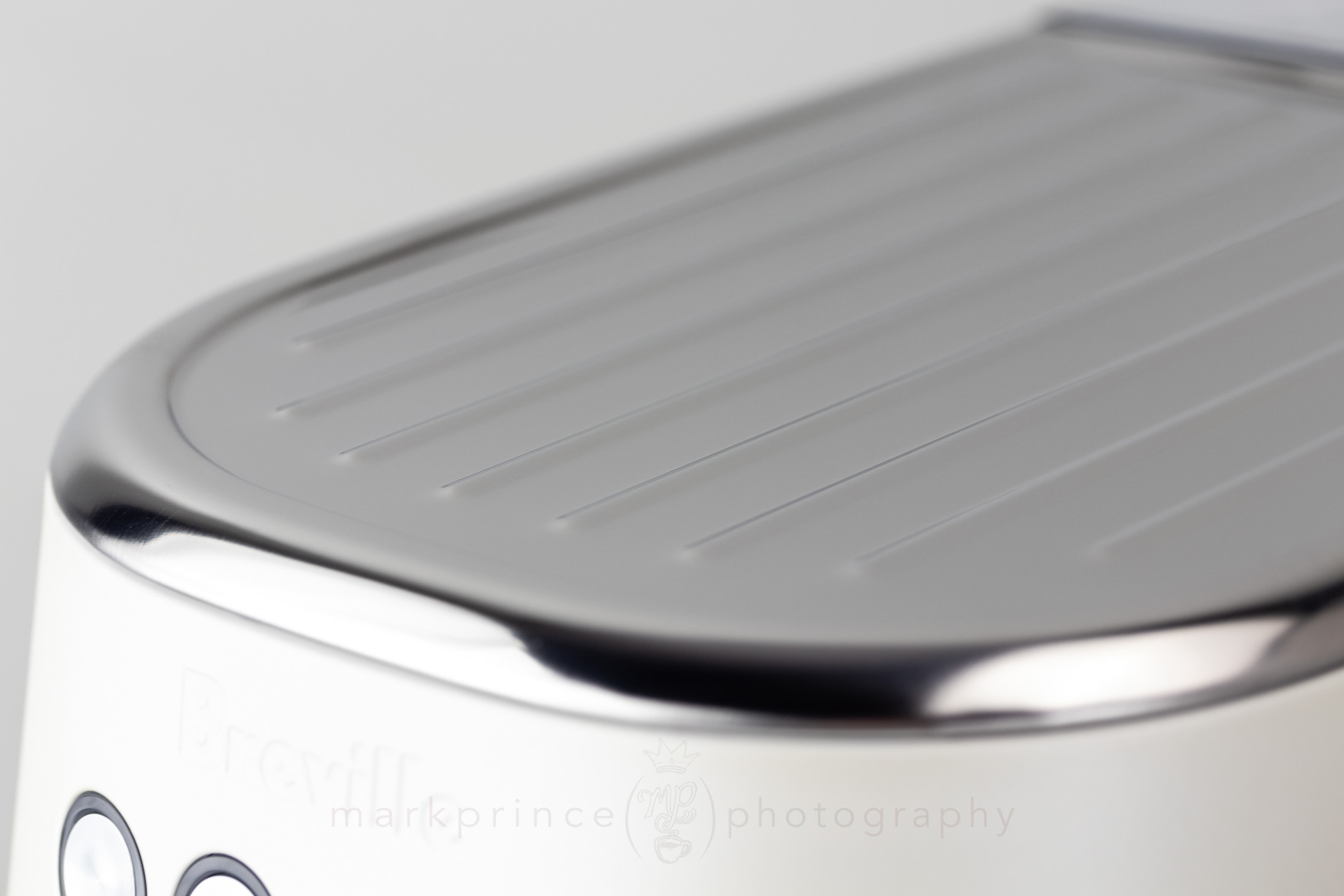
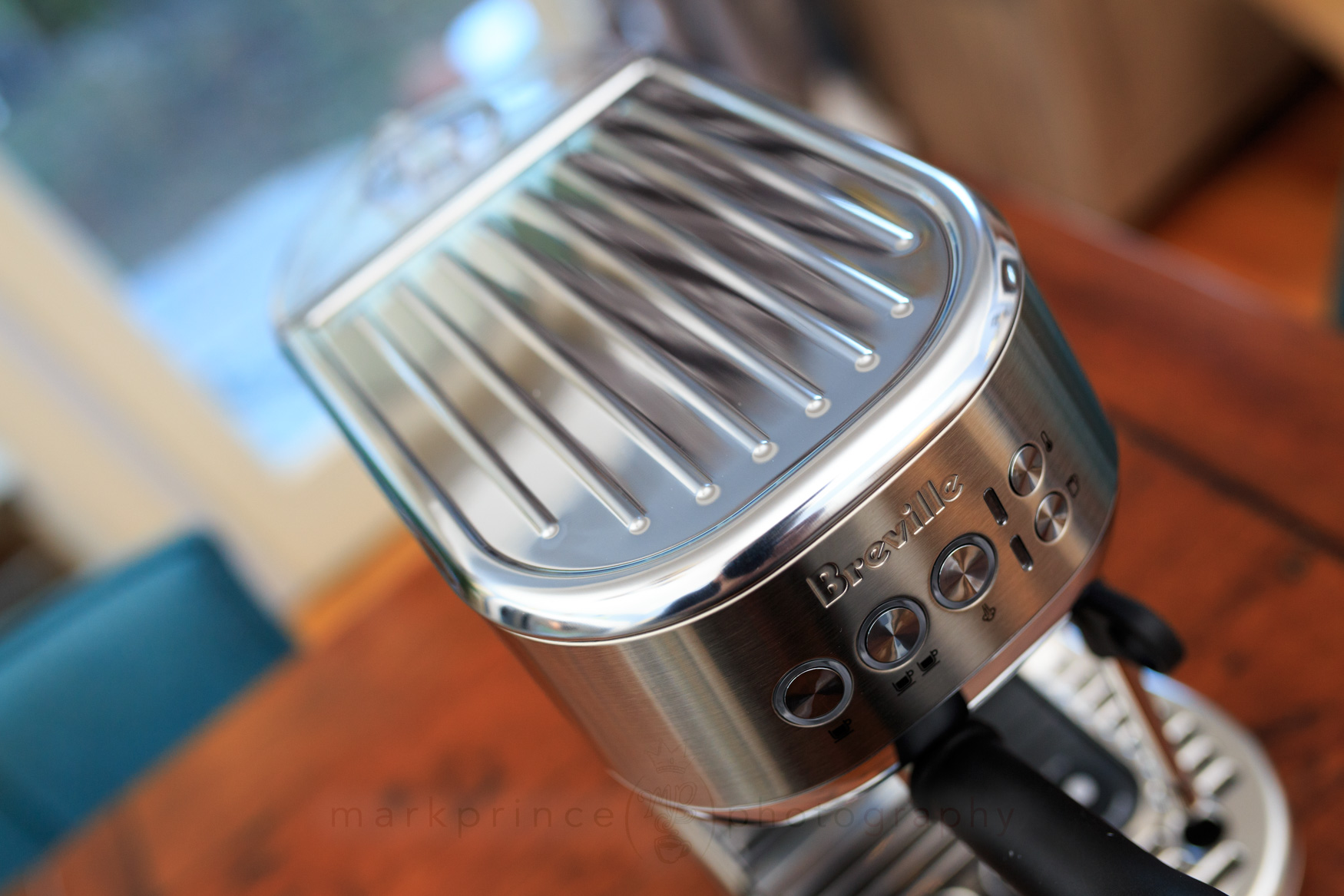
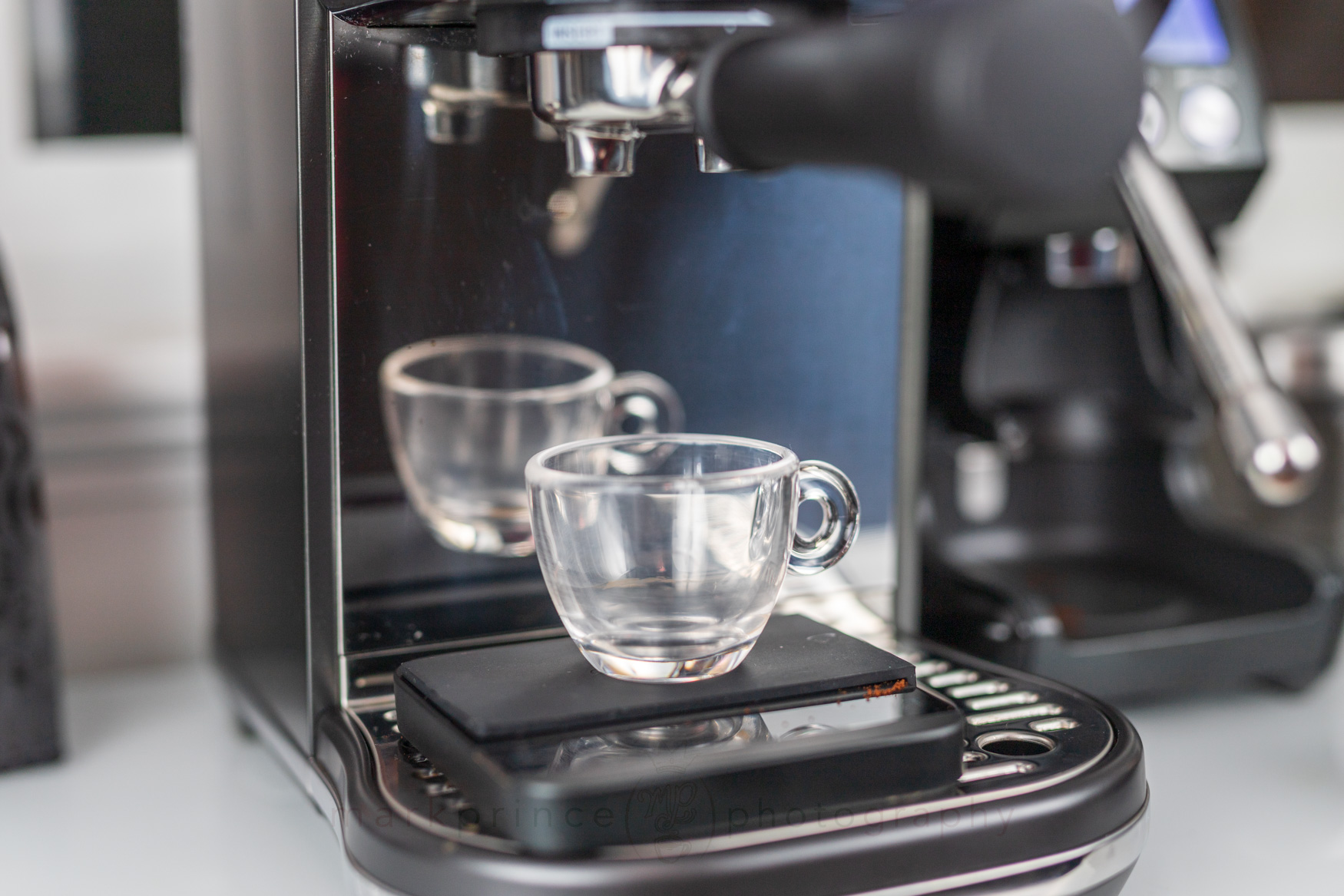
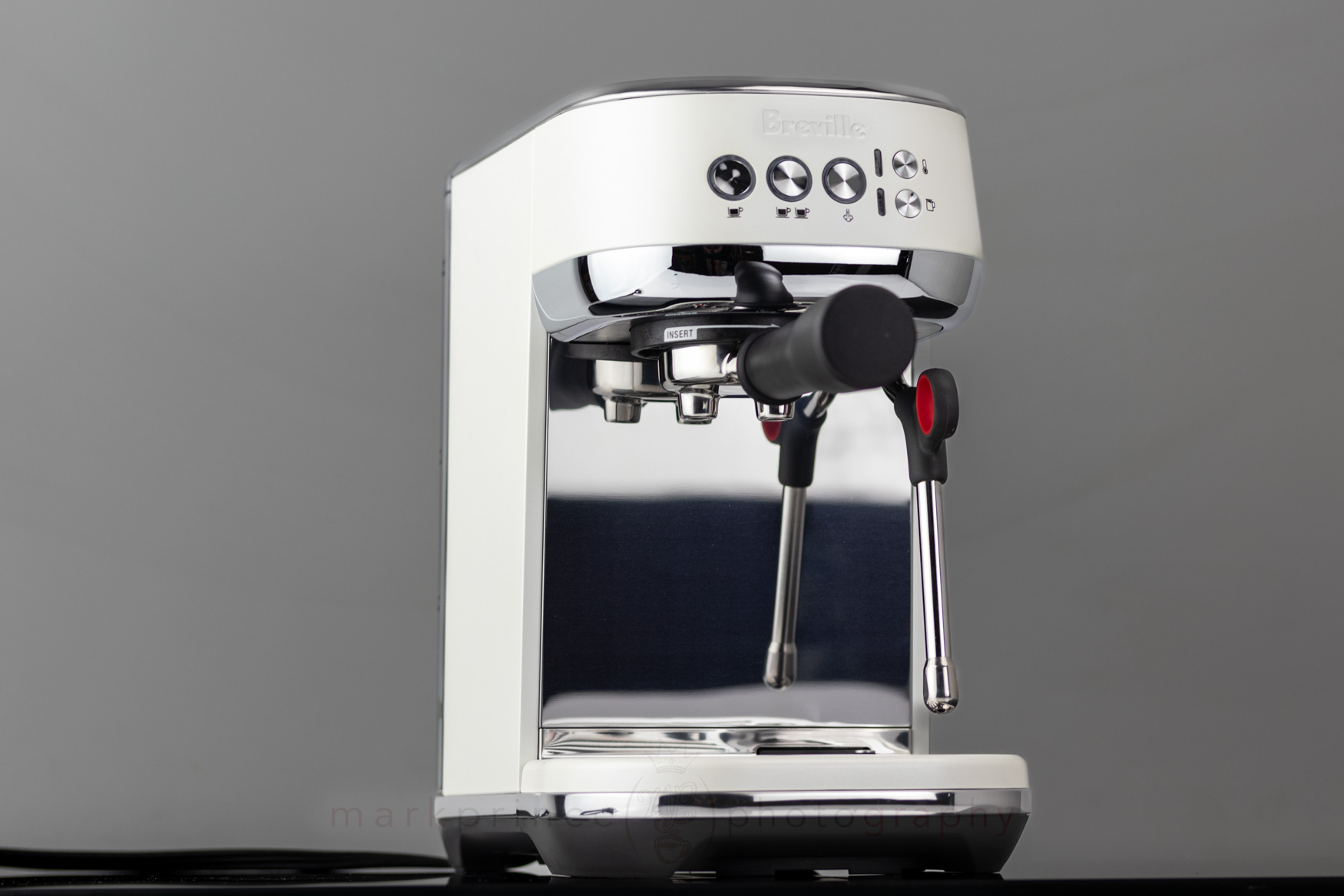
For instance: Breville loves their brushed stainless steel look, and the stock Bambino Plus does feature side panels with that look, but the backsplash and top cup tray are a mirror-polish steel, upping the “premium” look for the device. The backsplash is also angled, which means the mirror finish should give you a different angle to look at the shot pull dropping into your cups.
Looking around the machine the first time in 2018, I was struck by the tight fit and finish and just how tiny the machine is. Even today in 2024, it is still one of the smallest full featured machines on the market. The Bambino (non plus model) is even smaller, but doesn’t have the polish the Bambino Plus does. Since the Bambino Plus’ introduction, other brands like Smeg and Delonghi have tried to copy this machine’s size and “look”, but this one here is the original, and if I’m honest, way, way better put together than those copycat machines.
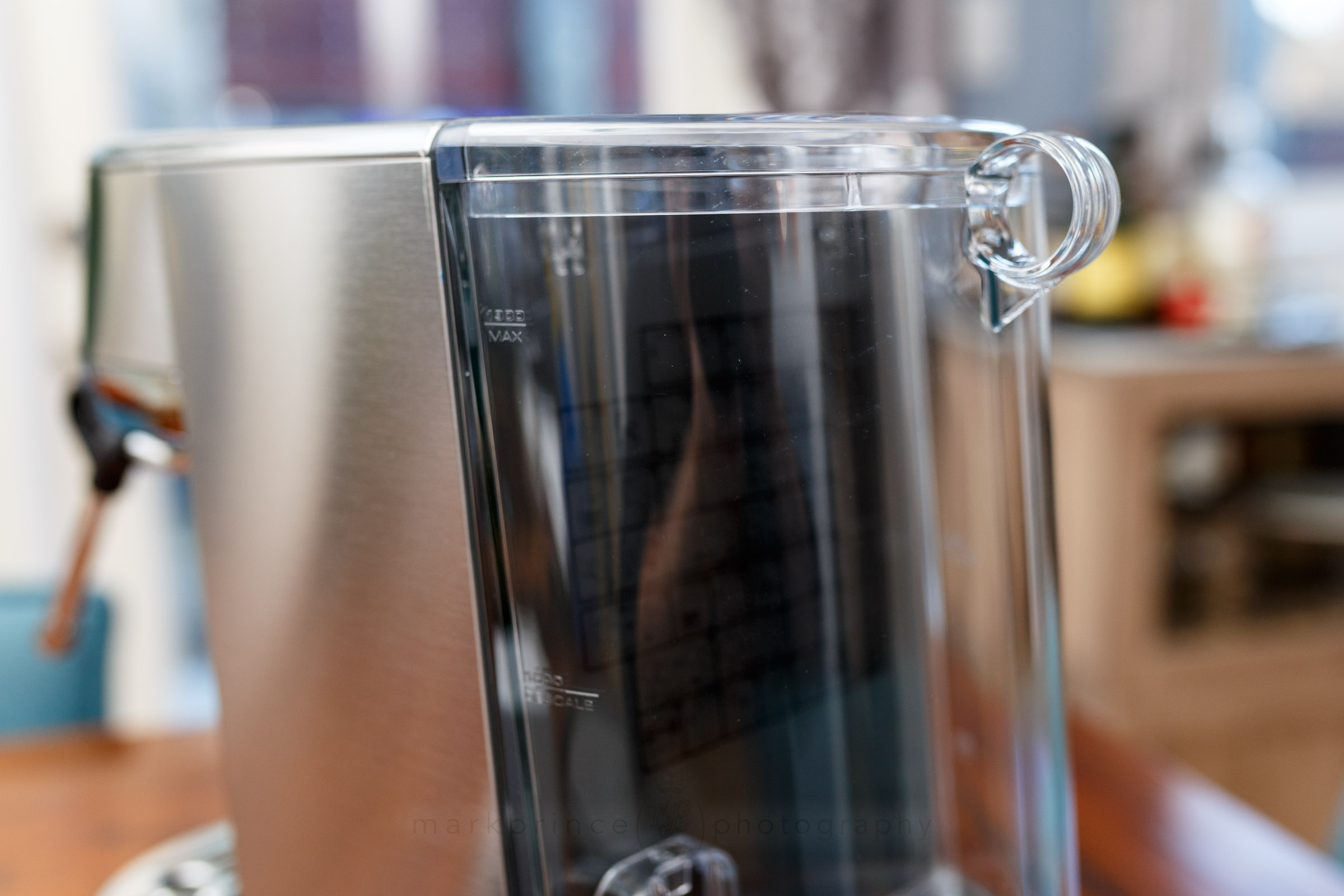
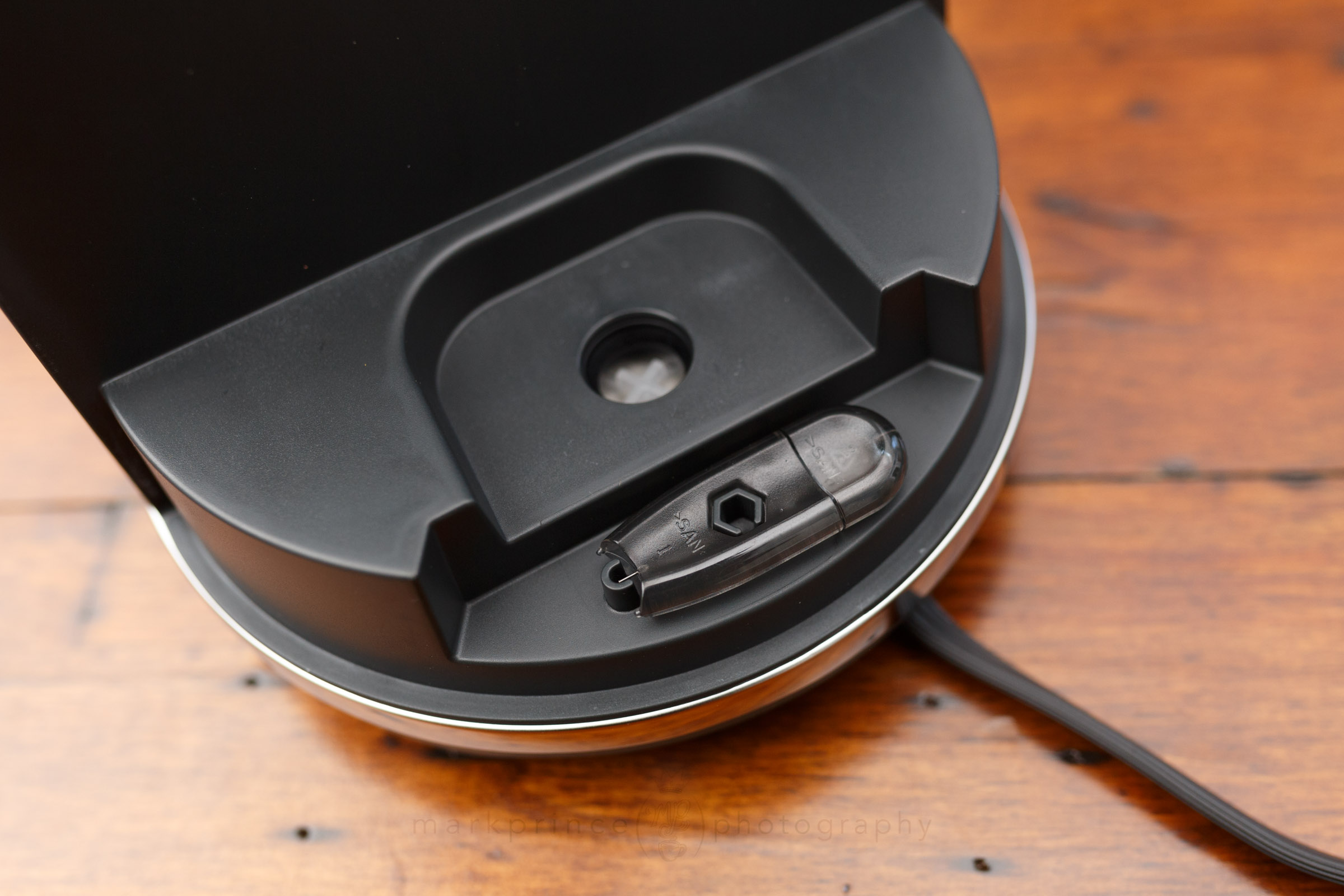
The next thing to stand out to my eye was the water reservoir which holds 1.9 litres of water. It has a nice solid “Breville Grip Ring” designed into it, easing the full removal of the water reservoir if you prefer filling it at the sink. When you remove the reservoir, you’ll note two things: first, underneath it is a hidden wand cleaning tool that has its own seat built into the machine; and second, there was some printing on the machine side of the water reservoir. All that printing is basically a “quick guide” to the machine’s maintenance, cleaning and operation. Again, super well thought out design.
The Bambino Plus in the US and Canada does not come with a water filter included (I wish it did). The Sage branded version of this machine in Europe and the UK does, as do select Asian market Bambino Plus machines. The reservoir is water filter compatible with Breville’s Claris water filter system.
Buy the Claris Filter Holder Kit direct from Breville ($8) and then buy some third party filters that are pretty cheap. I highly recommend using a filter system in every espresso machine, including the Bambino Plus.
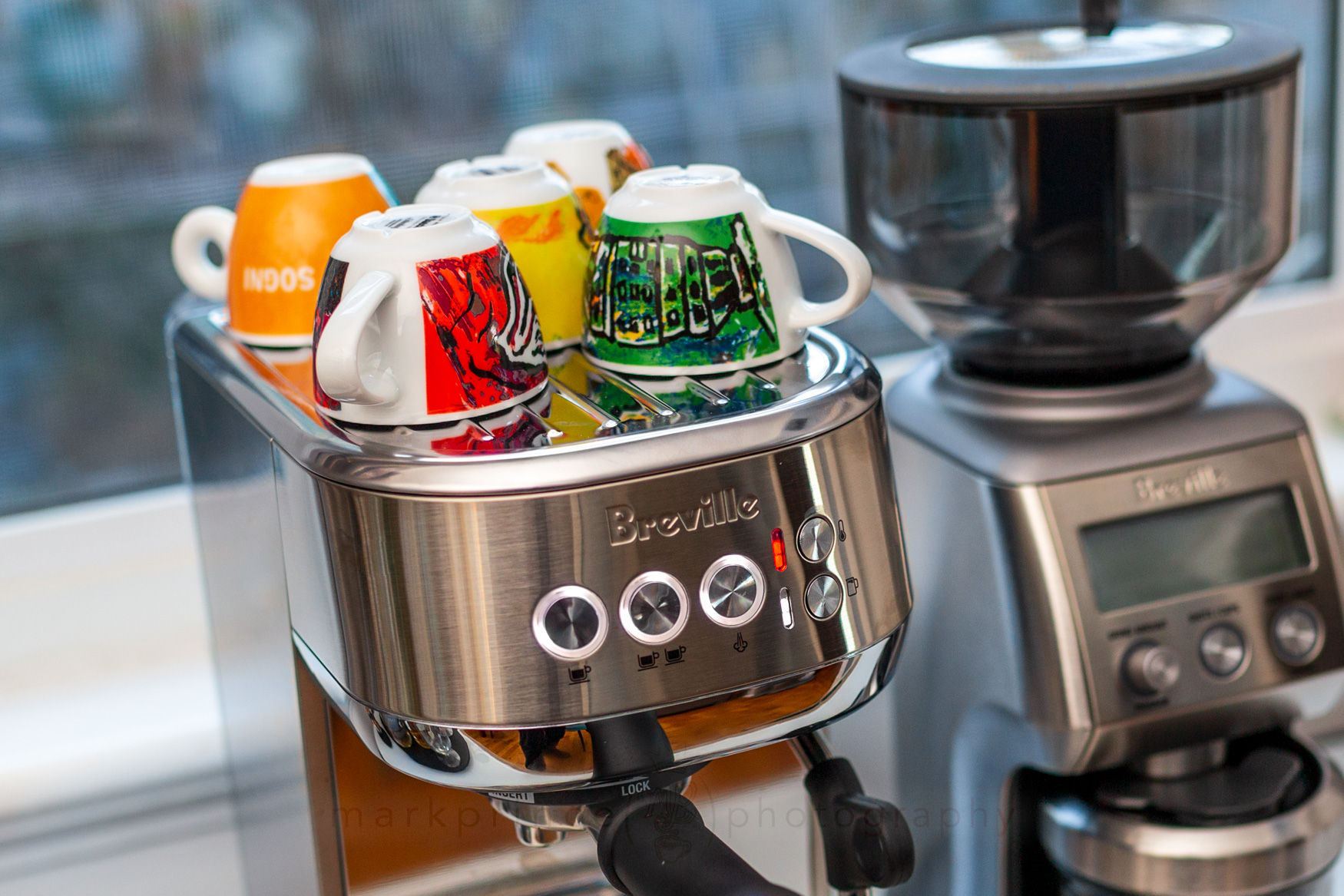
The top of the Bambino Plus has a polished, beveled metal section to hold your cups (not sure if it actually works as a cup warmer though – more on that later). The sides and control area up front are Breville’s usual brushed metal finish (or annodized metal, or painted metal), but the front underneath the controls has a polished metal trim which again breaks just a bit from Breville’s previous design modus. On the bare metal bodied Bambino Plus machines (including black steel, brushed steel, and smoke steel models), the coloured trim is also metal; on the painted metal bodies, it is plastic.
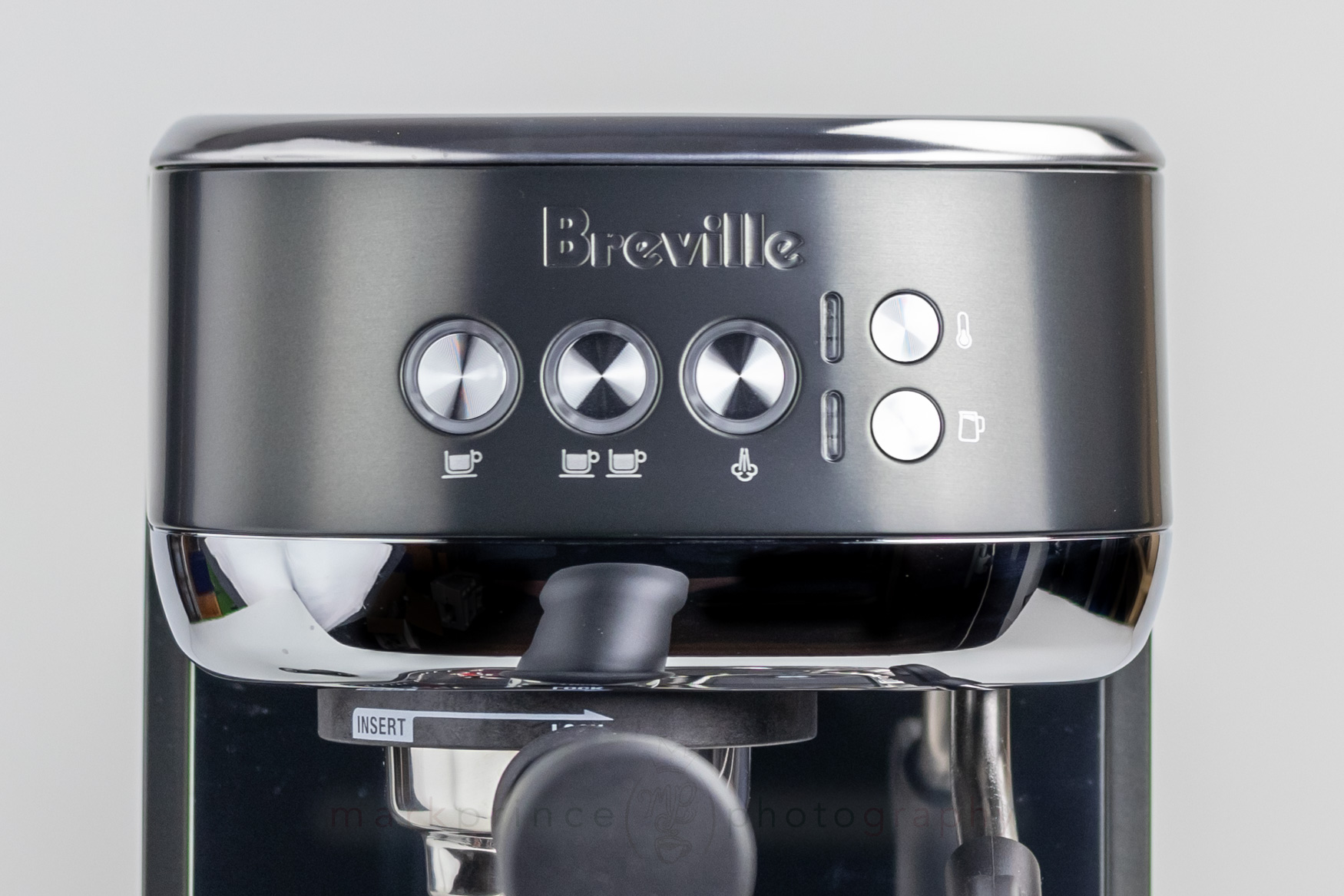
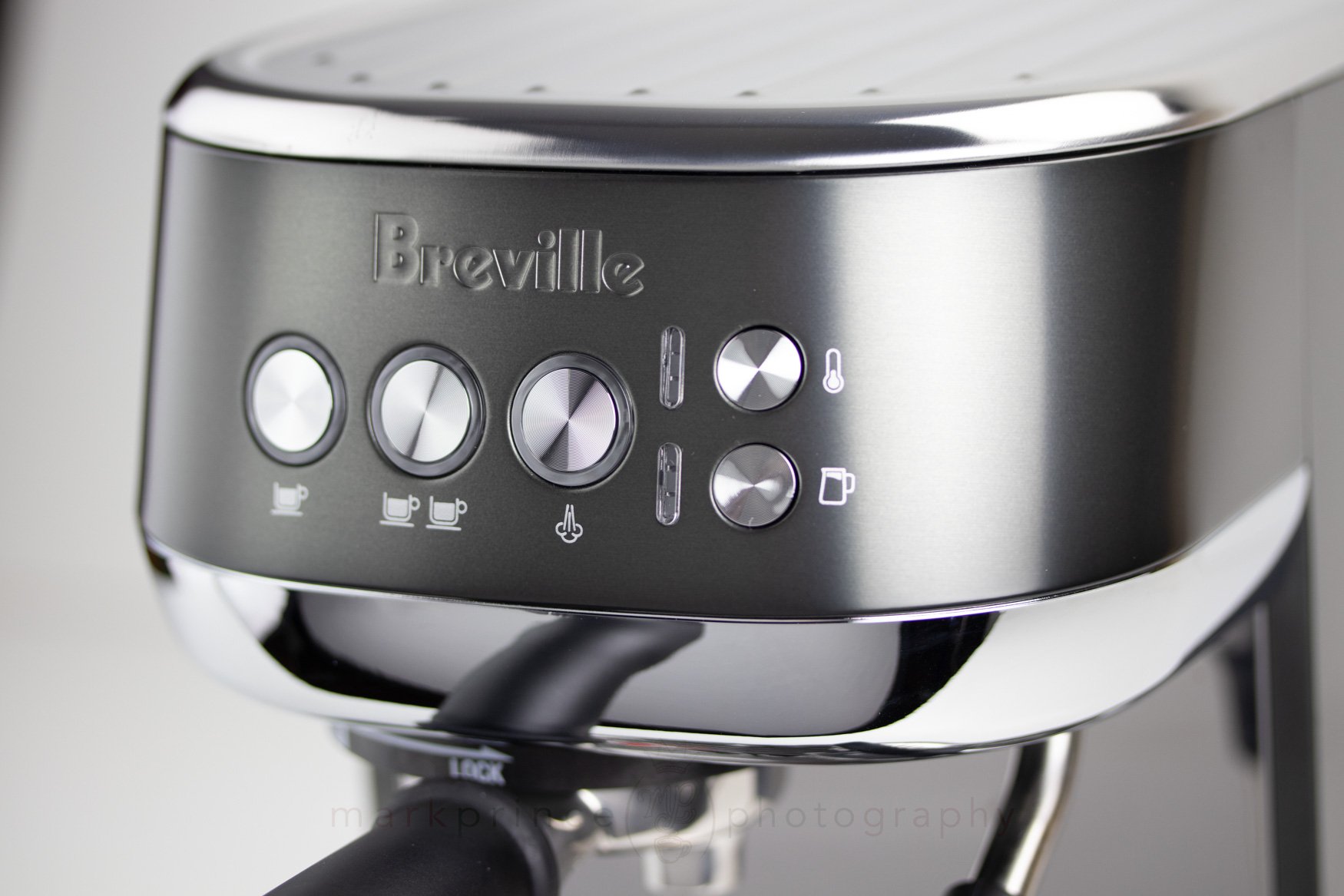
Moving on to the main control area of the Bambino Plus, things are (mostly) straight forward. First, you might notice there’s no power button. There’s several reasons for this. First and foremost, this is not a standard big boiler, needs to warm up the water inside kind of machine, so Breville eschewed the power button on this unit: any of the three buttons up front will power the machine on. Another factor is that the machine doesn’t really “heat up” other parts, like the drip tray or even the grouphead. Third, and related, the instant on / instant steam ability of the machine means you just press a button up front, and a few seconds later, it can brew or steam.
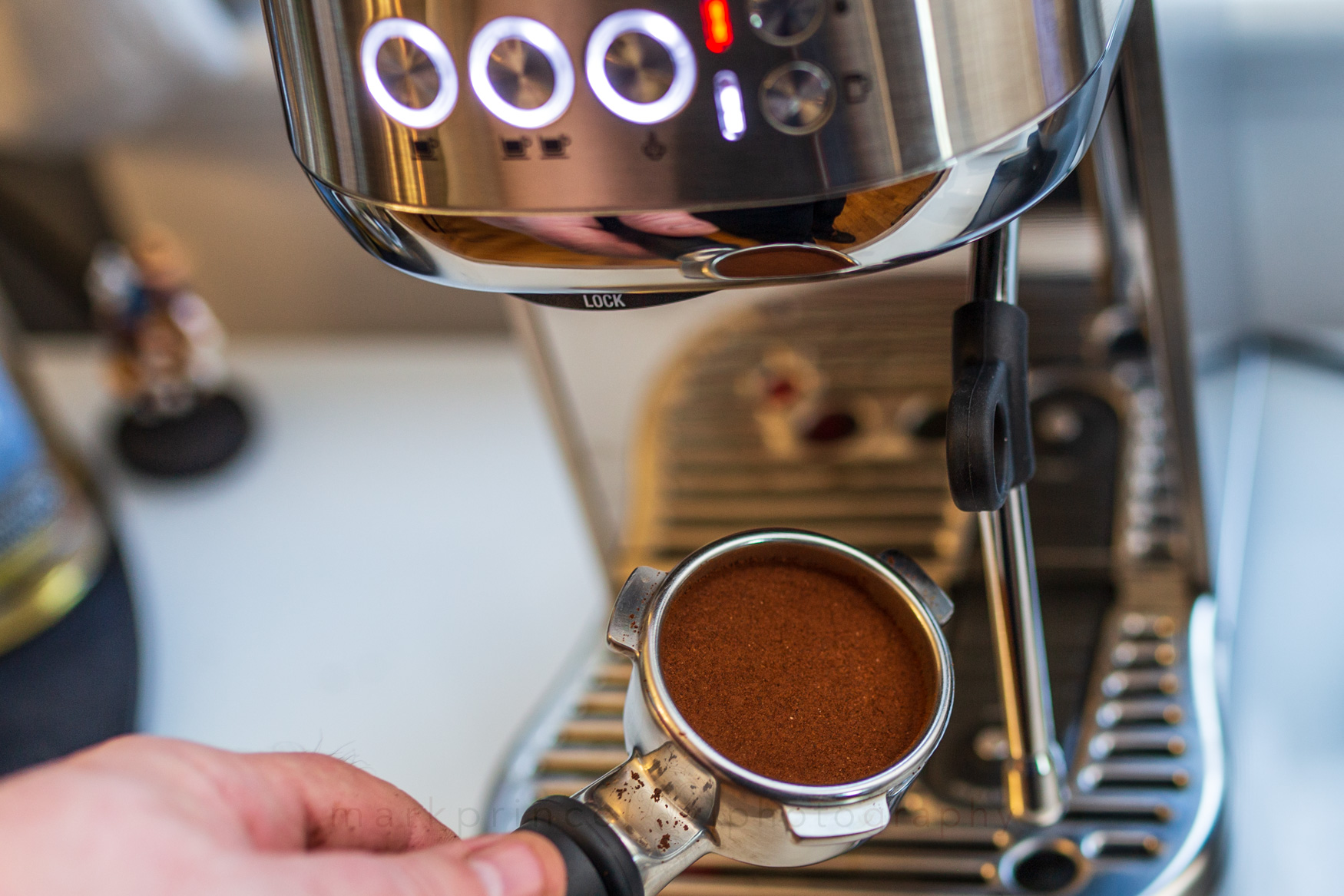
Across the control panel are five buttons three of them with indicator light rings, and two multi-stage indicator lights. The single shot button is on the left; next to it is the double shot button, and next to that is the steam start button. The Bambino Plus does not have a traditional steam knob; it is an all or nothing steamer.
Next to the three big buttons are two vertical indicator lights: the lower one indicates the 3 different levels of froth the machine can generate. The upper one indicates the 3 different levels of milk heat it will steam milk to. Next to each of these lights are the buttons to change the setting levels for both functions.
The Bambino Plus does not use a lot of electricity when not in use, even when the display lights are powered on. The machine will go to “sleep” after about 10-15 minutes of inactivity; if you want to power it down before then, press the single shot and steam buttons at the same time (but why bother).
About 18 months after the Bambino Plus was introduced without the ability to deliver hot water on demand, Breville added this functionality to every machine sold after 2019. It’s a bit janky though: first, extend the wand, then simultaneously press the single shot and froth level adjust buttons; when done right, hot water will start flowing out the steam wand. Do it wrong, and you might prematurely start your espresso shot by activating the single shot button. Still, it’s nice to have hot water.
Moving down the machine is the portafilter area and the steam wand connection.
The Bambino Plus is fully compatible with every accessory, filter basket, dosing tool, puck screen and dispersion screen made for the Breville Barista Express lineup, and there are literally thousands of devices out there for you to spend your money on.
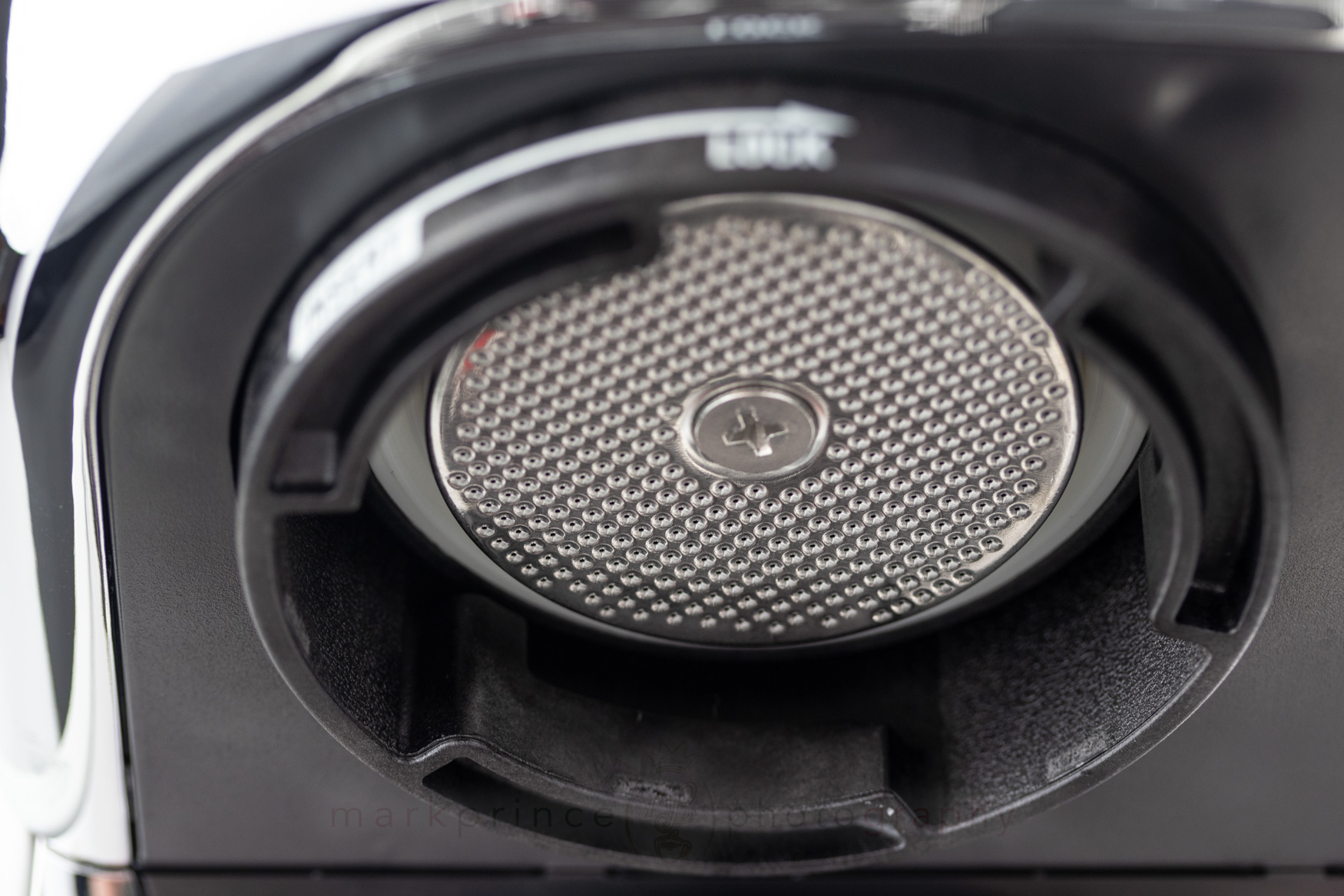
The dispersion screen and plate is pretty much identical to the Barista Pro and Barista Touch machines. The bayonet mount is plastic, which long term may be an issue (talking years down the road). The good news is, aftermarket, higher quality dispersion screens are compatible with this model.
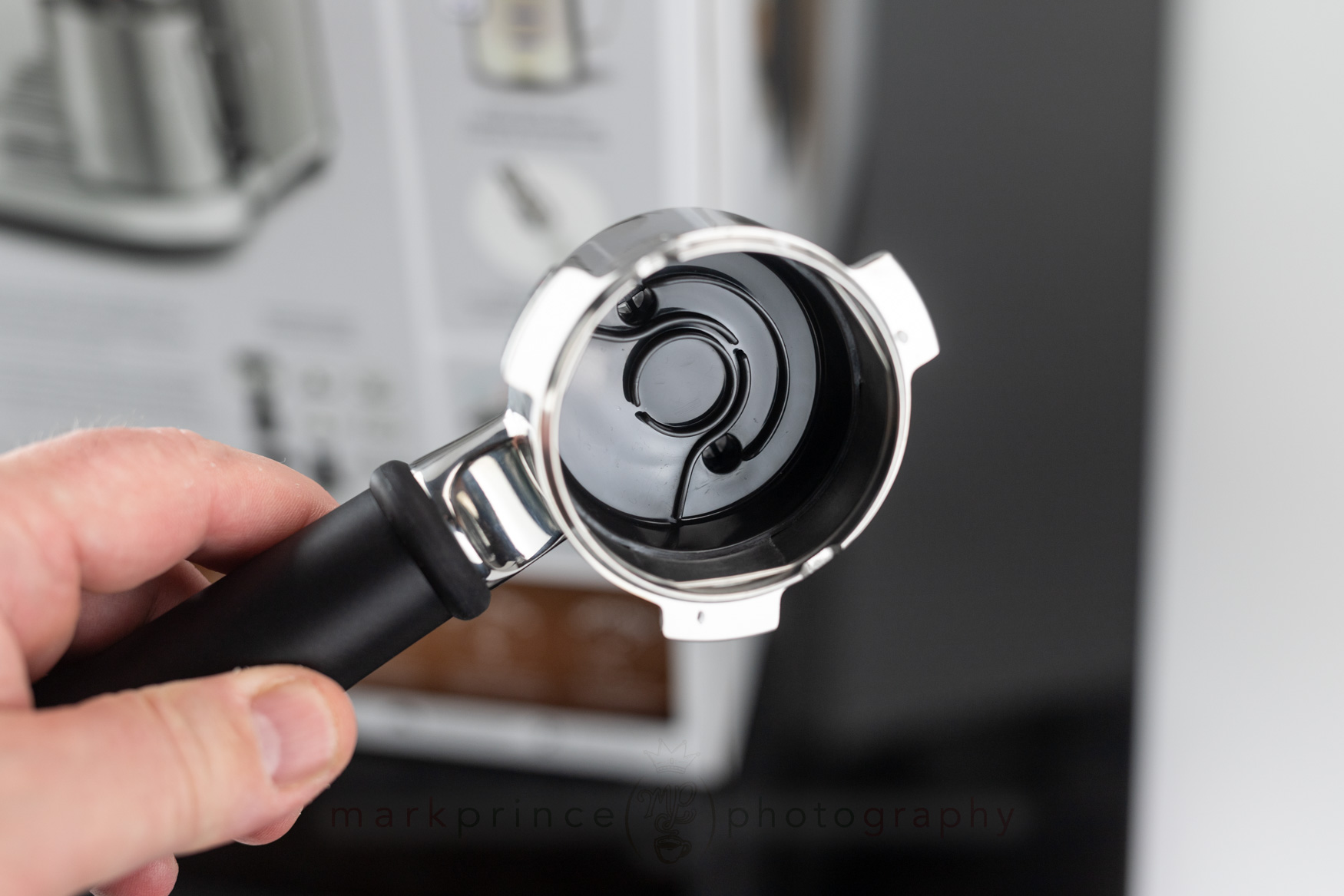
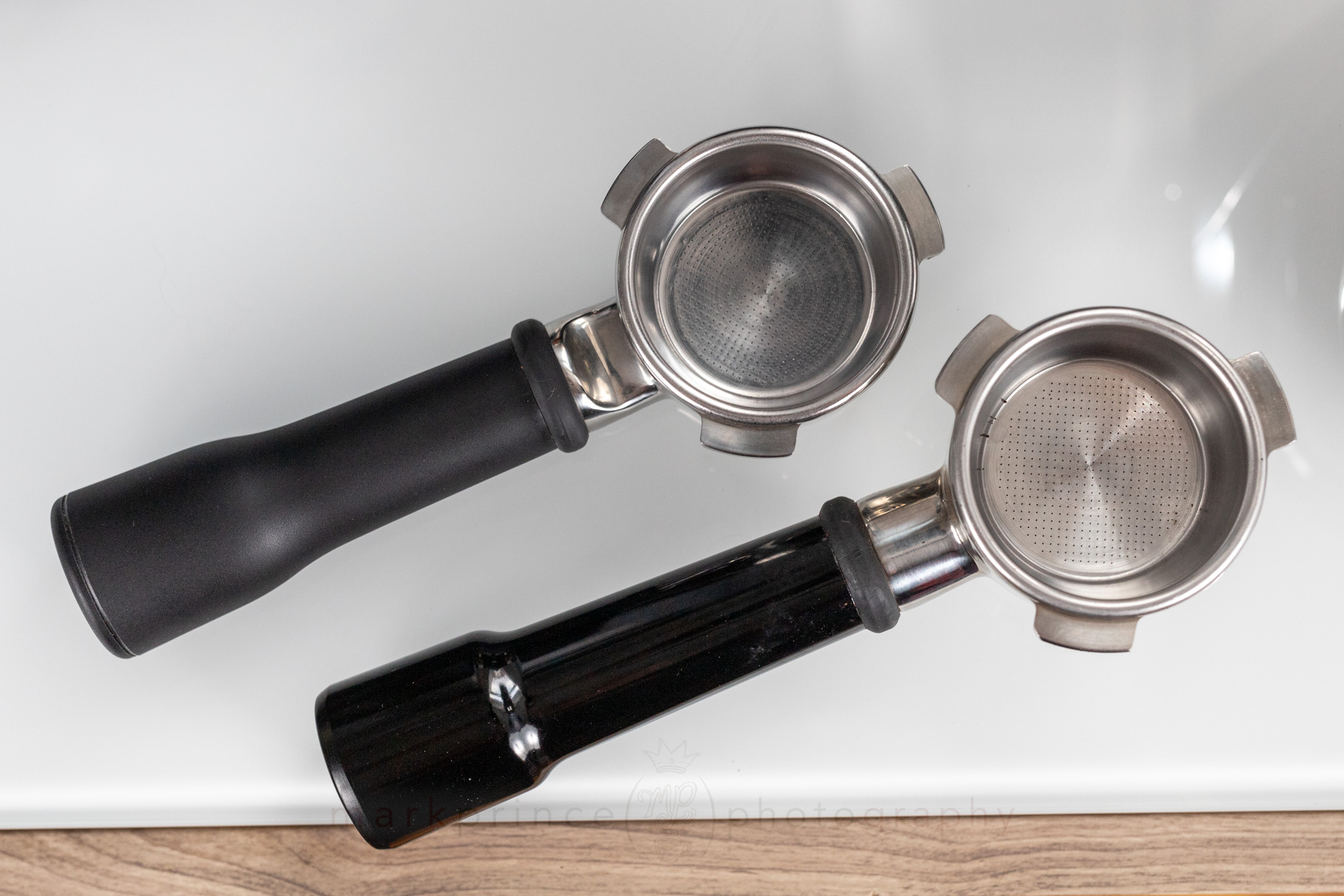
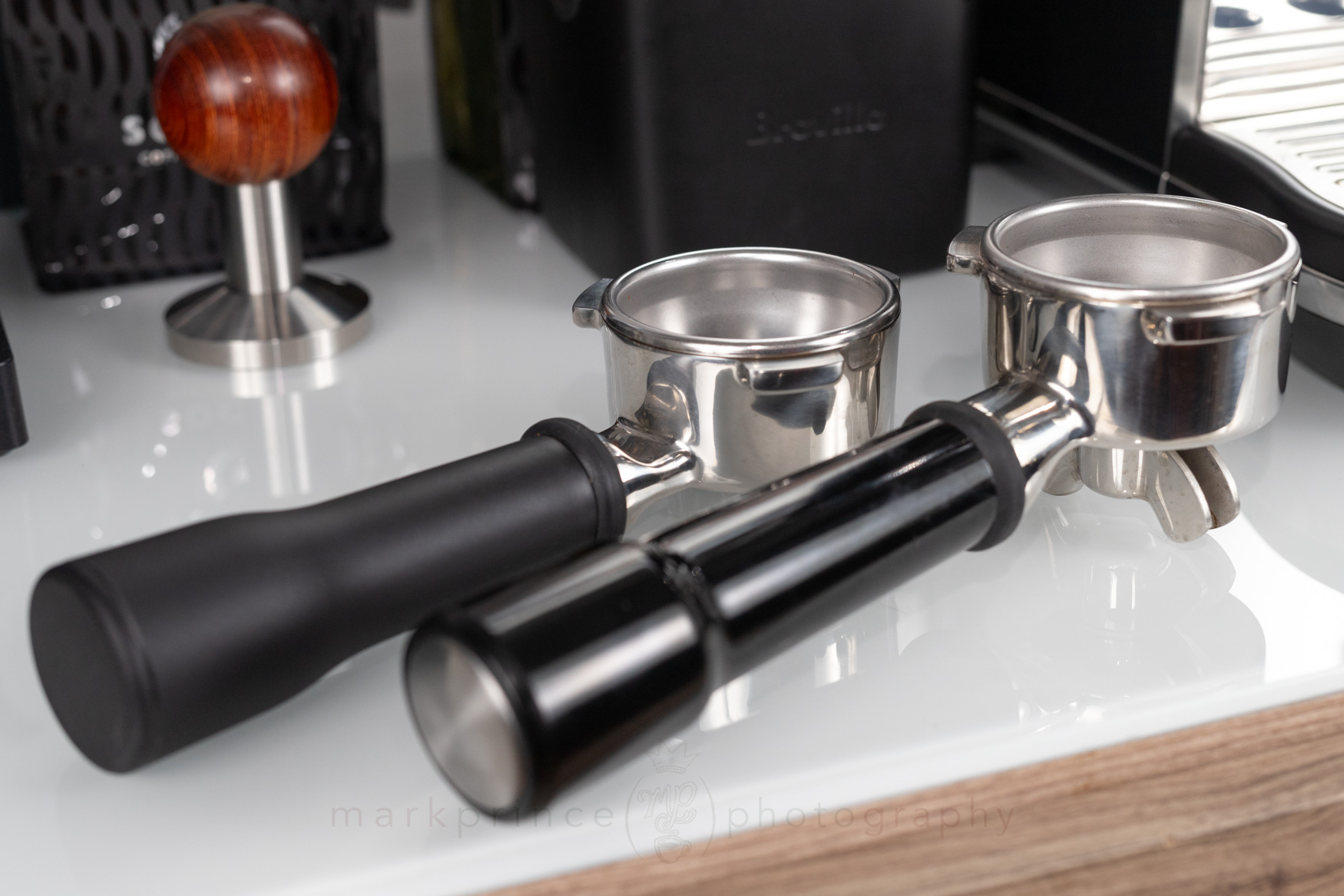
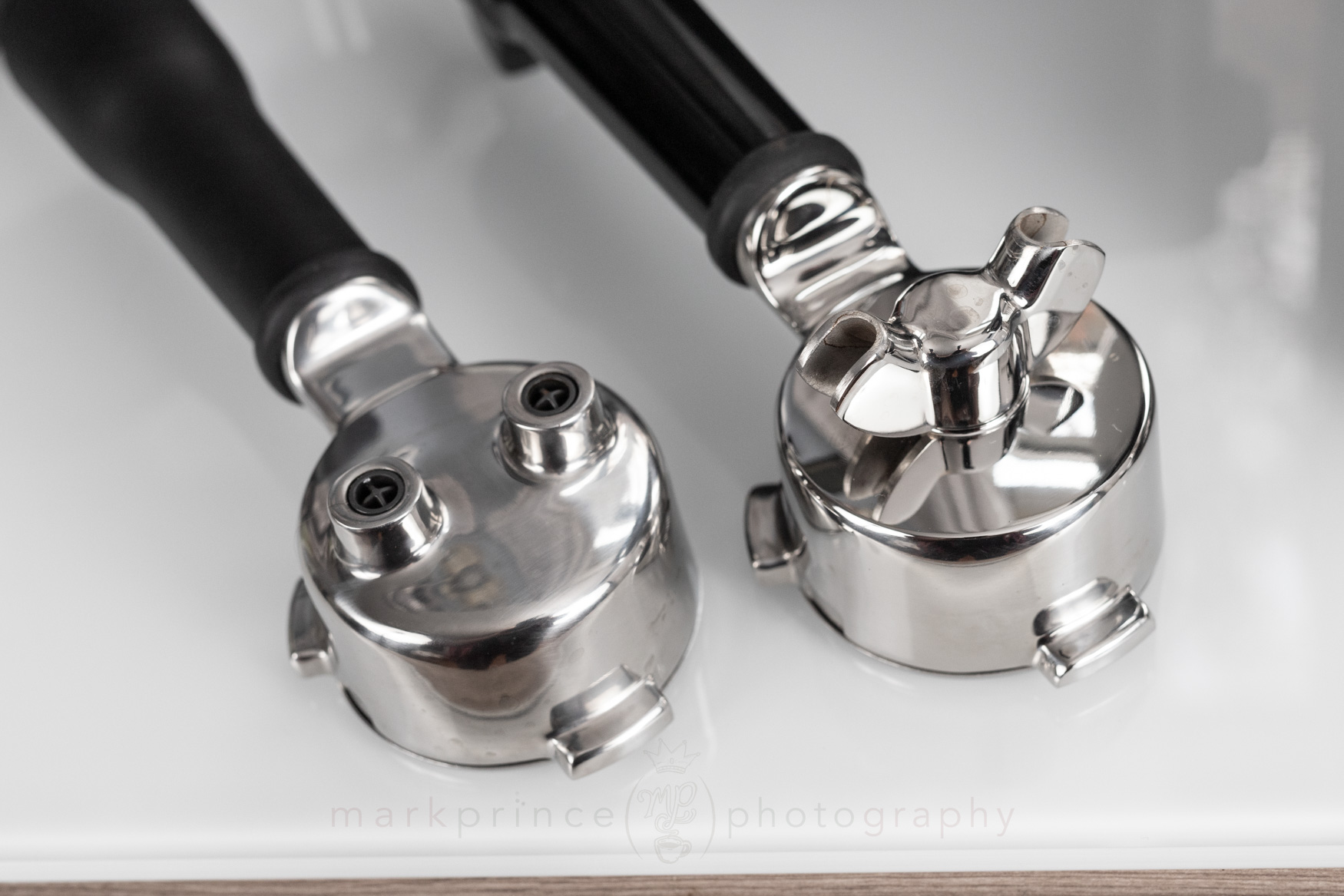
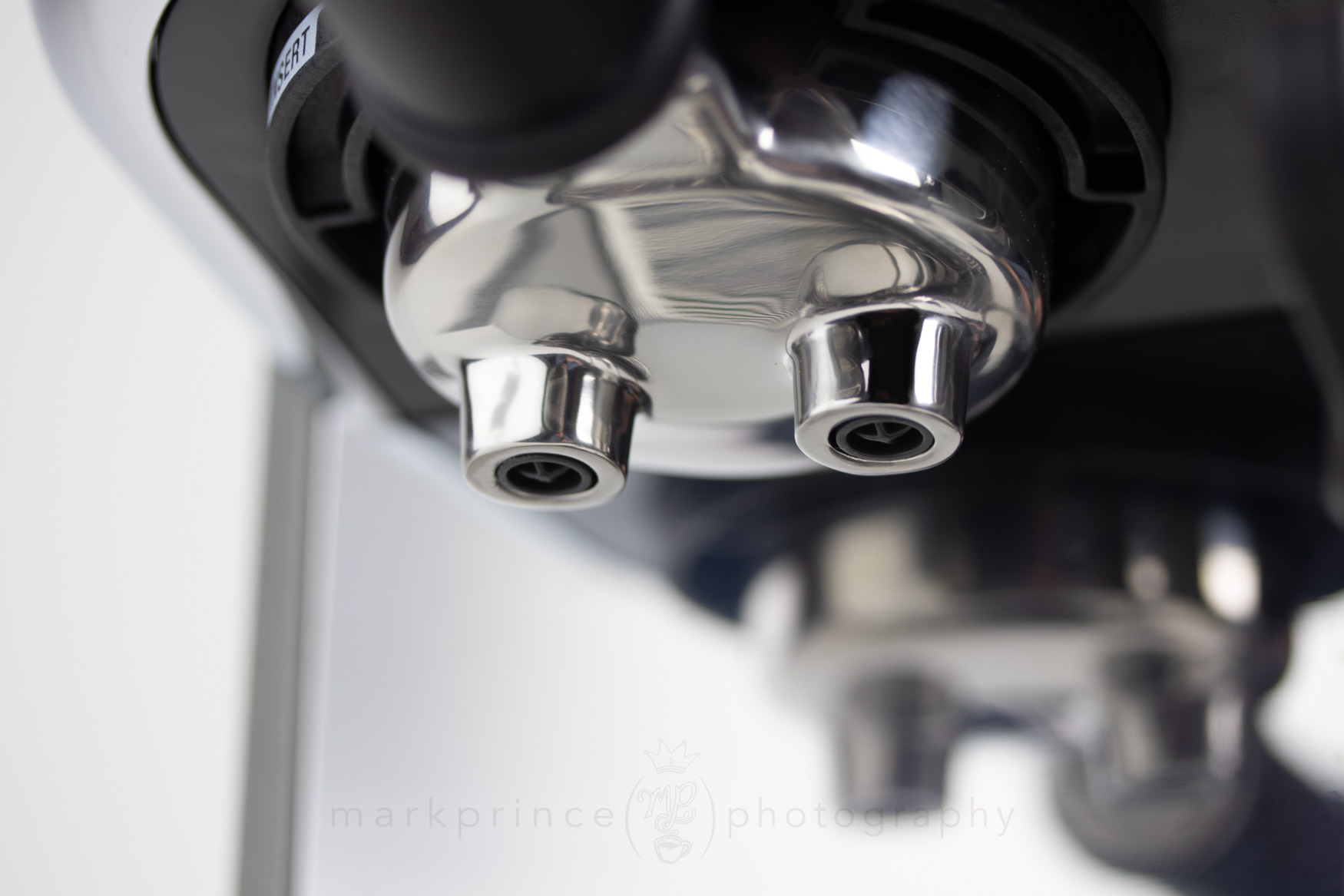
Where the machine is different is the portafilter. Breville basically has 3 different designs of 54mm portafilters in their inventory, and the Bambino Plus model is in the middle of the pack in terms of quality and features. Where the Barista line of portafilters are more “premium” with removable double spouts, long weighted handles with nice detailing (a brushed steel cap at the end of the handle, for example), the Bambino Plus PF is more basic in the handle design, shorter, and lighter. While it is also made of steel, the spouts are built into the metal of the portafilter, and are not removable.
That said, at least it isn’t aluminum… any more. It was for a brief moment when the machine was first introduced, but they quickly changed to steel for the main material The Bambino (non Plus version) still comes with that aluminum portafilter to this day.
The steam wand, which will be covered more below, has only one direction of movement – directly out forward from the machine on an angle, or pushed back so it points straight down to the drip tray. It has a four hole (tight pattern) tip on it, which works great, though aftermarket tips are available and compatible.
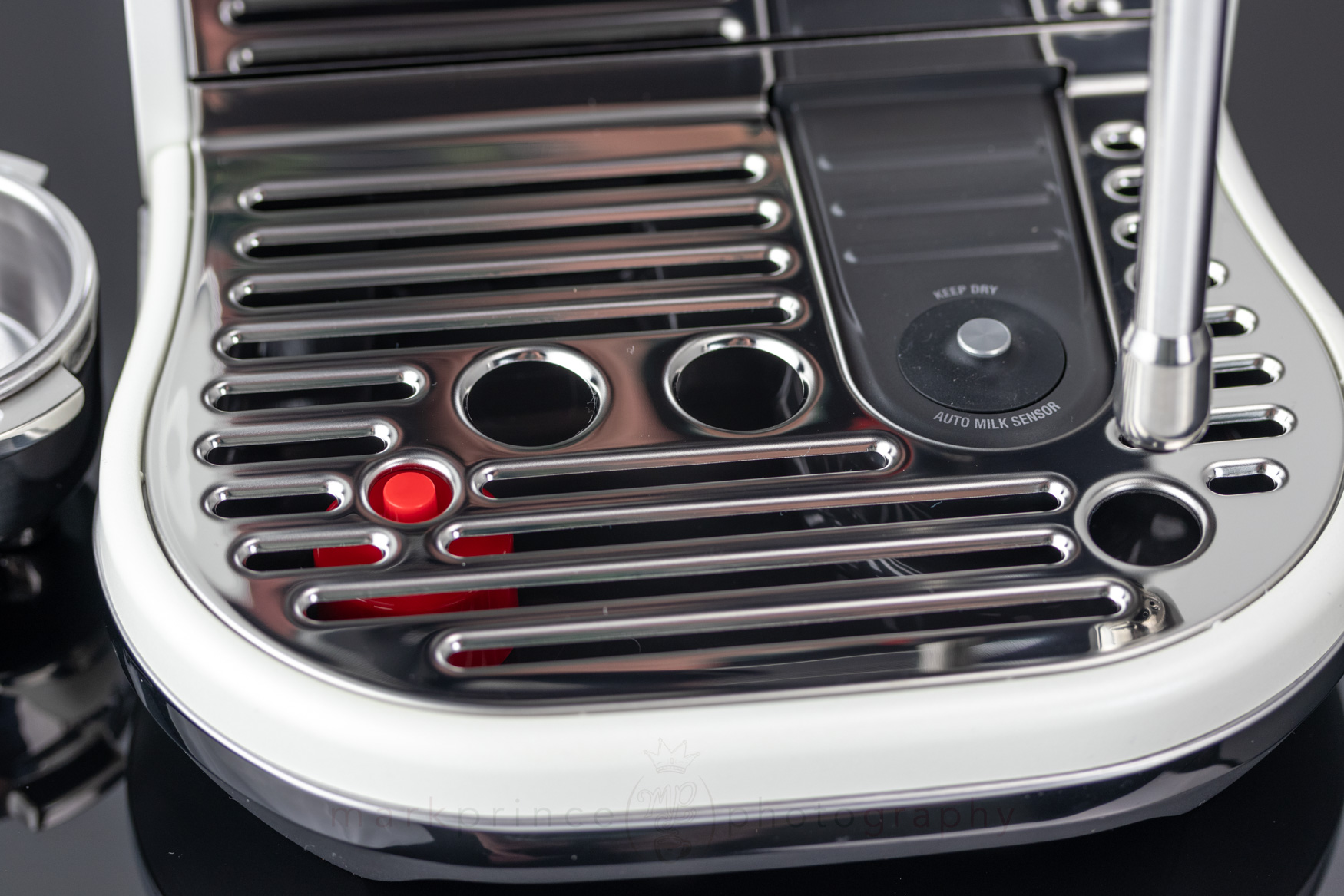
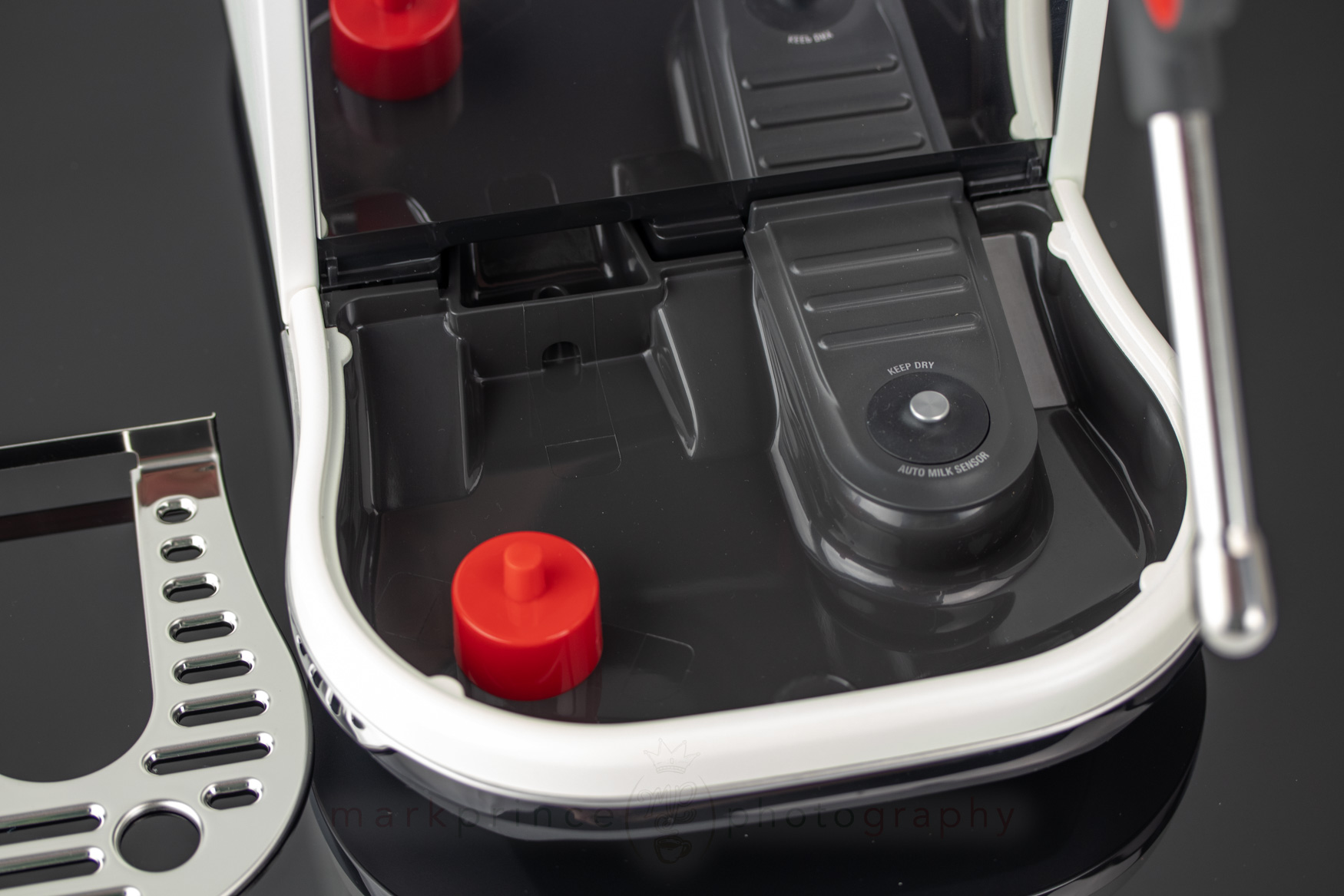
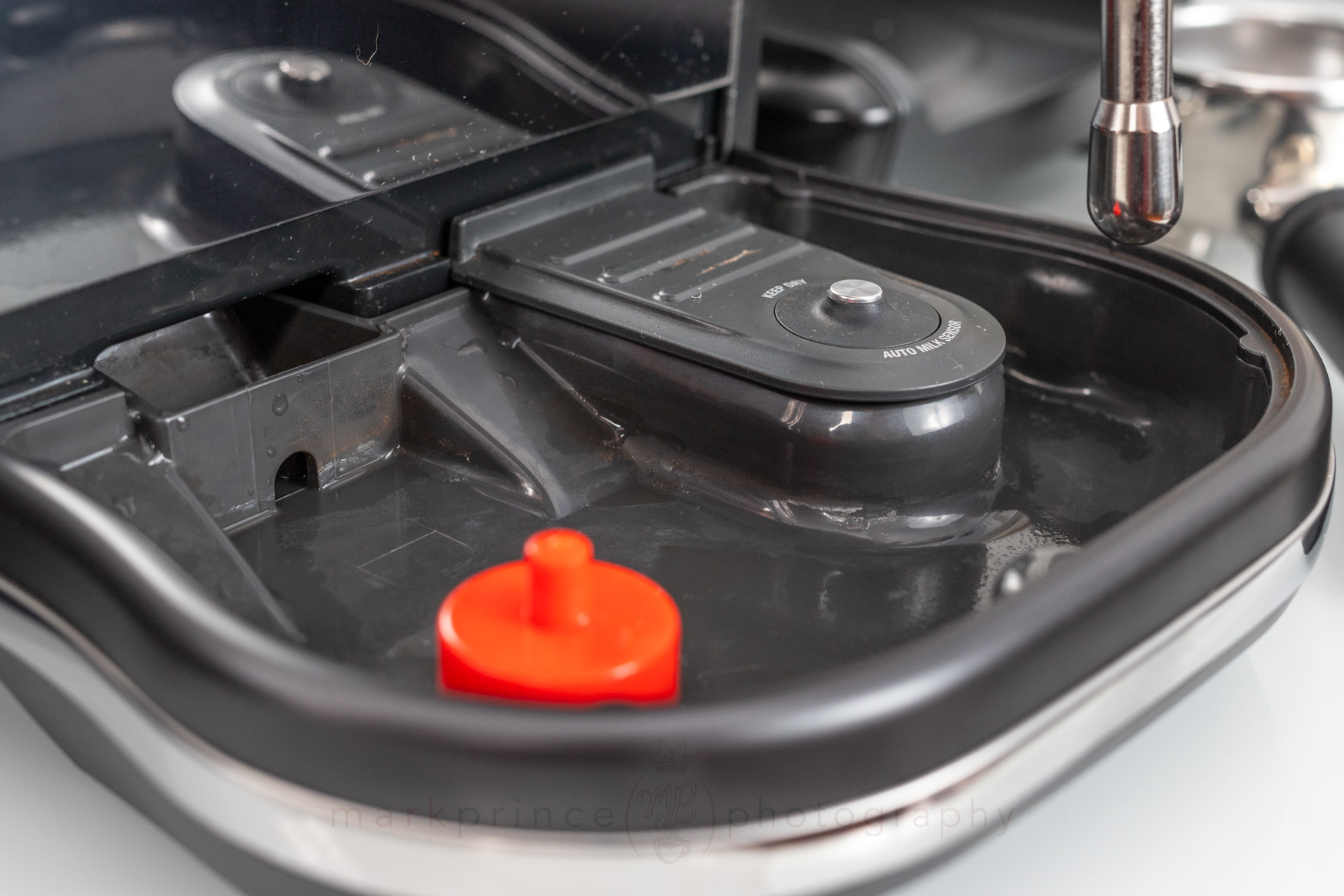
The drip tray is where you really start to get hints that the Bambino Plus is a technologically advanced machine.
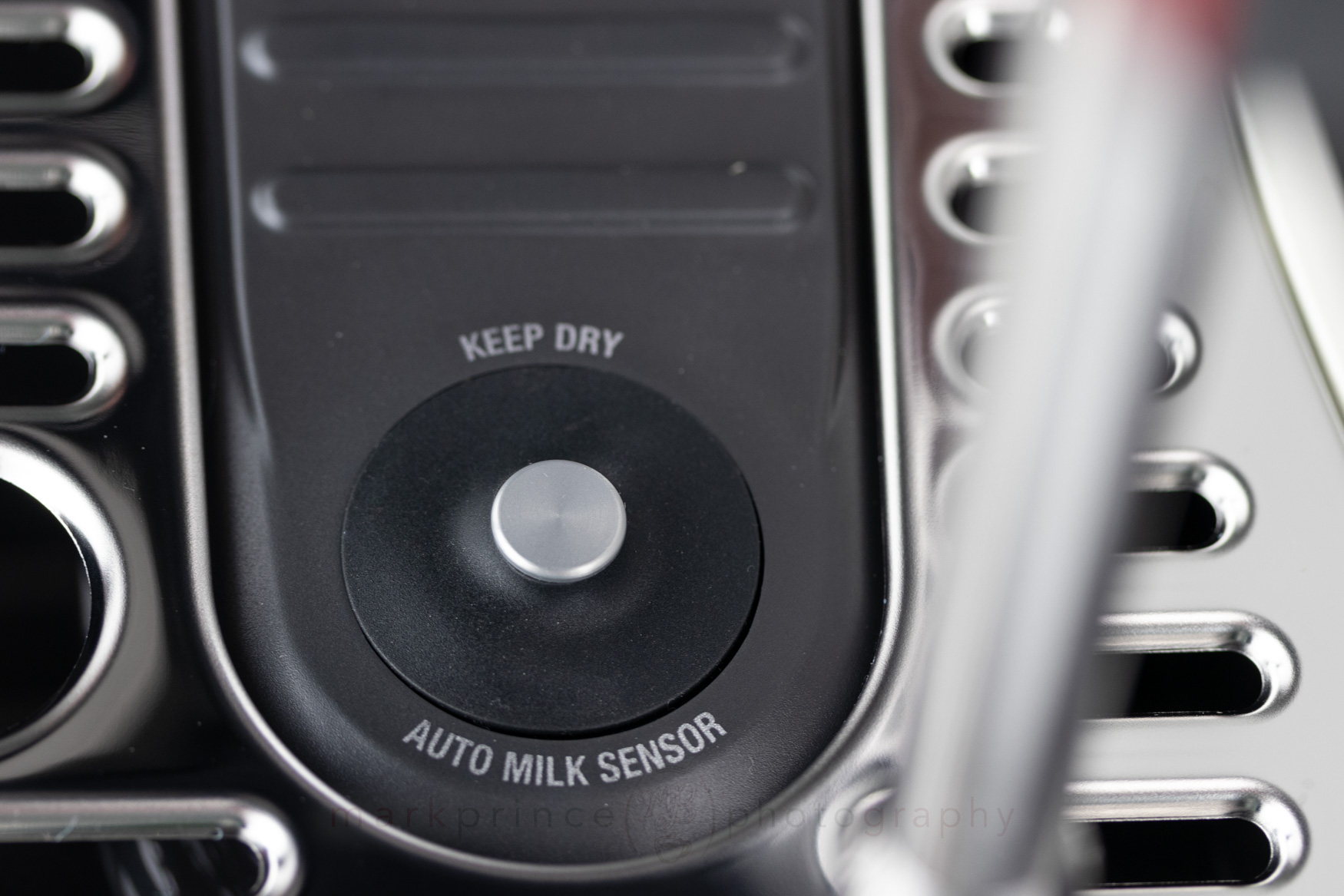
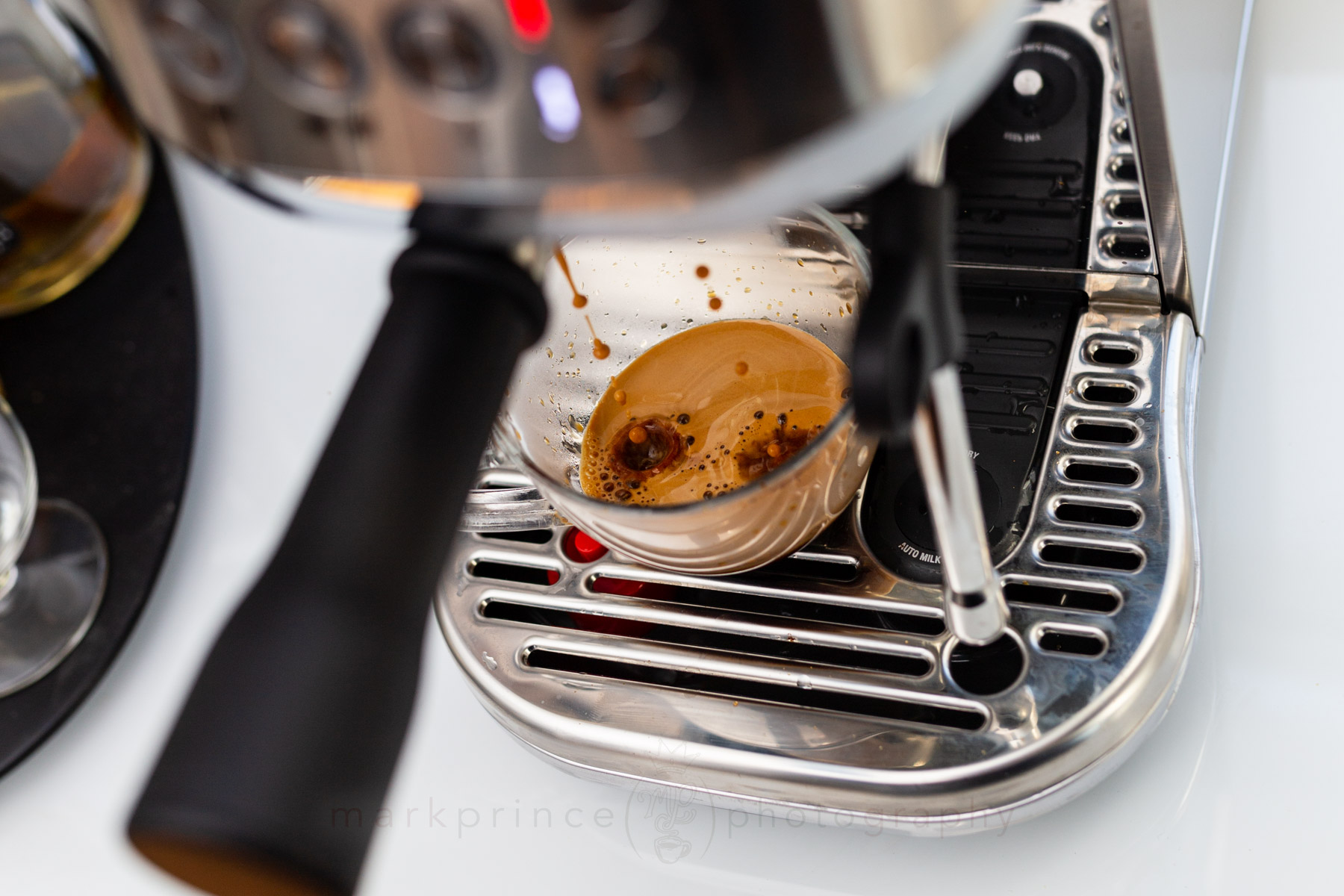
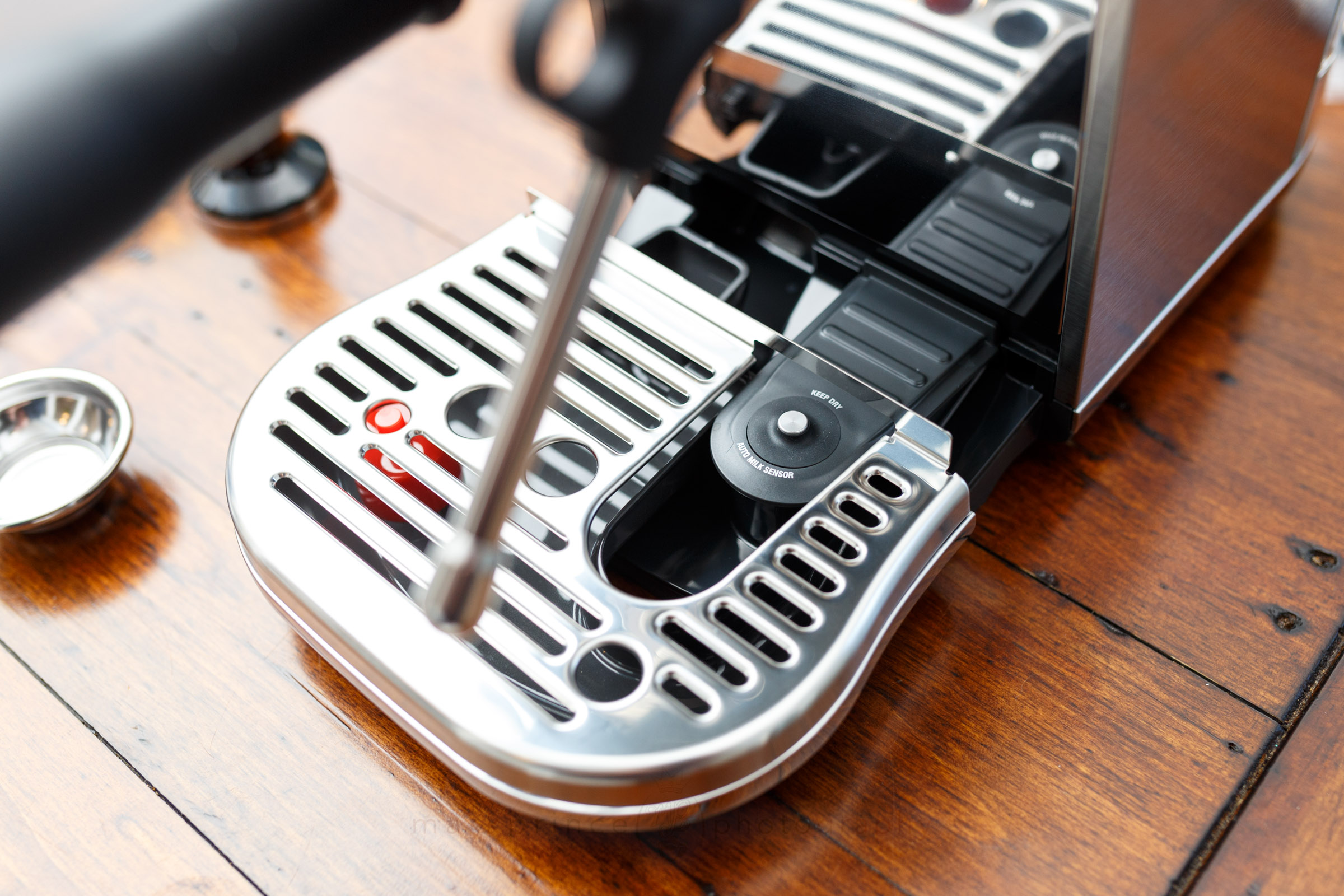
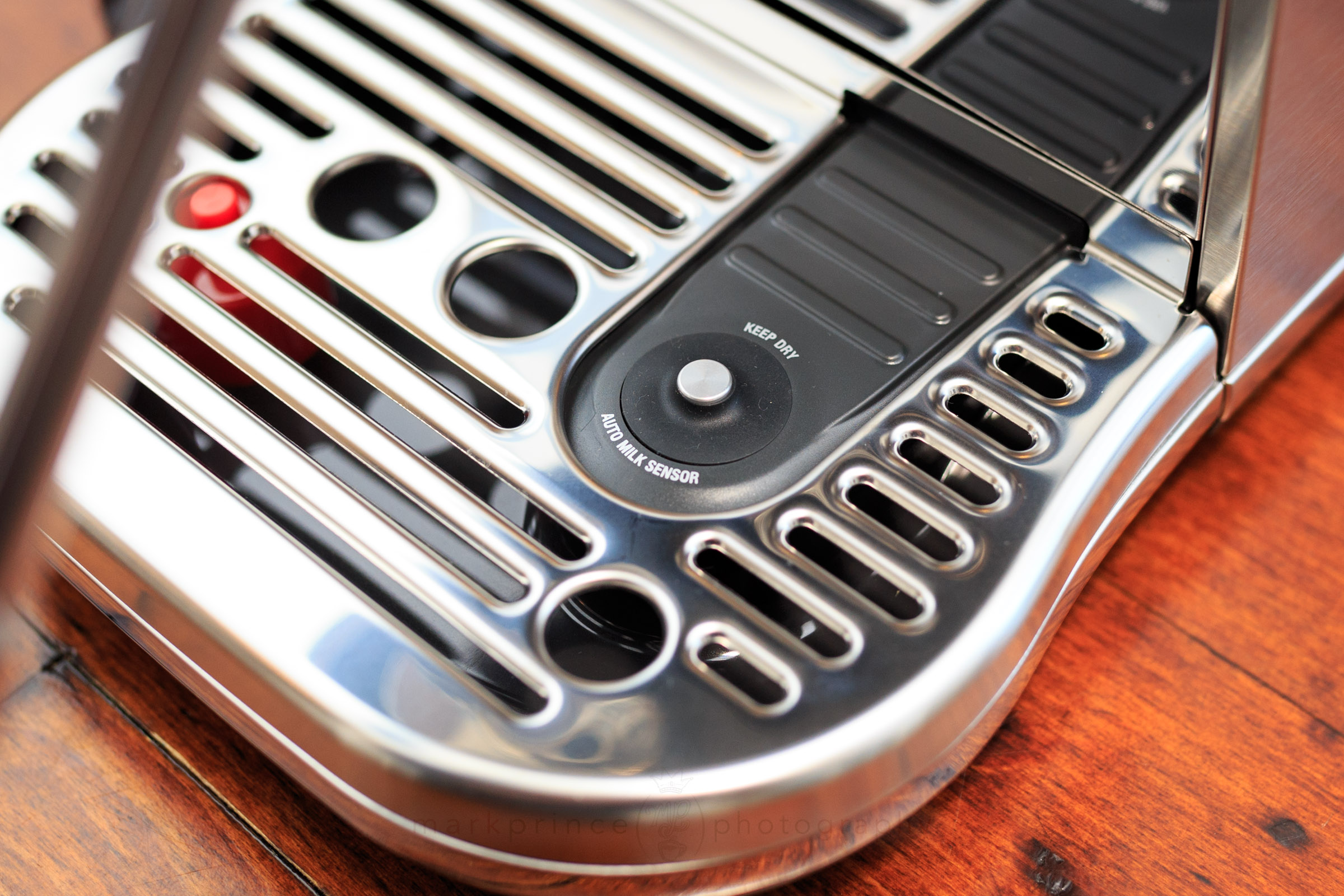
There is an unusual protrusion coming out from the machine’s main body on the right side of where the drip tray fits in. Indeed, the drip tray itself is designed to wrap around this protrusion. This is, of course, the steam pitcher temperature sensor, built right into the machine. It is designed to work with flat-bottom steel steaming pitchers, and thankfully Breville provides you with one.
When the the drip tray and drip cover are in place, it looks like it is part of the actual drip tray design, because of the tight tolerances Breville has achieved in the Bambino Plus.
The sensor serves two purposes, one not so obvious. First, it actively reads the temperature of your steaming pitcher’s skin while milk is being automatically steamed by the machine. This is how the Bambino Plus can deliver auto-steamed milk to 3 different temperature settings; shutting off the steaming system once it approaches your preset temperature. The second purpose is to simply sense if the steaming pitcher is in place and in contact. If a steaming pitcher is not placed on it, when you activate the steam function on the machine, the machine enters “manual steaming mode” even if the wand is pointed down at the drip tray.
The drip tray itself is almost comically tiny. Get ready to empty it after almost every shot pull on the machine, due to it’s roughly 135-150ml capacity. Because the Bambino Plus has a 3 way solenoid pressure relief valve, it will flush out excess water after your shot pull to the tray. I feel Breville could have made this tray bigger through some design tweaking. There is a red float valve indicator to show you when the tray is full. You’ll see it pop up every double shot or two.
The drip tray cover is finished to Breville’s usual high standards, putting brands like La Marzocco and their “basic” drip tray covers (that they charge $100s of dollars for) to shame. I did notice that the Bambino (non Plus) model has a much cheaper drip tray cover when compared to the Bambino Plus, so the company spent some money here.
The steaming system and wand itself is a thing of beauty. I still can’t believe in 2018, they introduced this system on a machine you could buy for as little as $450. The most impressive thing is it produces genuine microfoam, automatically, for your attempts at latte art. It is also powerful (for the machine type), nearly instant starting after a shot pull (no waiting 75 seconds for the boiler to heat up to steam temperatures), and it even self-cleans after automatically steaming and frothing your milk (you still need to wipe the exterior of the wand).
You can also steam manually. Just extend the wand, press the steam button, and steam like you would on any other machine. The auto system is disabled for this, but it steams like a champ.
As a hot water system, it delivers okay hot water; I measured it around 170F (75C), if you practically submerge the wand in the cup as you pour out 100ml for your americano. The button press to get hot water is the most annoying thing, but at least it has this functionality. Many machines at this price point do not.
Because this machine is very small, I was worried it would slide around the counter top quite a bit, but Breville put grippy feet on the base; it sticks almost like glue to most countertops, including wood. I have been testing the machine on a glass countertop, and it stays put even when forcing the portafilter into the lock position.
The reason why this machine is an “instant on / instant steam” design (taking 3-5 seconds for both to occur) is because it is the first machine Breville released with their patented Thermojet heating system. We know a lot more about this system today thanks to it being in a half dozen Breville machines, and tons of Youtube videos and such, but in 2018, no one knew about this system.
Indeed, when they introduced it, I thought it was just a super-charged thermoblock system. That was a wrong assumption. I asked Breville’s Phil McKnight, President of Global Beverages for Breville, about it, back in 2018:
(We call it) a thin film flow through heating system. It's like a printed circuit that forms the element, with an enclosed water path bonded over the top of this substrate. (The result is) water heats up instantly, and more importantly, we can control the water temperature dynamically and in real time to within less than .2C of our optimum brewing temperatures.
Phil McKnight
Yeah, that’s not any normal kind of thermocoil heating system. It also draws a lot of power for very short bursts: it’s rated 1560W max draw, and for our full review, we will have full power numbers for how the Bambino Plus and the thermojet run. Suffice to say, this thing sips tiny amounts of energy during most of its time on your counter, taking giant gulps for very short periods when active.
As mentioned, when the machine first shipped in 2018 it only came with pressurized filter baskets, and for a very short period, an aluminum portafilter. By 2019, it did include non pressurized baskets, but I asked McKnight back in 2018 why they didn’t include them. For the sake of historical purposes, here’s what he said.
This machine is initially being pitched at consumers who probably are not going to go out and buy amazing coffees and have a grinder on their counter; so we opted for the pressurized basket that will deliver an espresso that is acceptable when using store bought pre-ground coffee. By having the pressurized baskets as an option, then if you recognise their benefit and you want to grind fresh, then you have the option and the ability to do this.
Phil McKnight
This is particularly interesting because of how the Bambino Plus has evolved, and how it is perceived in the world of specialty coffee today. This is often considered as the primo, top choice as an “entry point” machine for those wanting to get serious about espresso. Quite different from who Breville was initially pitching the machine to.
Before moving on to our Usage section, there are a few last details about the machine to cover.
The included tamper is also basic and serviceable; it gets the job done. It leaves the option open for buying a top quality aftermarket tamper, WDT system, or other kind of leveler for prepping your coffee. At least there’s a decent tamper included in the box, one that isn’t a super cheap plastic afterthought (kof kof Gaggia!)
The steam pitcher is nice quality, has level markers on it, and pours well for latte art. At 500ml (16oz) it’s a bit big (I prefer 300ml pitchers myself), but can build multiple drinks.
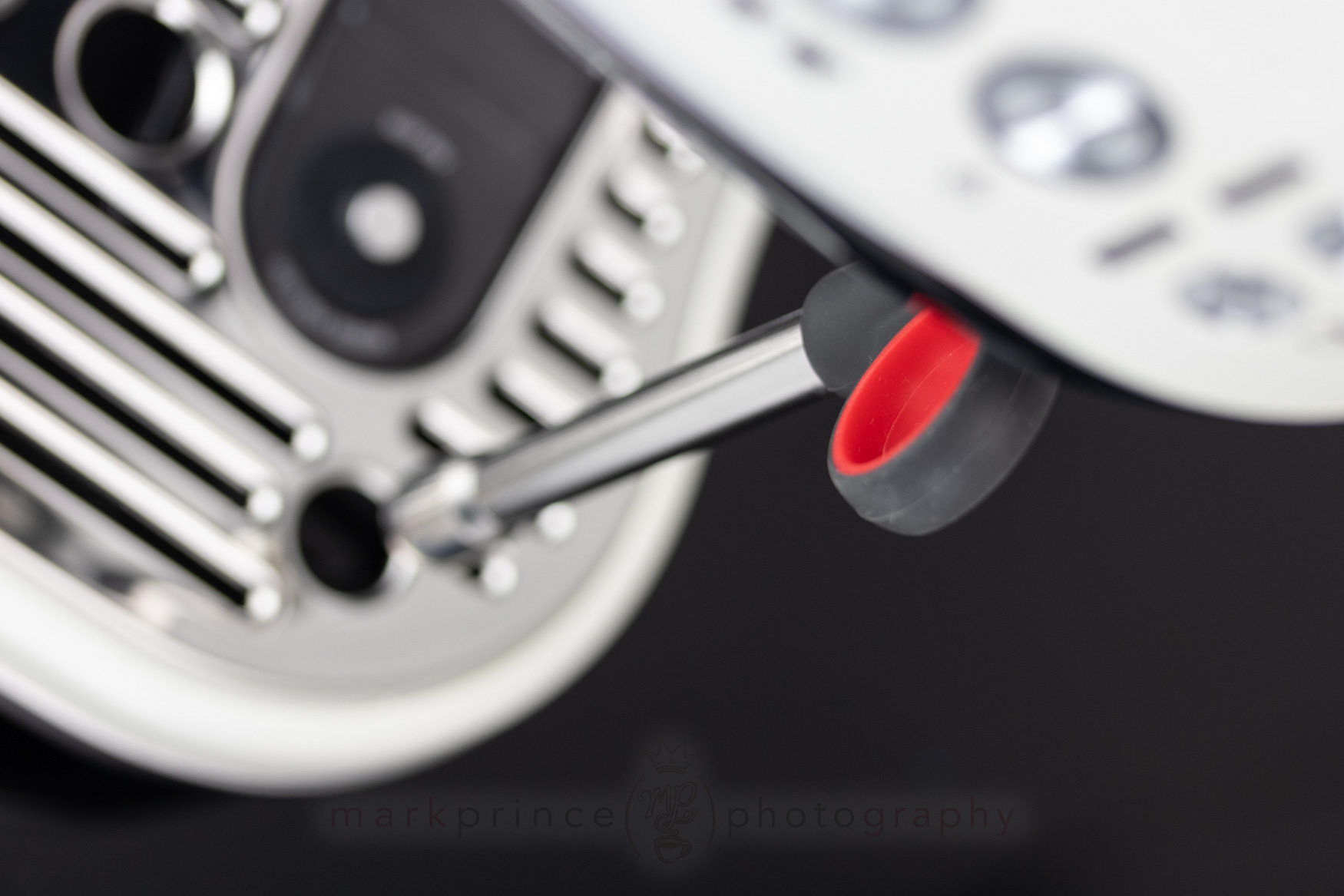
Under the water reservoir is a tiny multi tool for cleaning out the steam wand holes, or even removing the steam wand tip if you want for deeper cleaning.
The Razor tool is something Breville includes with all their non auto-dosing grinder and non grinder espresso machines, and is definitely one way to level your portafilter doses, if you want to use it. If you pair a grinder like the Breville Dose Control Pro (with the 1 second timer) up with the Bambino Plus, you will see benefit from the Razor, albeit with a bit of coffee loss. Here’s a short video on the Razor’s raison d’etre.
Subscribe to
Coffee Pulse
Join the 12,850 other coffee lovers who receive CoffeeGeek's premier newsletter. Each issue dives deep into one coffee or espresso based subject. Subscribing is free, and your personal information is never shared.
By submitting this form, you are consenting to receive marketing emails from: CoffeeGeek. You can revoke your consent to receive emails at any time by using the SafeUnsubscribe® link, found at the bottom of every email. Emails are serviced by Constant Contact

Support CoffeeGeek
If you enjoy and learn from this resource, please consider making a one time or recurring donation to help support our work and fund purchases for future reviews.

Using theBambino Plus
A 2024 Update: A lot of what you’ll read below is from our 2018 First Look. It’s been updated where needed (references to more recent machines, updates the Bambino Plus has gotten, etc).
Before we even get into this, a reminder: this is not a review we’re publishing here. It’s a first look, based on initial impressions and first uses of the machine. Any conclusions or opinion I draw from this early look could completely change by the time we publish our full review on this machine.
That said, I can’t get over how tiny the Bambino Plus is, especially considering all it’s got under the hood. We’re talking PID controls. We’re talking about a completely unique thermojet heating system that has the machine ready to brew a shot 3 seconds after you turn it on! And we’re talking about the serious bad boy element of this machine: a fully automated and customizable auto milk frothing and steaming system that uses traditional elements like a steaming pitcher and steam wand.
First Time Power Up
The first time you power up the Bambino Plus, it goes through a flush system to prime and completely rinse the thermojet system. Make sure you have a full reservoir and have a bowl and the steaming pitcher handy.
Place a bowl under the portafilter spouts, and put the steaming pitcher on the tray with the steam wand sticking into it. Press any of the three main buttons on the Bambino Plus to power it on. The machine will go through an automated rinse and cleanout of the thermojet, running about 750ml through the grouphead and steam wand. Then it is ready to use.
Normal power up is achieved via pressing any of the three main buttons. The machine does a series of internal checks (verifying all the internals are in working order, there’s water in the reservoir, the machine isn’t at a stage where it needs a cleaning or descaling) then it is good to go. This only takes about 3 seconds.
Automated Functions
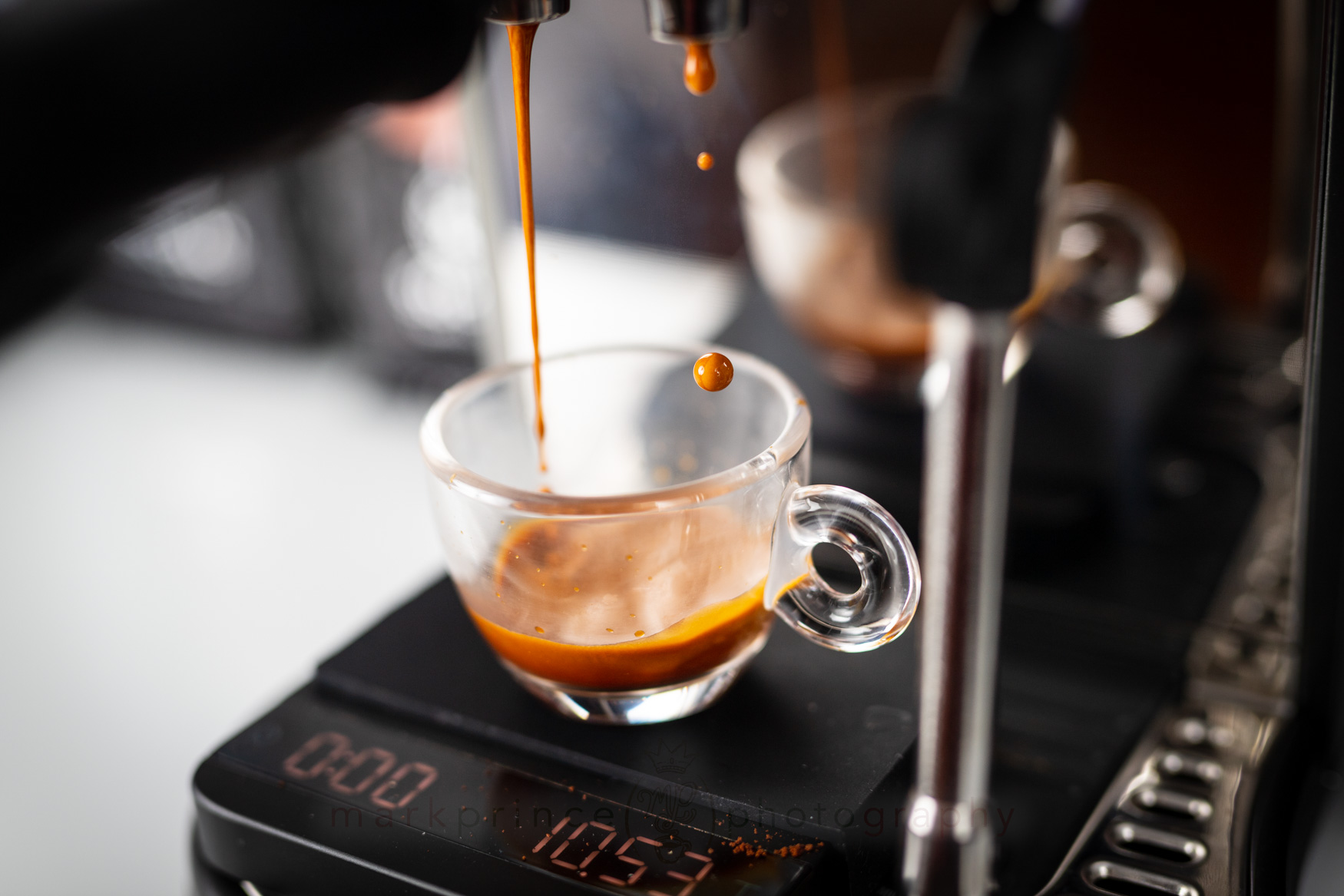
The machine is what is called an “automatic” in that you only have to press a button once and the Bambino Plus will brew either a single or double shot of espresso, ending the shot automatically. The machine is pre-programmed to brew a 30ml (1oz) single, and a 60ml (2oz) double, with a (roughly) 9 second pre-infuse mode.
You can program in both volumes if you prefer longer or shorter shots: the process is pretty easy. First, press and hold both the 1 and 2 cup shot buttons for 2 seconds; they will light up and flash. Then, if programming the single shot button, press it to start your extraction, and then press it again when you get the desired volume of espresso brewed. That new setting becomes your auto 1 cup brew setting.
You can also operate the machine in a quasi manual mode. Let’s say you want a double shot of espresso with a short preinfusion, but a larger volume of water used — maybe 75ml for the double shot. You’d do this by pressing and holding the double shot button as the machine starts preinfusing with lower pressure water. You can tell it’s going on because the pump is operating at a low setting. Once you’re satisfied with the amount of preinfusion (let’s say, 6 seconds’ worth), let go of the button, and the Bambino Plus ramps up to full 9BAR pressure to continue brewing the shot. When you get the desired amount of espresso, press the button again to end the shot.
The Portafilter is a bit tight these first uses, and takes some effort to crank over into the marked “Locked” position. It’s also cold if you power up the machine, so it makes sense to run a “flush shot” of just brewing water through a locked-in portafilter before loading it up with coffee; this will get the grouphead and portafilter nice and toasty and ready for espresso. If you’re brewing back to back shots, you only need to do this for the first one.
A word of warning here, following up from something in our unboxing section: the drip tray does not hold a lot of water. It will easily fill up with just one flushing shot to heat up the grouphead and portafilter, and one double shot pull. I like to rinse the portafilter after the shot is done (and the spent puck has been knocked out) which really overfills the drip tray. It’s one of the quirks of this machine you have to live with.
As a side note, I know one CoffeeGeek member who has actually “plumbed” in the drip tray on his Bambino Plus so it automatically drains through a hose, going down through a hole he cut in his counter, to a T valve he installed on his sink drain pipe. That’s friggin’ dedication. It also voids the Bambino Plus warranty!
Pump and Features
Breville’s done a good job isolating the Ulka vibratory pump in this tiny machine: it’s not quiet by any stretch, but certainly not as loud as some of the other sub $600 espresso machines we’ve been testing the past five years. Just in a side by side test, it is about the same noise as a Barista Express’ pump.
The Bambino Plus has a full pressure release system based around a 3 way solenoid valve, which for a long time was seen as a “premium” feature on machines in the $500 range. The non Plus Bambino does not have one, for example. This feature allows you to immediately remove the portafilter because any residual pressure at the end of the shot is released, via a dump of liquid to the drip tray.
Since 2019, the Bambino Plus can deliver hot water through the steam wand with a bit of a wonky double button press. You have to press the single shot button and froth level button at the same time. Get it wrong, and you’ll activate the single shot pull. The water comes out of the steam wand slow, but at around 170-175F (75-78C) as long as you hold the cup right up to the wand.
Transitioning between brewing and steaming is almost instantaneous, which is not only class leading at this price range, but pretty much exclusive to the Bambino Plus.
Speaking of that steaming system…
Automated FrothingBambino Plus
Of course, the true genius of the Bambino Plus is its automated frothing and milk steaming system. It allows you to froth milk to three foam levels, and to three temperature levels. Breville doesn’t tell you the temperatures, instead calling them “warm, ideal, and hot”, but for the full review, I’ll detail the temperature ranges of each setting, along with how much actual foam is used with fresh 2% fat milk.
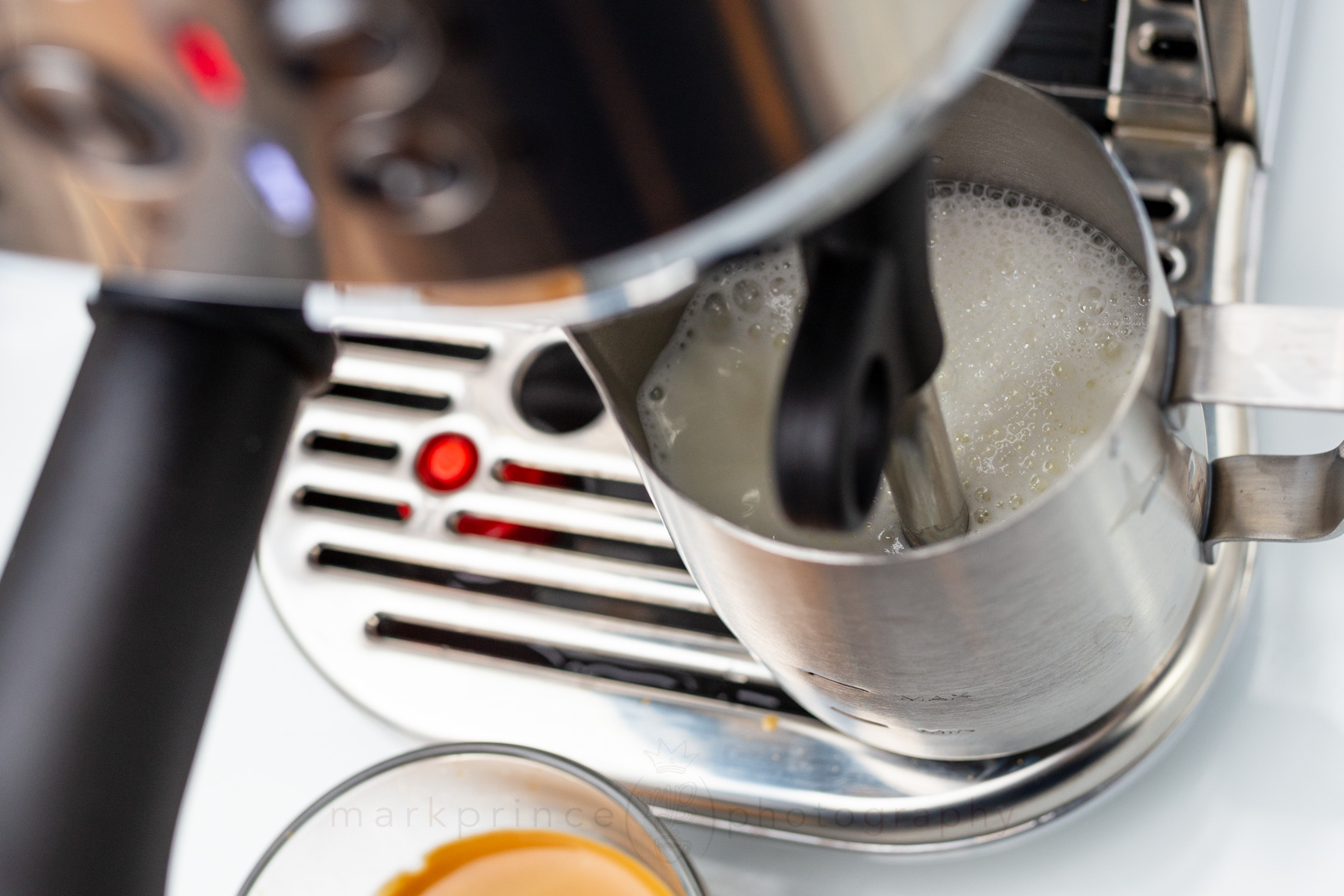
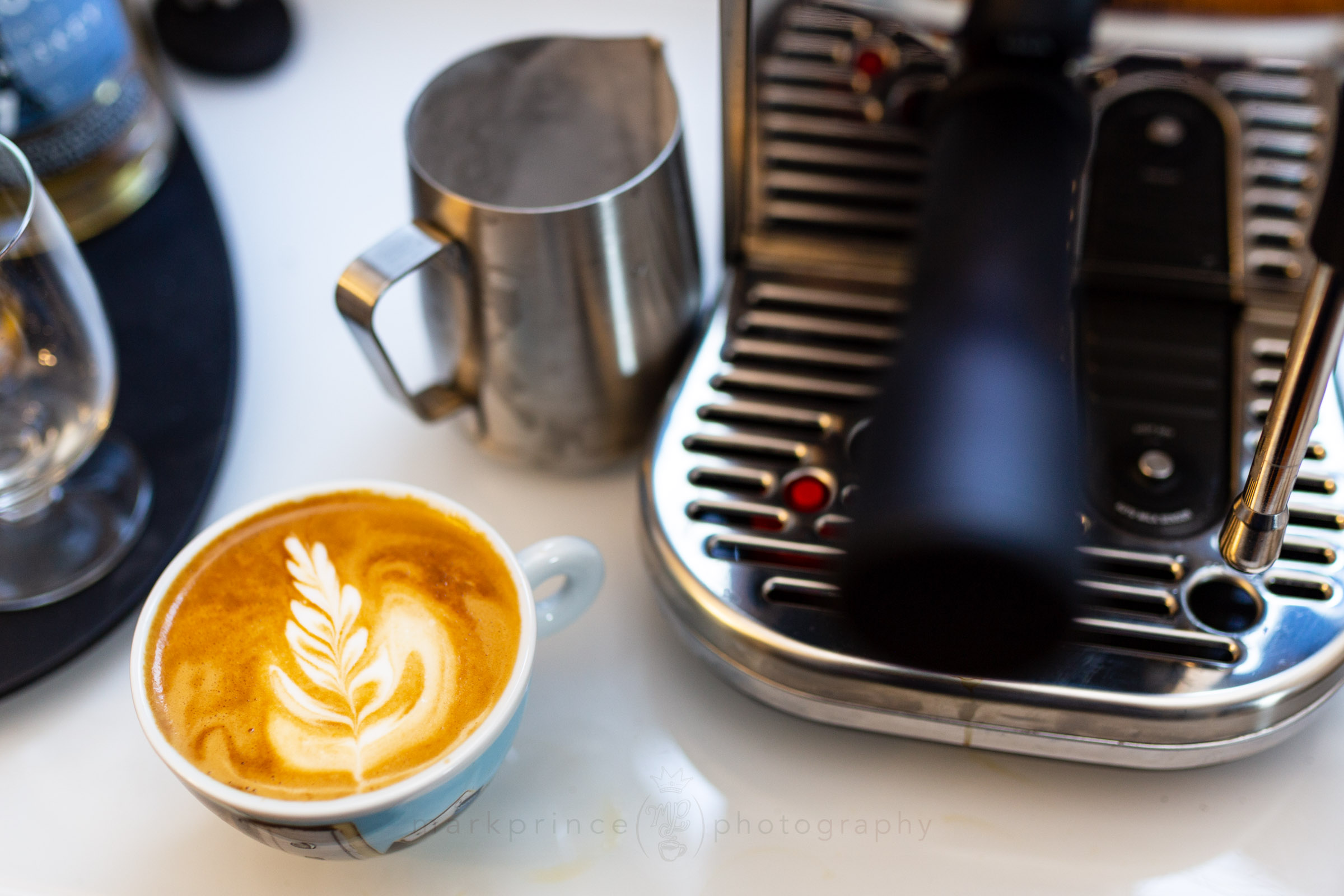
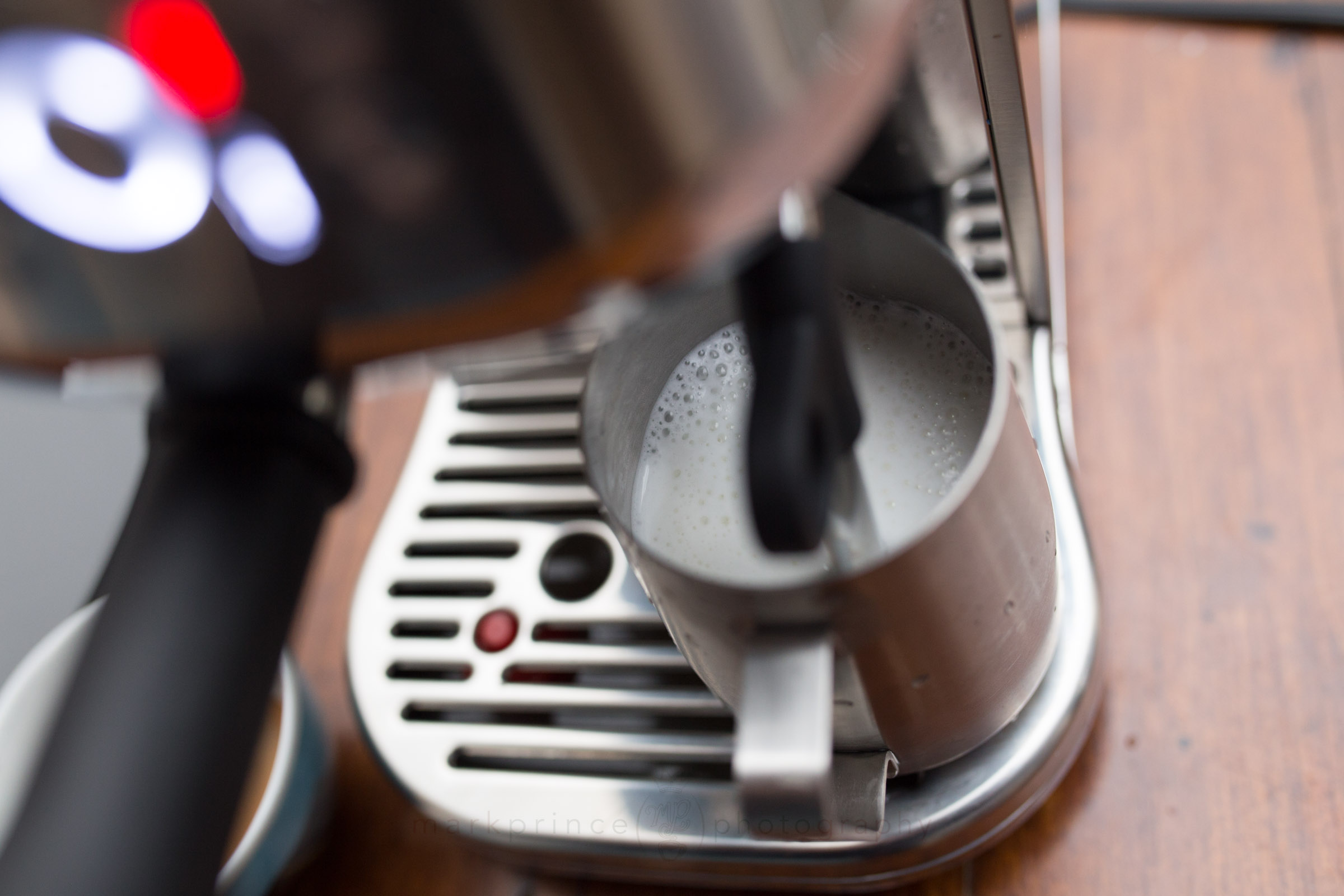
I’ll just get this out of the way quick: the innovative steam arm, without the need for external plastics, tubes or other things some Italian machines feature, called “cappuccinatores” or some other silly name, produces real microfoam. To three different levels. The lowest level creates latte levels of microfoam, producing about .5cm once settled in a 6 ounce cup. The middle level is good for cappuccinos, and the highest level produces a fair amount of microfoam, giving you dry cappuccino levels of foam.
What I especially like about the system is it can produce really good microfoam at a low temperature setting, high foam volume, from a relatively low amount of milk for use in macchiatos. Pourable microfoam. Or spoonable. Your choice.
Pouring latte art is a no brainer (well, if you have the skill — I keep losing it myself — to pour patterns).
Breville has patented the technology inside their automated steaming wand system; several patents for several different designs in fact. The Oracle’s automated steaming system is very different, as it has a temperature sensor and other trickery built right into that machine’s wand. On the Bambino Plus (and more recent Barista machines like the Touch and Touch Impress), the temperature sensor is in the drip tray area, but the wand itself has mechanisms for automatically opening and closing air flow inside to create more or less microfoam. These are all engaged and used during automated frothing cycles, and disengaged for manual frothing and steaming.
Transition time is brilliant. Seriously, this is almost like having a dual boiler machine. The wait time for steam ready is around 3 seconds. A purge of wetness from the wand is advised: just have the wand pointing at the drip tray, press the steam button, let it run to dry steam, stop, and insert your milk-filled steaming pitcher. Roughly 10 seconds after pulling a double shot, this machine (with the optional steam wand purge) will be frothing and steaming milk.
Steam power is pretty impressive. At the medium temperature setting, it will steam 180ml of milk (6oz) in around 40 seconds up to 65C.
The Bambino Plus even does an automated purge of the steam wand and system after you’re done. It’s activated automatically when you put the steam wand into the down position. It will perform it for both automatic frothing and manual frothing modes. You can also manually activate the purge function by pressing and holding the steam button for a few seconds.
Espresso QualityBambino Plus
When Breville first shipped the Bambino Plus with only the double wall pressurized filter baskets. I was disappointed. In fact, it covered a major section of this First Look. I even went so far as to tell McKnight it was the machine’s biggest mistake. Other early reviews said the same thing.
So lo and behold, within a few months of that review, Breville came to their senses and started including the standard single wall traditional baskets with the machine. This was a game change for the Bambino Plus, turning from an “introduction machine at home for those who want cafe-quality espresso without much fuss” to a true contender of the best bang for the buck, best shot producing machine on the market under $500.
Of course, things could be even better for the Bambino Plus, but it’s not bad on the espresso front. It is a PID controlled machine, so that means you won’t be fussing around with wild-swings in boiler temperatures, like a Gaggia Classic or Rancilio Silvia provide. The downside is, the PID isn’t programmable: you get one stable temperature, and that temperature is 200F at the grouphead. Great for a lot of coffee types, but too hot if you love extra dark roasts.
On the box and in their literature, Breville claims you can get 18-22g in their double baskets.
No. Way. In. Hell. is that possible. I’ve tried. The double basket is most comfortable with about 17.5g inside. You could buy bigger aftermarket 54mm baskets to get bigger doses, but it won’t happen with the stock one. But that’s okay. 17.5g is fine to play with, and you could go even less if you want to be more like the Italians and have less caffeine.
The other big achilles heel for the Bambino Plus is the grouphead is ice cold (okay, not ice, but room temperature cold) unless you run a lot of flushing shots through it. You should run at least one full double blank shot with the portafilter in place to warm things up. We’re only brewing 30 to 60ml of liquid here, and all that metal in the portafilter and grouphead will leech off temperature from those small volumes. Back to back shot pulls don’t need this flush after the first shot, but if you want your espresso to be top shelf, do it anyway.
Breville tuned the OPV inside to produce around 9BAR at the grouphead; it previously did up to 12BAR. This is a welcome change. I know why manufacturers want their OPVs higher (to compensate for poor grinders / coffee ground too fine / etc), but if the goal is the best shot possible, 12BAR is too much pressure if you nailed the grind.
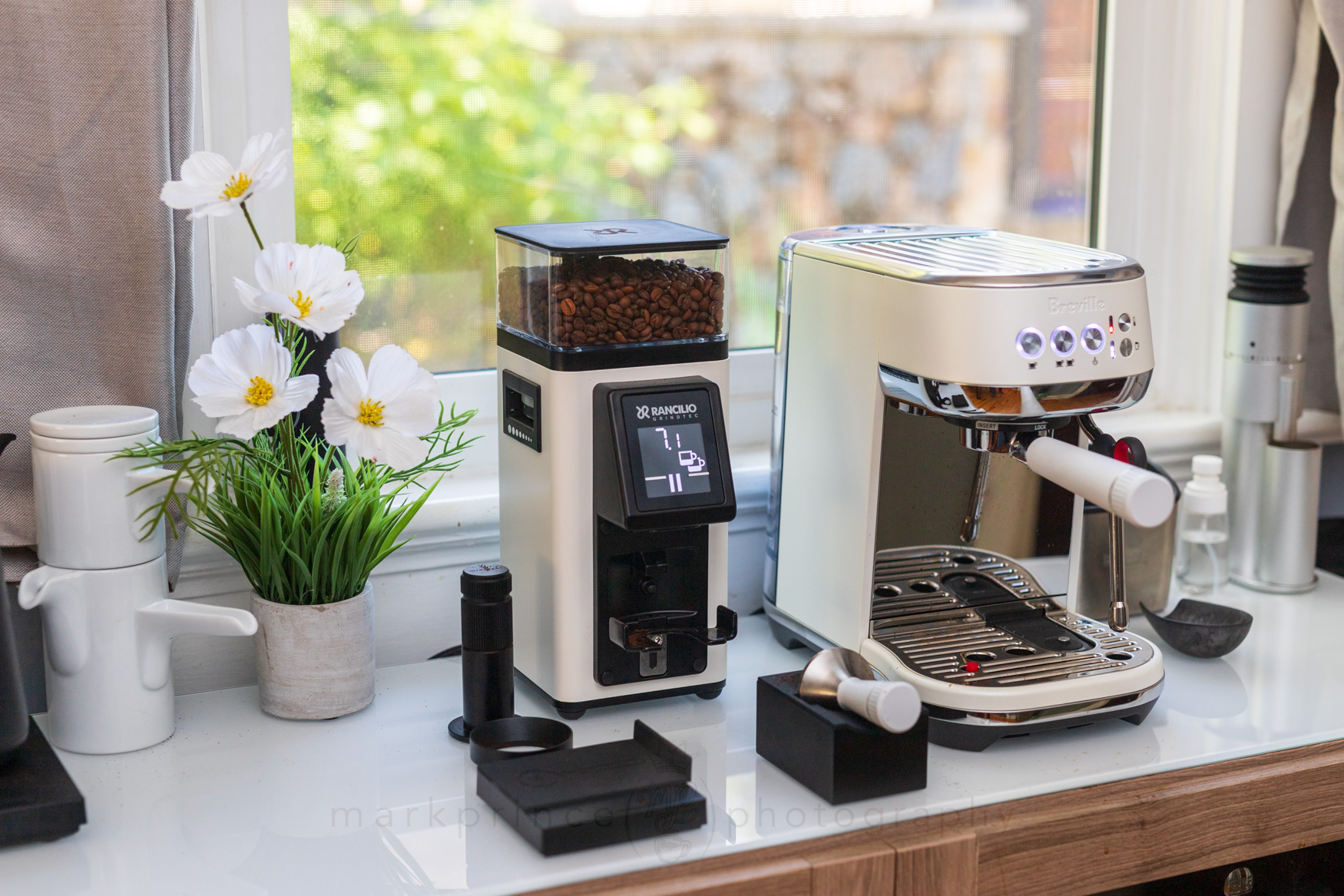
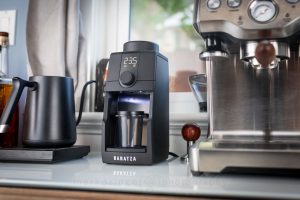
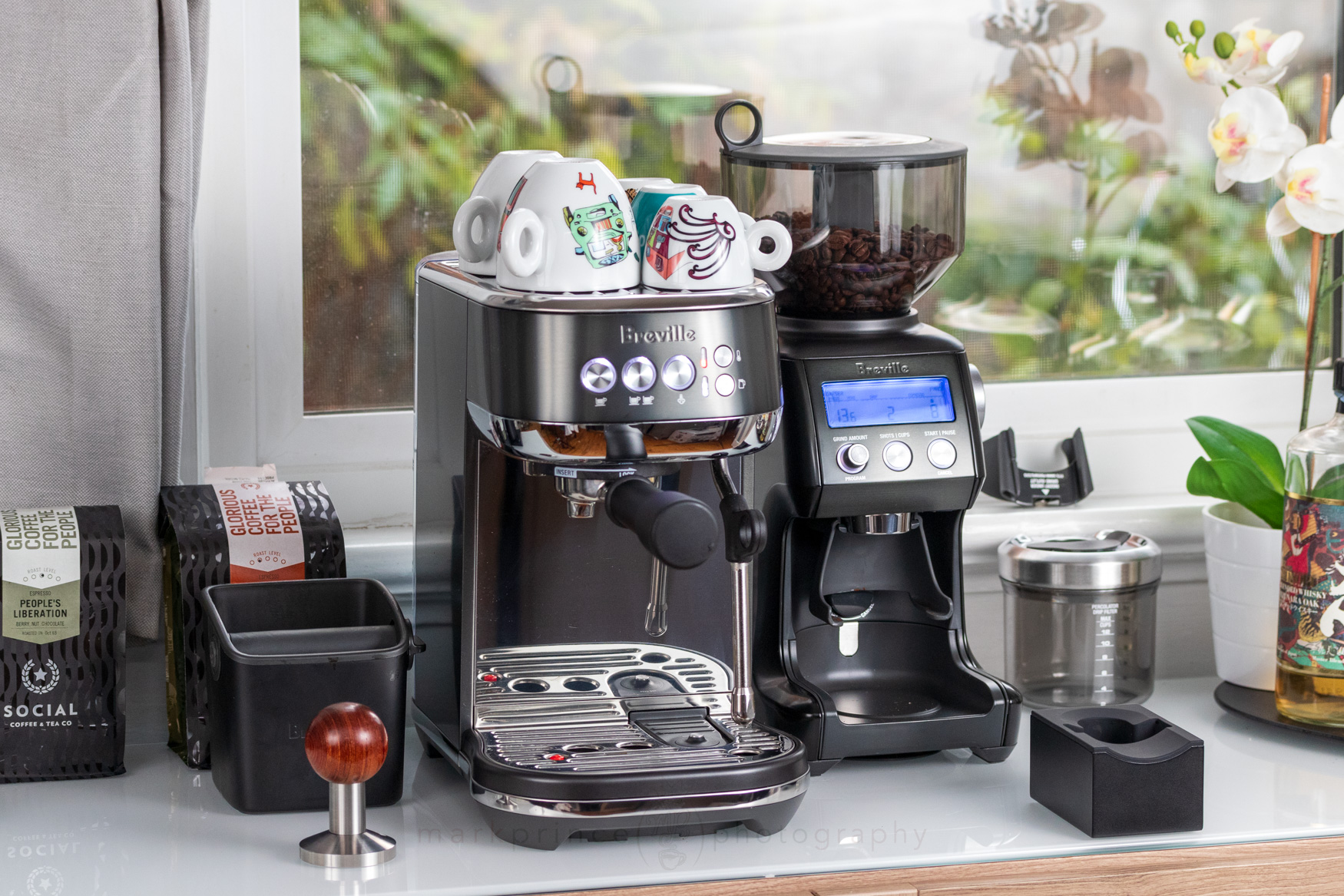
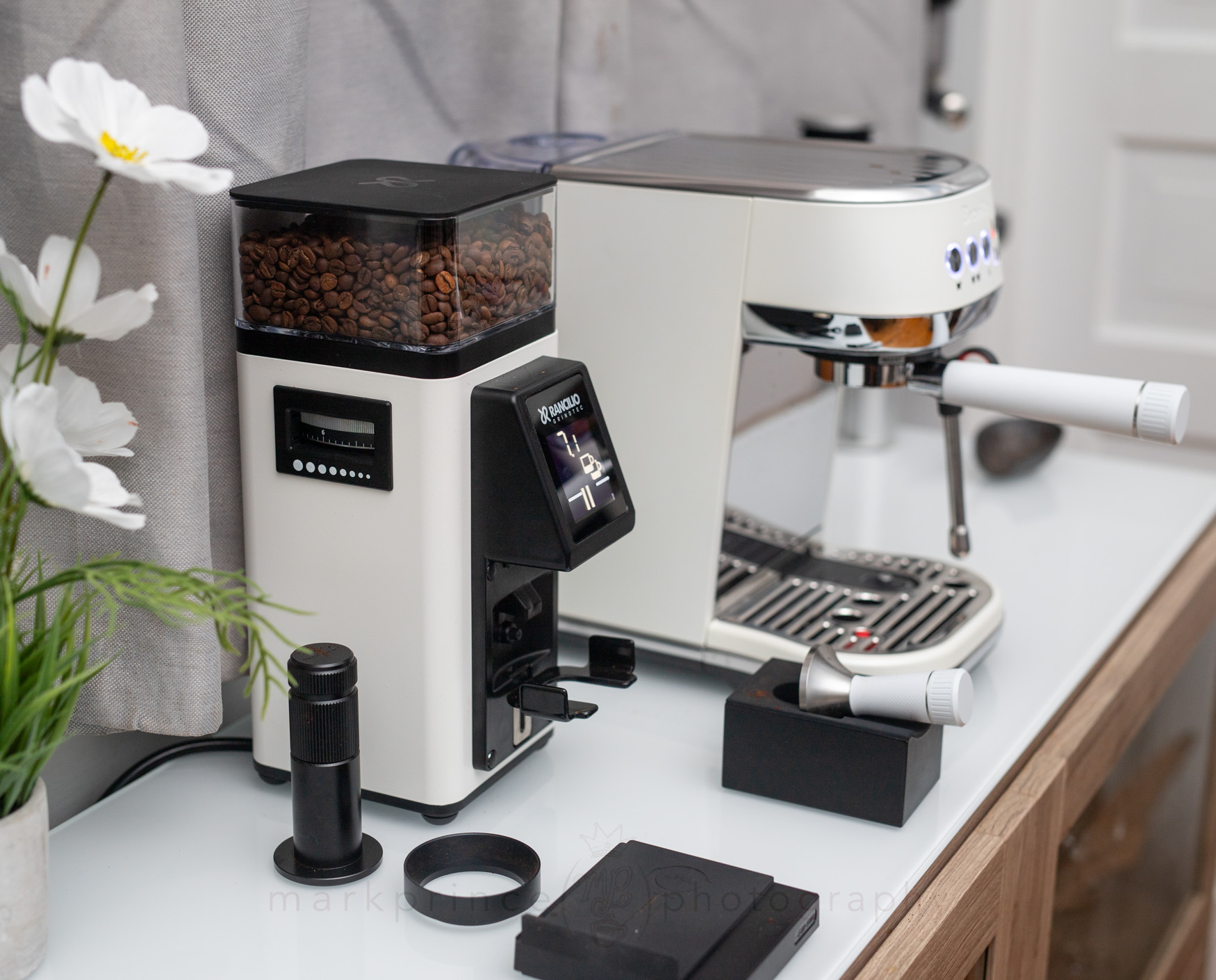
Paired with an exceptional grinder (I mean, look below – I currently have the Bambino Plus paired with a $700 Rancilio Stile grinder!) the Bambino Plus will produce 4 and 5 star espresso shots. All day long. Just deal with the machine’s quirks, enjoy the rapid on and transition times, and you’ll love the output. In the full review, I’ll have more details on the workflow, and whether or not an aftermarket chopped portafilter is a must have for this machine (hint: it is).

Support CoffeeGeek
If you enjoy and learn from this resource, please consider making a one time or recurring donation to help support our work and fund purchases for future reviews.
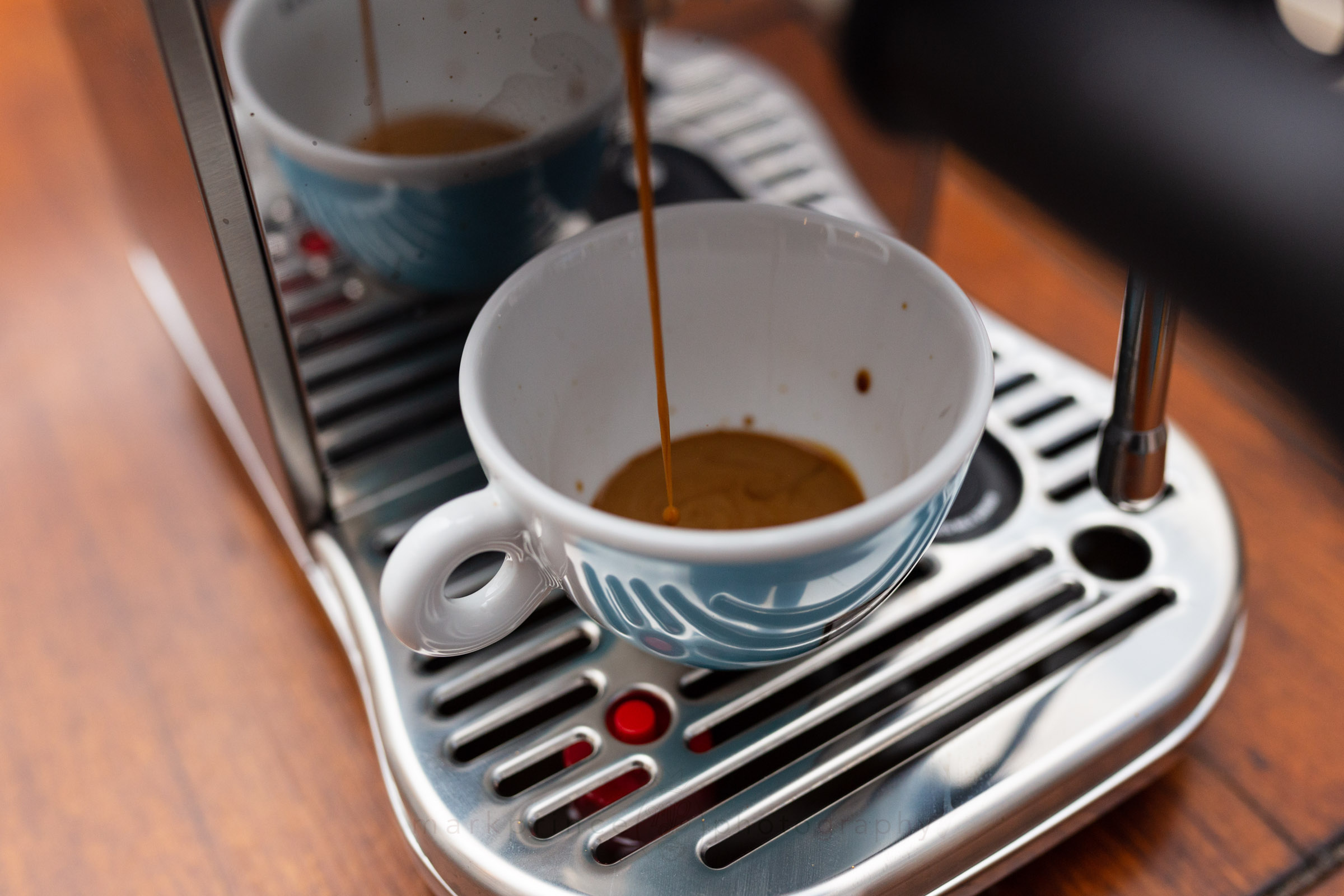
ConclusionBambino Plus
The Breville Bambino Plus had an interesting introduction, intended from the get go to be Breville’s “entry point machine for people who don’t want to fuss too much” to get ‘cafe-calibre espresso based drinks’ in the home. You can see that in the 2018 quotes from Phil McKnight, above.
Instead, it has morphed into quite literally the best espresso machine you can buy today under $500, if all the pundits (myself included) are to be believed. The fit and finish alone put it on its own level. The features are completely unmatched. I’ve seen Delonghi try to match this machine and they don’t have a hope with their hobbled-together auto frothing systems. Even Gaggia is trying, by including their automated milk frothing systems in on a bundle with the just-released $250 Gaggia Espresso Evolution machine, bumping the price to $325 (first look coming soon).
This machine has a ton going for it, from the range of colours available (our current favourite is the Sea Salt White model, though the Damsel Blue one is quite nice too), to the excellent PID stabiity, instant on / instant steam ability, programmable volumetric shot pull buttons, automated preinfusion that can be manually controlled in manual shot mode, 3 way solenoid valve, and the addition of hot water ability.
The Bambino Plus also comes with a ton of accessories, in the box: four filter baskets, a tamper, a steaming pitcher, cleaning tablets, a descaler, a Razor tool, and even a tool for cleaning and maintaining the steam wand. Missing is a water filter, but the Claris Filter Holder Kit direct from Breville ($8) works with this machine, and you can buy some relatively cheap third party filters.
Don’t forget the range and width of aftermarket accessories available for this machine thanks to the compatibility with the Breville Barista lineup. Want the nice white chopped portafilter we featured in the Rancilio Stile / Bambino Plus photo above? It’s just $20. Of for just $4 more, get that portaiflter with a tamper that doubles as a WDT device!
Pair this machine up with a capable grinder, and you will have excellent espresso for years to come, with no muss, no fuss microfoam steamed milk automatically, but also a system designed to let you manually froth milk to improve your barista skills. Breville even pairs the Bambino Plus up with a Baratza Encore ESP grinder in a $50 off bundle deal, if you want a great one-two punch with one purchase.
Lastly, a note. I feel a bit chintzy cheeky republishing a First Look on a machine that I’ve pulled literally thousands of shots on, and first published an article on nearly 6 years ago. But this isn’t about me and my experience with the machine. It’s about presenting our readers good intel, via a First Look, on a very important espresso machine in the consumer marketplace. Initially I just wanted to reprint our 2018 First Look, but so much has changed, both in the marketplace and with this machine, a complete re-write was necessary.
Look for our full review this summer, fingers crossed!
Subscribe to
Coffee Pulse
Join the 12,850 other coffee lovers who receive CoffeeGeek's premier newsletter. Each issue dives deep into one coffee or espresso based subject. Subscribing is free, and your personal information is never shared.
By submitting this form, you are consenting to receive marketing emails from: CoffeeGeek. You can revoke your consent to receive emails at any time by using the SafeUnsubscribe® link, found at the bottom of every email. Emails are serviced by Constant Contact


2 Responses
Why do you call this a first look? it has more information than any other full review ive read about this machine!!! /s
seriously thank you for this excellent overview on the machine. was sad i missed out on the big sale breville recently had, but today i ordered one (through one of your sponsors, 1st in coffee, so thank u to them for supporting your excellent website!) and i can’t wait to get it. its going to replace a delonghi that hasnt worked properly for some time now. i also ordered that naked portafilter tamper and wdt combo device. $24? get out!
Water filtration is a challenging operation, and one’s health relies largely on clean drinking water. I bought my filtration system from https://www.waterpuretechnologies.com/collections/wholehousewaterfiltration and am glad I did.